The New Sound of American Sports
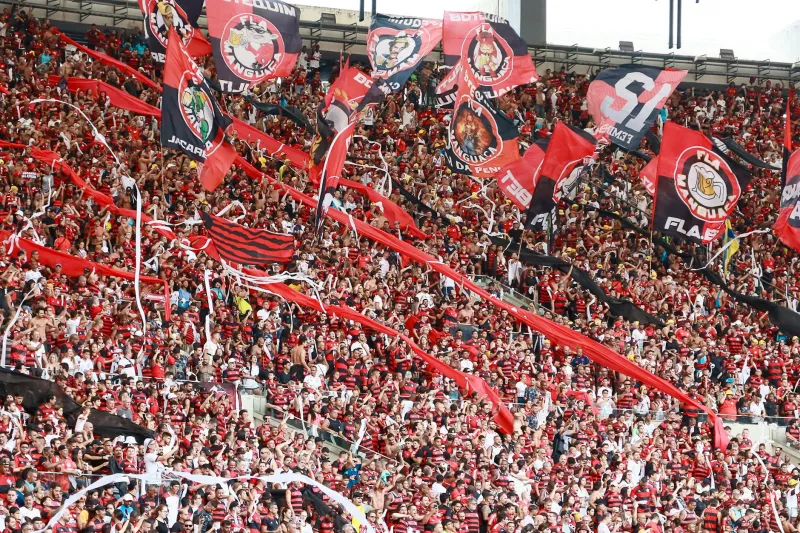
Forget everything you thought you knew about American sports fans. While we've always had our tailgaters and painted faces, something completely different is happening in stadiums and arenas across the country. From Seattle to Atlanta, passionate supporter cultures are emerging that make traditional "Let's go team!" chants sound like library whispers.
These aren't your typical fair-weather fans checking their phones between plays. These are organized communities with their own songs, their own flags, and their own rules about what it means to show up for your team. And they're changing what live sports feel like in America.
When Soccer Meets American Intensity
Start with Major League Soccer, where supporter sections have borrowed the best ideas from European football culture and cranked them up to eleven. Atlanta United's supporters don't just attend games — they create an atmosphere so electric that opposing teams have complained about the noise levels.
The Timbers Army in Portland brings smoke, drums, and coordinated chants that last for ninety minutes straight. No breaks. No timeouts. Just pure, sustained energy that makes every match feel like a championship final. These groups spend hours perfecting new songs, designing massive displays called "tifos," and organizing road trips that turn away games into home-field advantages.
What makes this remarkable isn't just the volume — it's the commitment. These supporters show up in rain, snow, and brutal heat. They learn dozens of songs by heart. They coordinate with strangers to create visual spectacles that require military-level precision.
College Basketball's Controlled Chaos
Then there's college basketball, where student sections have evolved into something approaching performance art. Duke's Cameron Crazies don't just boo opposing free throws — they research opposing players' personal lives, create elaborate costumes, and time their chants with scientific precision.
At Kansas, the Allen Fieldhouse crowd has perfected the art of the coordinated "Rock Chalk" chant that builds from a whisper to a roar over thirty seconds. Visiting players have described it as psychologically overwhelming. The students don't just want their team to win — they want opposing teams to remember this experience for the rest of their lives.
What's fascinating is how these traditions get passed down. Seniors teach freshmen not just the words to chants, but when to use them, how loud to be, and what specific gestures go with each song. It's like a master class in crowd psychology, taught by nineteen-year-olds.
The NFL's Loudest Secrets
Professional football has its own version of fan culture that goes way beyond face paint and foam fingers. Seattle's "12th Man" isn't just a marketing slogan — it's a legitimate tactical advantage that has caused opposing offenses to commit false start penalties at historically high rates.
But the real innovation is happening in places like Kansas City, where Arrowhead Stadium fans have broken actual decibel records. These aren't accidental bursts of noise — they're coordinated efforts where 70,000 people time their screaming to specific moments in the game. The result is an environment so loud that visiting quarterbacks literally cannot communicate with their teammates.
The most dedicated Chiefs fans study opposing team tendencies, learning exactly when to unleash maximum volume for maximum disruption. It's fan participation as strategic warfare.
Building Community Through Chaos
What makes these supporter cultures special isn't just the noise they create — it's the communities they build. MLS supporter groups organize charity drives, youth soccer programs, and community events that extend far beyond game day. College student sections create lifelong friendships based on shared experiences of screaming themselves hoarse for their teams.
These fans don't just attend games — they create rituals around them. Pre-game meetups, post-game celebrations, away-day traditions that turn every road trip into a bonding experience. They design their own merchandise, write their own songs, and create inside jokes that only make sense if you've been part of the group for months or years.
The Ripple Effect
The energy these fan communities create is starting to influence other sports and other venues. NBA teams are studying MLS supporter section models. Baseball stadiums are experimenting with designated "fan zones" where organized cheering is encouraged. Even traditionally quiet sports like tennis and golf are reconsidering what audience participation should look like.
Television broadcasts are adapting too, with networks learning to capture crowd noise and visual displays in ways that make home viewers feel like they're part of the experience. The most electric fan bases are becoming destination attractions in their own right — people plan vacations around experiencing these crowds.
More Than Just Cheering
What's happening in American sports venues goes beyond entertainment. These supporter cultures are creating spaces where strangers become family, where weekly rituals provide structure and meaning, where being part of something bigger than yourself doesn't require joining a church or a political movement.
They're proving that in an increasingly digital world, there's still something irreplaceable about gathering in person, making noise together, and caring deeply about something that ultimately doesn't matter much beyond the final score. Except, of course, it matters tremendously — just not in ways that show up in box scores.
The next time you're channel surfing and hear crowd noise that makes you stop and listen, chances are you're hearing one of these communities in action. They're not just fans anymore. They're the show.