Fists, Followers, and Full Arenas: How Combat Sports Took Over American Pop Culture
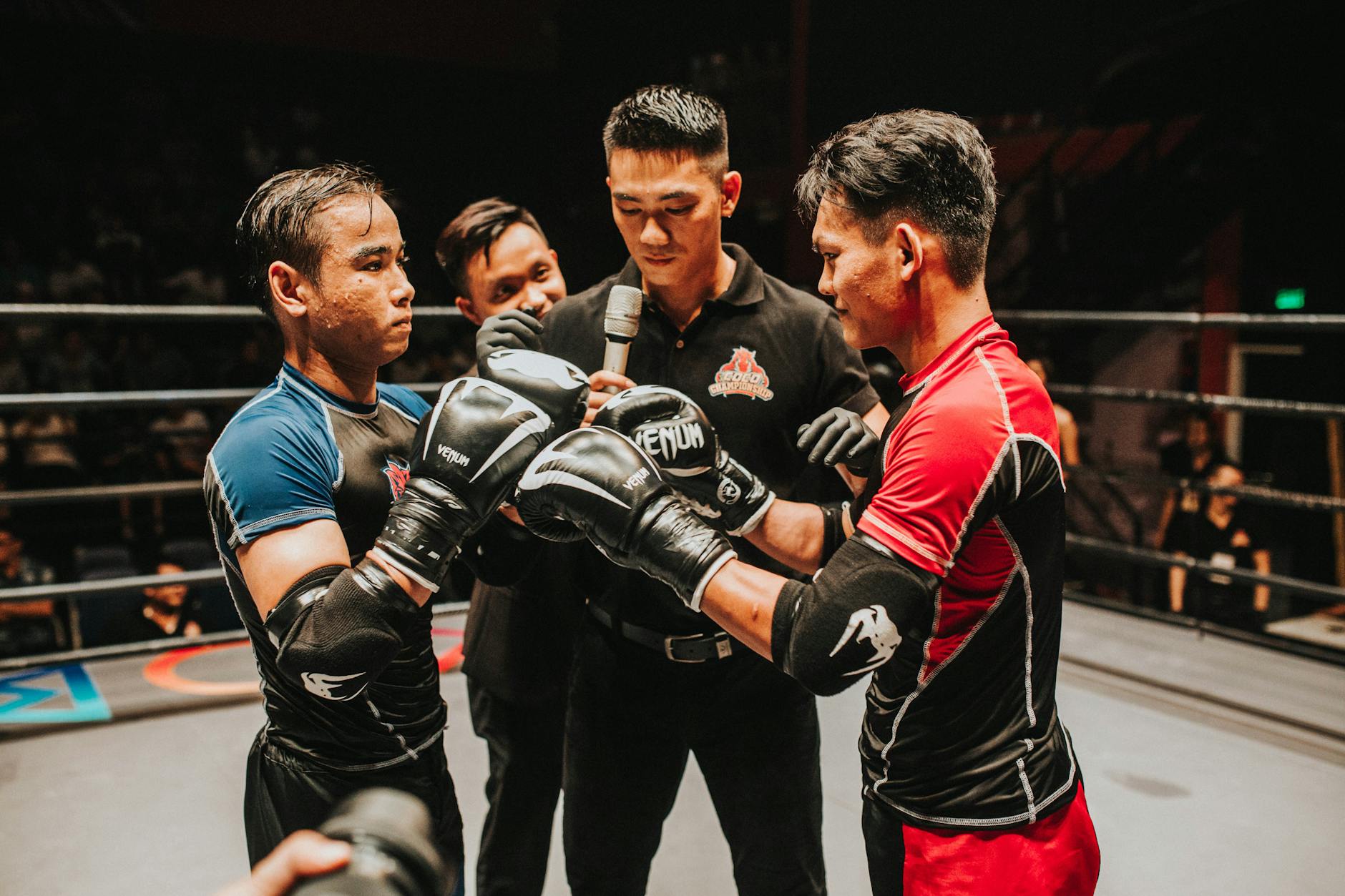
Fists, Followers, and Full Arenas: How Combat Sports Took Over American Pop Culture
Something is happening in American sports culture, and if you haven't noticed it yet, you will soon.
Boxing and MMA — two sports that have spent years fighting for mainstream relevance, occasionally losing that battle, and occasionally roaring back — are currently in the middle of something that feels genuinely different. Pay-per-view numbers are breaking records. Social media is flooded with fight content. Casual fans who couldn't name a weight class two years ago are now scheduling their Saturday nights around big fight cards. And the crossover between sports, entertainment, and internet culture has created a pipeline of interest that keeps feeding new viewers into the ecosystem.
So what exactly is going on? And is this a real cultural shift or just a very loud bubble?
The Numbers Don't Lie
Let's start with the obvious: people are watching.
The Jake Paul and Mike Perry fight in July 2024 drew massive viewership numbers on Netflix, helping cement the idea that combat sports and streaming platforms are a natural match. Canelo Álvarez fights continue to generate enormous pay-per-view buys. UFC events regularly sell out arenas across the country, and the promotion's TV deal with ESPN and its streaming platform means there is more MMA content available to American fans than at any point in history.
And then there's the Tyson-Paul event — Mike Tyson coming out of retirement to fight Jake Paul — which became one of the most-watched combat sports events in Netflix's history. Was it the most technically refined boxing match ever contested? Absolutely not. But it drew tens of millions of viewers, introduced an enormous number of casual fans to the pay-per-view and streaming model for combat sports, and proved that the genre's appeal goes way beyond the hardcore base.
When something draws that kind of audience, the industry pays attention.
The Social Media Effect
Combat sports have always had a charisma problem in the mainstream. The athletes are often incredible, the moments are genuinely dramatic, but the promotional machine has historically struggled to compete with the constant content machine of the NFL or NBA.
Social media changed the equation.
Conor McGregor essentially built the blueprint a decade ago — using trash talk, personality, and viral moments to become one of the most recognizable athletes on the planet. He made UFC feel like must-see television not just for MMA fans but for anyone who followed sports culture in general. His fights became events in the truest sense, and the blueprint he created has been adopted, modified, and amplified by a new generation of fighters.
Islam Makhachev, Alex Pereira, and Sean O'Malley are all fighters who have built genuine social media followings that extend beyond the traditional MMA audience. On the boxing side, Ryan Garcia has millions of followers and generates more conversation on Instagram and X than most NFL players. The fighters themselves are now content creators, and that means the marketing for big fights happens around the clock without anyone needing to buy a billboard.
The YouTuber-to-Fighter Pipeline
Here's the part that the purists hate but the audience loves.
Jake Paul's journey from YouTube star to professional boxer has been maddening for traditionalists and genuinely compelling for everyone else. Whatever you think about the level of competition he's faced, the business case is undeniable. Paul has brought millions of viewers to boxing who had no prior interest in the sport. His fights trend on social media. His press conferences generate more engagement than most championship bouts. And the money involved has been real enough that established promoters and broadcasters have had to take the model seriously.
KSI, Logan Paul, and the broader creator-boxing space have essentially built an entry point for younger audiences — a gateway drug to the sport that has, in some measurable way, led casual viewers to discover and invest in traditional boxing as well. You might roll your eyes at it, and that's fair. But the numbers suggest it's working.
The Fighters Who Are Actually Moving the Needle
Beyond the social media circus, there are legitimate athletic stars driving this wave.
Canelo Álvarez remains the biggest name in boxing, a fighter whose bouts feel like national events in the US and Mexico and draw massive crossover audiences. His ability to perform on the biggest stages, combined with his consistency at the top of the sport, gives boxing a genuine superstar to anchor the mainstream conversation.
In MMA, Jon Jones — even after years of controversy and time away from the sport — is back and competing for heavyweight supremacy in a way that reminds everyone why he is considered by many to be the greatest mixed martial artist of all time. Alex Pereira, with his knockout power and his improbable run through multiple weight classes, has become the kind of fighter that casual fans find themselves watching even if they can't explain exactly why.
And on the women's side, Zhang Weili and Valentina Shevchenko have helped build genuine mainstream interest in women's MMA — a category that continues to grow in both viewership and cultural visibility.
Is This Sustainable?
Here's the honest answer: it depends.
The current moment in combat sports is being driven by a perfect storm of factors — streaming accessibility, social media amplification, crossover celebrity involvement, and a handful of genuinely compelling athletes performing at a high level. Some of those factors are structural and likely to stay. Others are more fragile.
The YouTuber boxing wave will eventually cool, either because the audience moves on or because the talent pool runs thin. The streaming model for pay-per-view events is still being figured out — Netflix's entry into live combat sports is exciting but unproven at scale. And the sport's historical boom-and-bust cycles are real; boxing in particular has been here before.
But the underlying infrastructure is stronger than it's been in years. The UFC's media deal gives MMA a stable broadcast home. Boxing's streaming presence is growing. And the social media ecosystem means that fight content will always find an audience, regardless of what the traditional media landscape looks like.
The safest bet? Combat sports aren't going back to the fringes. The mainstream has found them — and for now, at least, it's sticking around.
The Biggest Show in the Room
For a long time, if you wanted to talk about the biggest events in American sports, you talked about the Super Bowl, the NBA Finals, and March Madness. Combat sports were always a little to the side — passionate, loyal, but not quite center stage.
That's shifting. The audiences are too large, the moments too viral, and the culture too invested for this to be a blip. Whether it's a championship boxing match, a UFC title fight, or yes, even a celebrity boxing card that the purists can't stand, combat sports are in the room where it happens right now.
And if the last few years are any indication, they're not leaving quietly.