The Revival of the Renaissance Athlete
Russell Wilson spent his NFL offseason taking batting practice with the New York Yankees. Steph Curry routinely shoots in the 70s on professional golf courses. Patrick Mahomes was drafted by the Detroit Tigers before choosing football. Welcome to the new era of American sports, where the best athletes aren't content mastering just one game.
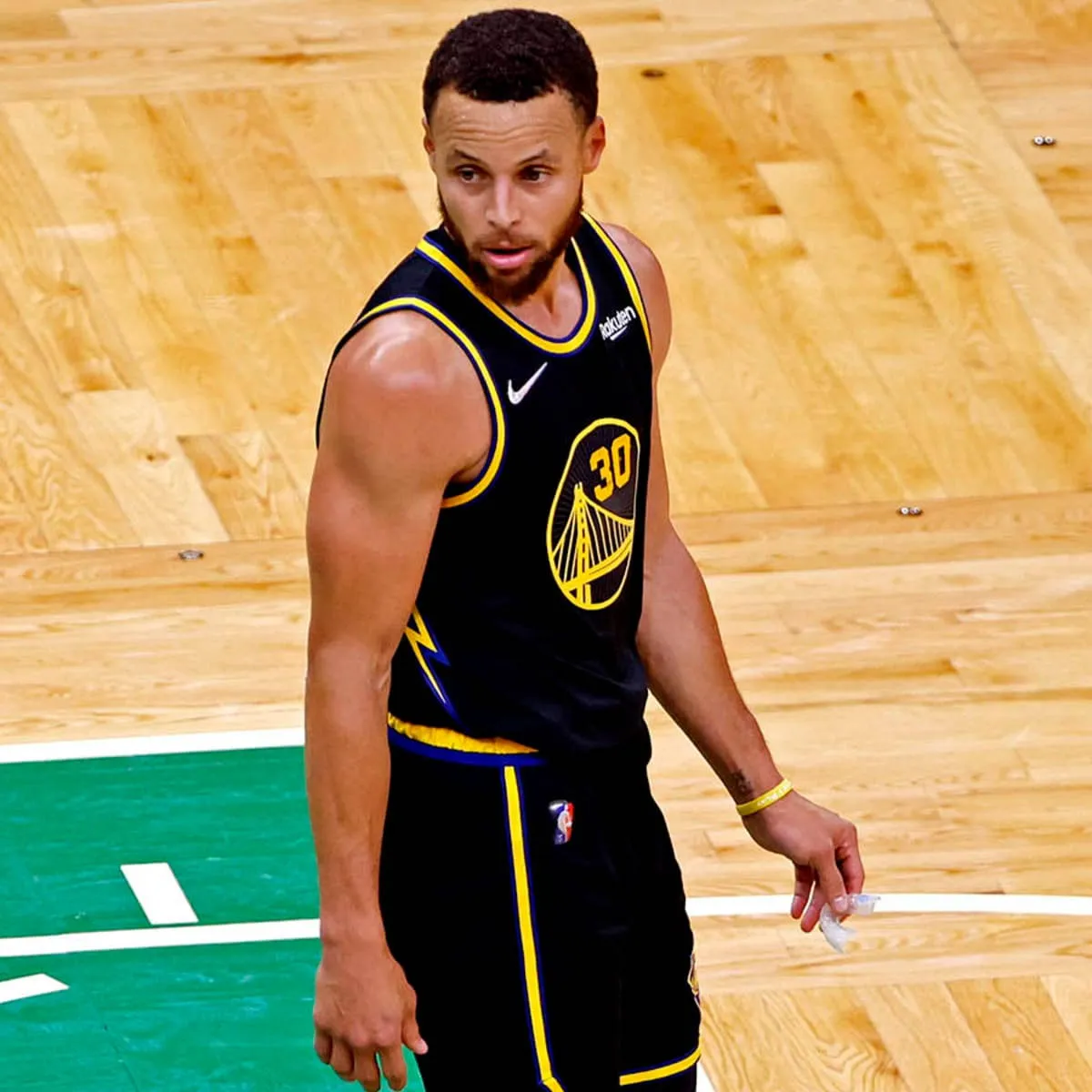 Photo: Steph Curry, via wallpapers.com
For decades, the conventional wisdom was clear: specialize early, focus intensely, and dedicate your entire being to one sport. That thinking produced incredible athletes, but it also created a generation of players who never explored their full athletic potential. Now, America's elite athletes are saying "why choose?" and the results are fascinating.
The Pioneer: Bo and Deion's Legacy Lives On
Bo Jackson and Deion Sanders didn't just play multiple sports—they dominated them simultaneously. Jackson hit home runs and scored touchdowns. Sanders intercepted passes on Sunday and stole bases on Monday. They proved that elite athleticism could translate across sports at the highest levels.
But when both careers ended due to injury and the demands of modern sports specialization, the multi-sport era seemed to end with them. Professional leagues demanded year-round commitment. Training became more scientific and sport-specific. The window for playing multiple sports at the elite level appeared to have closed forever.
That window is opening again, and today's athletes have advantages Bo and Deion never had: better training methods, advanced recovery techniques, and most importantly, more accepting leagues that see the marketing value in multi-sport stars.
The Football-Baseball Connection
The strongest multi-sport trend is happening between football and baseball, sports that seem completely different but share surprising similarities. Both require explosive power, hand-eye coordination, and the ability to perform under intense pressure.
Russell Wilson's relationship with baseball goes deeper than publicity stunts. The Seahawks quarterback was a legitimate prospect, good enough to be drafted by the Colorado Rockies out of high school and later by the Texas Rangers and Yankees. His football success hasn't diminished his baseball skills—if anything, the hand-eye coordination required for elite quarterbacking has kept his hitting sharp.
"People think it's a distraction, but baseball makes me a better quarterback," Wilson explains. "The timing, the precision, the mental approach—they complement each other perfectly."
Patrick Mahomes represents the next evolution of this trend. Drafted as a pitcher by the Detroit Tigers, Mahomes chose football but maintains that his baseball background gives him advantages other quarterbacks lack. The arm angles, the ability to throw from awkward positions, the quick release—all baseball skills that translate perfectly to NFL quarterbacking.
Basketball's Golf Obsession
While football players are swinging bats, basketball players are perfecting their golf swings. Steph Curry regularly competes in professional golf tournaments during the NBA offseason. His scores? Legitimately impressive, often shooting in the low 70s on courses that humble weekend warriors.
Curry isn't alone. NBA players have embraced golf as more than just recreation—it's become a legitimate competitive outlet. The precision required for shooting three-pointers translates surprisingly well to golf's demands for accuracy and mental focus.
"Golf is the closest thing to basketball in terms of mental pressure," Curry says. "Every shot matters, you can't take plays off, and you have to stay composed when things go wrong."
The NBA has embraced this trend, with players like Tony Finau (who played college basketball before turning to golf professionally) proving that elite athleticism can transfer between seemingly unrelated sports.
The Science Behind Multi-Sport Success
Modern sports science is revealing why multi-sport athletes often excel beyond single-sport specialists. Playing different sports develops different muscle groups, improves overall coordination, and creates more well-rounded athletes who are less prone to overuse injuries.
"Multi-sport athletes develop better spatial awareness, quicker decision-making abilities, and more diverse movement patterns," explains Dr. Amanda Rodriguez, a sports performance specialist who works with professional athletes. "These skills transfer across sports in ways we're just beginning to understand."
The mental benefits might be even more significant. Athletes who compete in multiple sports develop better stress management, improved adaptability, and enhanced problem-solving skills. When Mahomes throws a no-look pass, he's using spatial awareness developed through years of fielding ground balls at shortstop.
The New Training Revolution
What's enabling this multi-sport renaissance isn't just talent—it's training innovation. Modern athletes have access to sport-specific training that can maintain skills across multiple disciplines without the wear and tear that ended earlier multi-sport careers.
Virtual reality training allows quarterbacks to practice reading defenses without taking hits. Golf simulators let basketball players work on their swings year-round. Advanced recovery methods mean athletes can train for multiple sports without breaking down physically.
"The technology exists now to be elite in multiple sports in ways that weren't possible 20 years ago," says performance coach Mike Chen, who works with athletes across different sports. "You can maintain muscle memory, practice techniques, and stay sharp without the physical demands that used to make multi-sport careers impossible."
The Marketing Machine
Professional leagues have discovered that multi-sport athletes are marketing gold mines. When Russell Wilson takes batting practice, it generates headlines across both NFL and MLB media. When Steph Curry competes in golf tournaments, it brings basketball fans to golf and golf fans to basketball.
This cross-pollination benefits everyone. Sports leagues expand their fan bases. Athletes build broader personal brands. Fans get to see their heroes in new contexts, which humanizes superstars and creates deeper connections.
"Multi-sport athletes are content creators' dreams," explains sports marketing executive Lisa Park. "They generate storylines across multiple sports, create unique content opportunities, and appeal to broader audiences. It's a win-win for everyone involved."
The Failure Stories (And Why They Matter)
Not every multi-sport attempt succeeds, and that's part of what makes the successful ones so impressive. Michael Jordan's baseball career reminded everyone that elite athleticism doesn't guarantee success across all sports. Tim Tebow's baseball experiment showed that even exceptional football players can struggle with baseball's unique demands.
But these "failures" are actually valuable. They demonstrate that multi-sport success requires more than just athleticism—it requires sport-specific skills, mental adaptability, and often, timing. Jordan's baseball career might not have been successful, but it showed his competitiveness and willingness to fail publicly in pursuit of new challenges.
The Next Generation
Today's young athletes are watching these multi-sport experiments with great interest. High school and college athletes are increasingly resistant to early specialization, preferring to develop skills across multiple sports before choosing their primary focus.
This trend could reshape American sports development. Instead of forcing 12-year-olds to choose between football and baseball, coaches and parents are encouraging multi-sport participation deeper into athletes' careers.
The Future of Athletic Excellence
The multi-sport movement represents more than just athletes exploring new challenges—it represents a fundamental shift in how we think about athletic excellence. Instead of narrow specialization, we're moving toward athletic versatility. Instead of single-sport mastery, we're celebrating multi-sport competence.
This doesn't mean every athlete should play multiple sports professionally. But it does suggest that the athletes who can succeed across multiple sports might represent the highest level of athletic achievement possible.
When Russell Wilson steps into the batter's box or Steph Curry lines up a crucial putt, they're not just playing games—they're redefining what it means to be an elite American athlete. They're proving that in the modern sports world, the best athletes aren't just specialists—they're renaissance competitors who refuse to be limited by traditional boundaries.
The age of the multi-sport professional isn't just making a comeback—it's evolving into something even more impressive than what Bo and Deion accomplished decades ago.