The Commissioner's Office
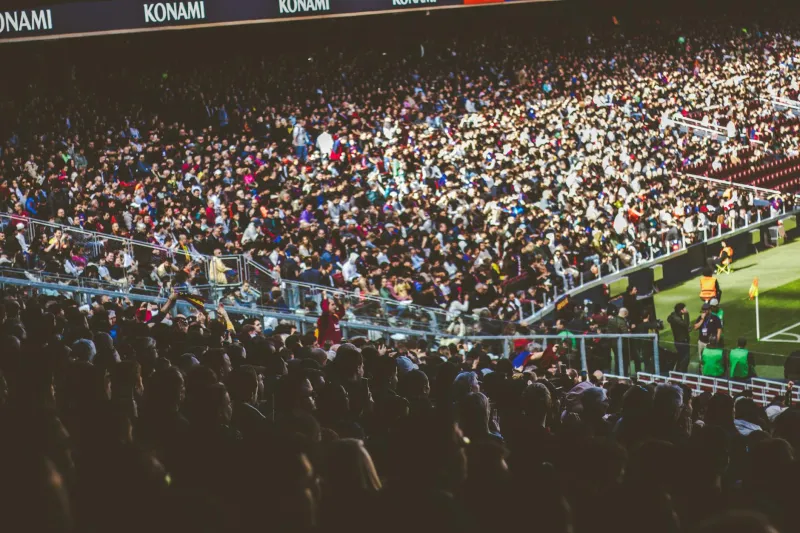
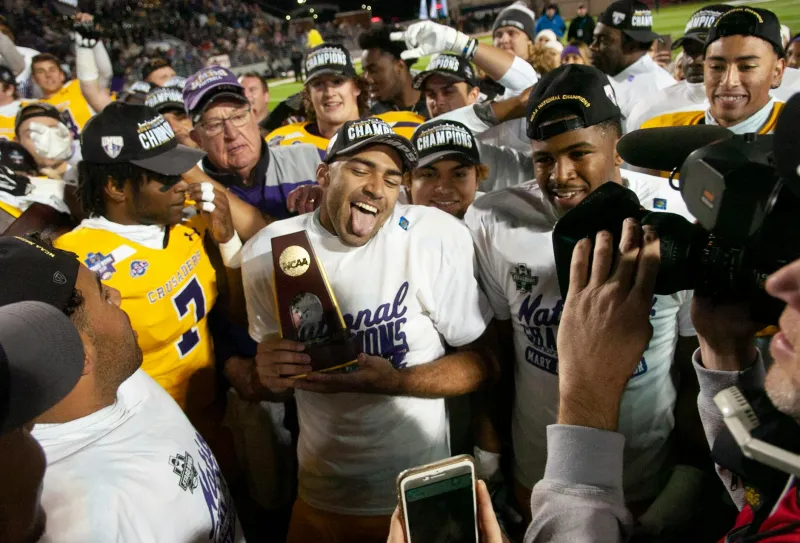
Every fall, something magical happens in offices, group chats, and sports bars across America. Grown adults gather around laptops and smartphones, arguing passionately about whether a backup running back from Jacksonville is worth a waiver claim. Welcome to fantasy football draft season, where accountants become general managers and your quiet colleague from HR suddenly knows more about Red Zone efficiency than most ESPN analysts.
What started as a nerdy experiment among a group of Oakland Raiders executives in the 1960s has evolved into a $7 billion industry that fundamentally changed how Americans consume sports. Fantasy sports didn't just create a new form of entertainment — they rewired our sports brains entirely.
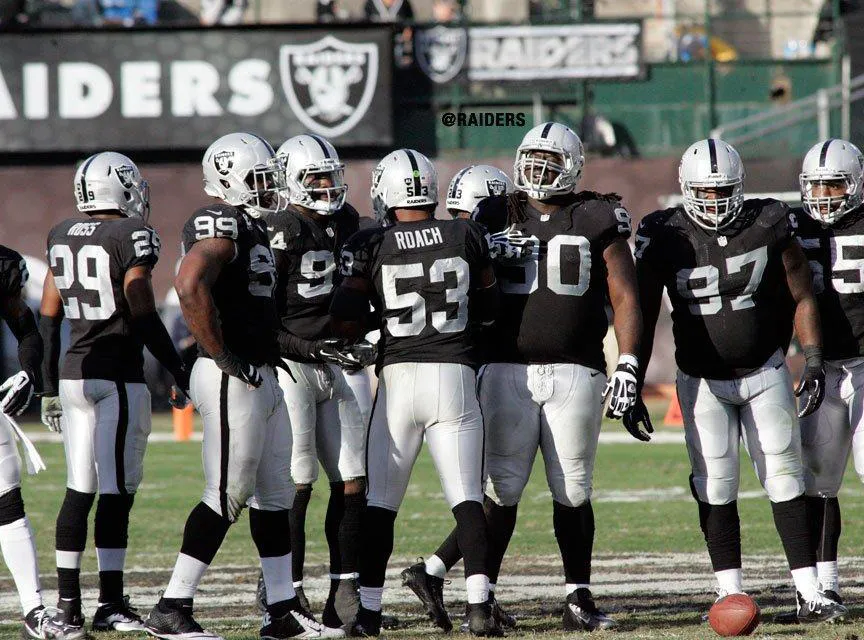 Photo: Oakland Raiders, via cdn10.phillymag.com
From Casual to Obsessed in 12 Weeks
Remember when you used to just watch your favorite team on Sundays? Those days are gone. Now you're checking your phone every five minutes during games, not to see if your team scored, but to see if your flex player got targeted in the red zone.
The transformation is real and it's dramatic. Sarah Chen, a marketing manager from Phoenix, perfectly captures the evolution: "I used to watch maybe three Cardinals games a year. Now I'm watching RedZone for seven hours straight, following players on teams I couldn't even locate on a map, because my fantasy season depends on whether some third-string receiver in Cleveland gets garbage time touches."
 Photo: Sarah Chen, via img.discogs.com
This shift has created an entirely new species of sports fan — the fantasy player who cares more about individual statistics than team wins and losses. They're the ones cheering for opposing players against their favorite team, celebrating when their quarterback throws an interception because their defense got points for the pick.
The Algorithm Generation
Fantasy sports have turned casual fans into data scientists. Your buddy who couldn't balance his checkbook is now running complex projections on weather patterns affecting passing games. Your sister who used to ask "who's winning?" is now analyzing snap counts and target shares like a Wall Street trader.
The depth of research has become absurd in the best possible way. Fantasy players study injury reports with medical school intensity. They know backup offensive linemen by name. They track practice participation reports like CIA analysts monitoring foreign intelligence.
"I spend more time researching my fantasy lineup than I did on my master's thesis," admits Mike Rodriguez, a software engineer who runs three fantasy leagues. "I have spreadsheets tracking red zone looks, weather forecasts for outdoor stadiums, and a color-coded system for rating matchups. My wife thinks I've lost my mind."
The Social Experiment
But fantasy sports are about more than just statistics and strategy. They've become the social glue that holds friend groups together across distance and time. College buddies scattered across the country maintain their bonds through trash talk and trade negotiations. Family members who rarely speak suddenly have weekly check-ins about waiver wire pickups.
The group chat dynamics alone deserve academic study. Fantasy leagues have their own ecosystem of personalities: the guy who never sets his lineup, the obsessive trader who sends five proposals a week, the statistical savant who speaks only in advanced metrics, and the lucky charm who wins despite never watching games.
"Our league has been going for 15 years," says Jennifer Walsh, whose college friends still gather annually for their live draft. "We've been through marriages, divorces, kids, job changes, cross-country moves. But every September, we're all back in that same room arguing about auction values and keeper rules. It's our constant."
The Media Revolution
Fantasy sports didn't just change how fans watch games — they created an entire media ecosystem. Podcasts dedicated to analyzing third-down back usage. YouTube channels breaking down cornerback matchups. Apps that send push notifications about practice squad elevations.
ESPN's Fantasy Football marathon broadcast has become appointment television. The Fantasy Football Now podcast gets downloaded millions of times per week. Matthew Berry became a household name by talking about fantasy football with the passion most people reserve for their actual families.
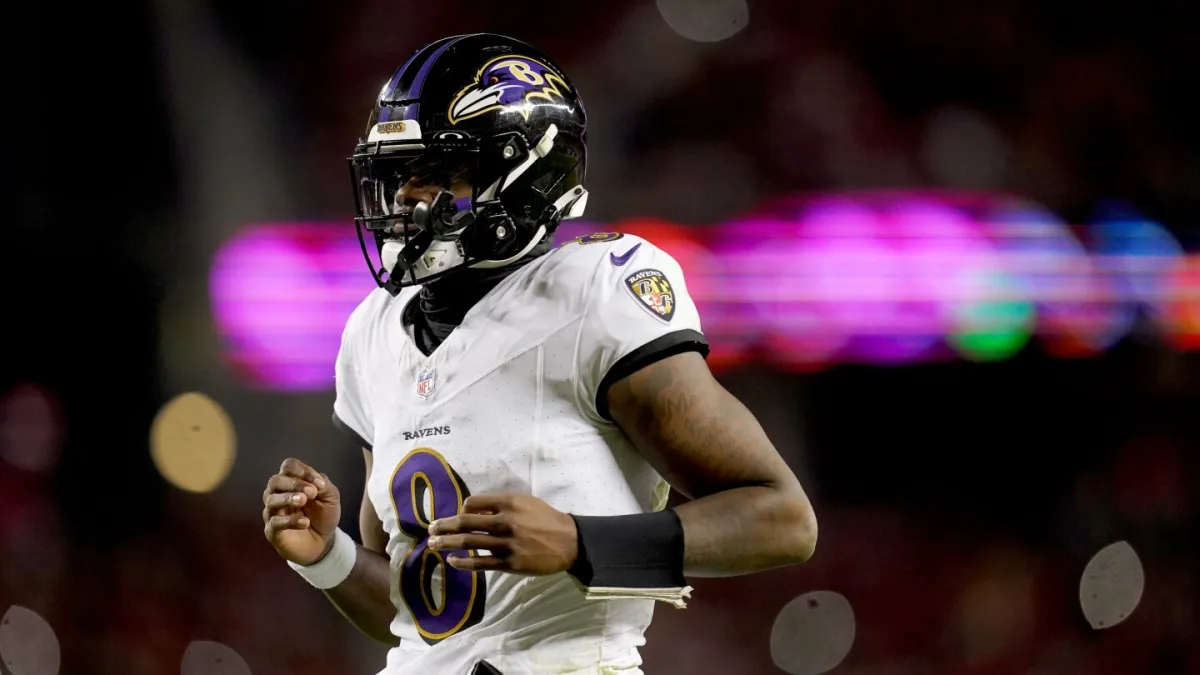 Photo: Matthew Berry, via nbcsports.brightspotcdn.com
This content explosion has made sports media more accessible and democratic. Fans don't need journalism degrees to start fantasy podcasts or build Twitter followings by sharing waiver wire advice. The barrier to entry for sports analysis has never been lower.
Beyond Football
While fantasy football remains king, the concept has spread to every sport imaginable. Fantasy basketball creates year-round engagement with the NBA. Daily fantasy baseball has fans tracking pitching matchups and park factors with scientific precision. Fantasy hockey turns casual viewers into experts on power play units and goalie tandems.
Even individual sports have gotten the fantasy treatment. Fantasy golf, fantasy racing, fantasy MMA — if there are statistics to track and competitions to predict, someone has created a fantasy version.
The Dark Side of Paradise
Of course, this obsession comes with costs. Relationships have been strained over disputed trades. Thanksgiving dinners have been ruined by arguments over scoring systems. The phrase "fantasy football widow" exists for a reason.
The time investment can be staggering. Fantasy players spend hours each week researching lineups, reading injury reports, and analyzing matchups. Some estimates suggest dedicated fantasy players spend more time managing their fake teams than many people spend on actual hobbies.
The Future of Fandom
As sports betting becomes legal in more states, the line between fantasy sports and gambling continues to blur. Daily fantasy sports already operate in that gray area, where skill meets chance and small investments can yield significant returns.
What's clear is that fantasy sports have permanently altered the American sports landscape. They've created more engaged fans, driven television ratings, and spawned an entire industry of content and analysis. They've turned passive viewers into active participants and made everyone an expert on salary cap management.
So the next time someone dismisses fantasy sports as "just a game," remind them that this particular game has fundamentally changed how 50 million Americans experience sports. Not bad for something that started with a few guys in Oakland trying to make football season more interesting.
Now, if you'll excuse me, I need to check if my kicker practiced today.