From the Locker Room to the Newsroom: How Ex-Athletes Are Becoming America's Favorite Sports Voices

The Revolution Started in a Garage
Ten years ago, if you wanted to hear from your favorite retired athlete, you had to hope they'd land a spot on ESPN or Fox Sports. Today, they're building their own media companies from scratch, and fans can't get enough.
Take Shannon Sharpe and Chad Johnson. Their "Nightcap" show started as a simple conversation between two NFL legends and has exploded into one of the most-watched sports talk shows in America. No corporate overlords, no scripted talking points – just pure, unfiltered perspective from guys who lived the game at its highest level.
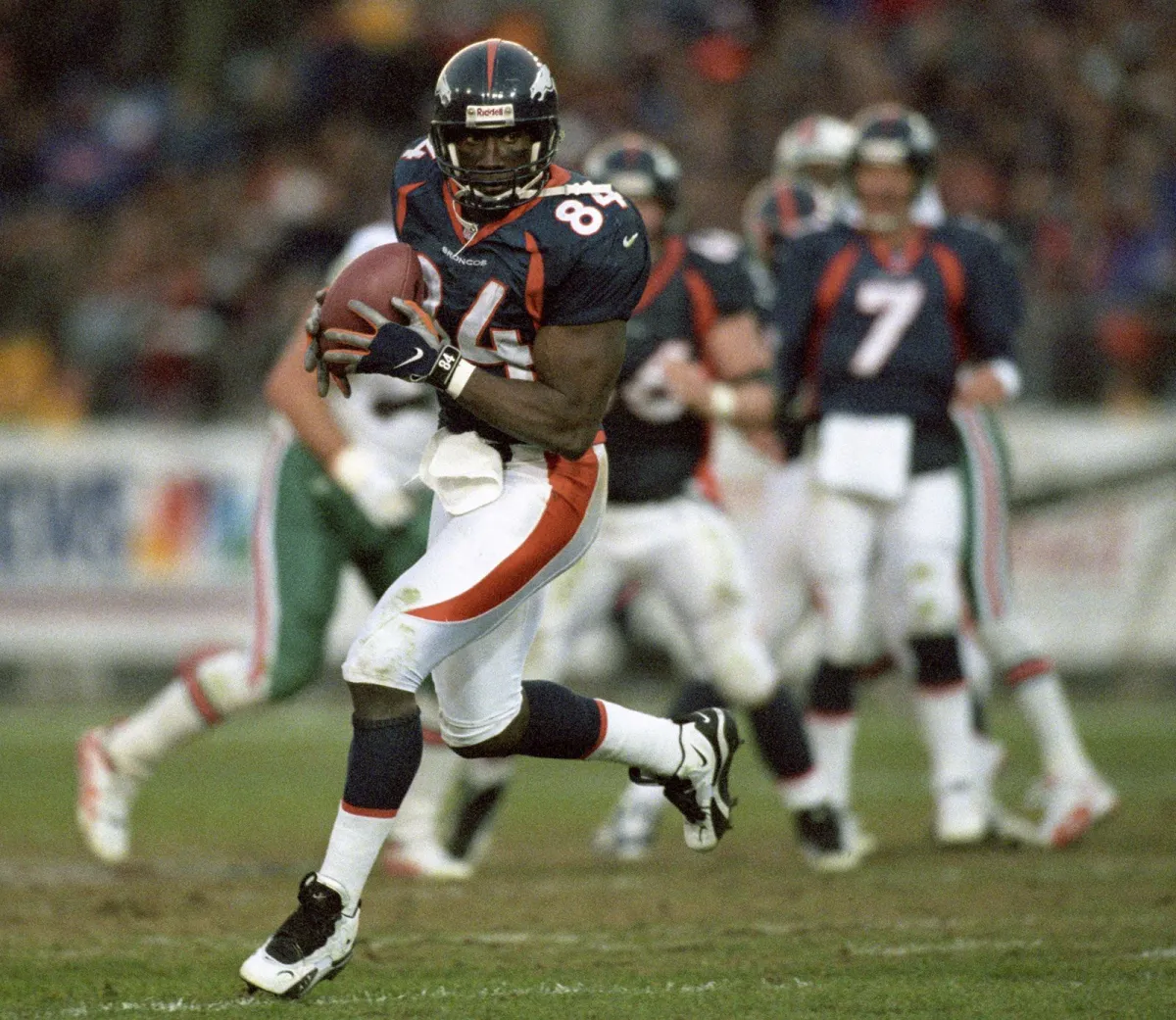 Photo: Shannon Sharpe, via cdn.britannica.com
Why Fans Trust the Players Over the Pundits
There's something different about hearing Tom Brady break down a quarterback's decision-making versus listening to a studio analyst who never took a snap in the NFL. When Brady explains why a certain play call was brilliant or boneheaded, fans listen because he's been in that exact situation with everything on the line.
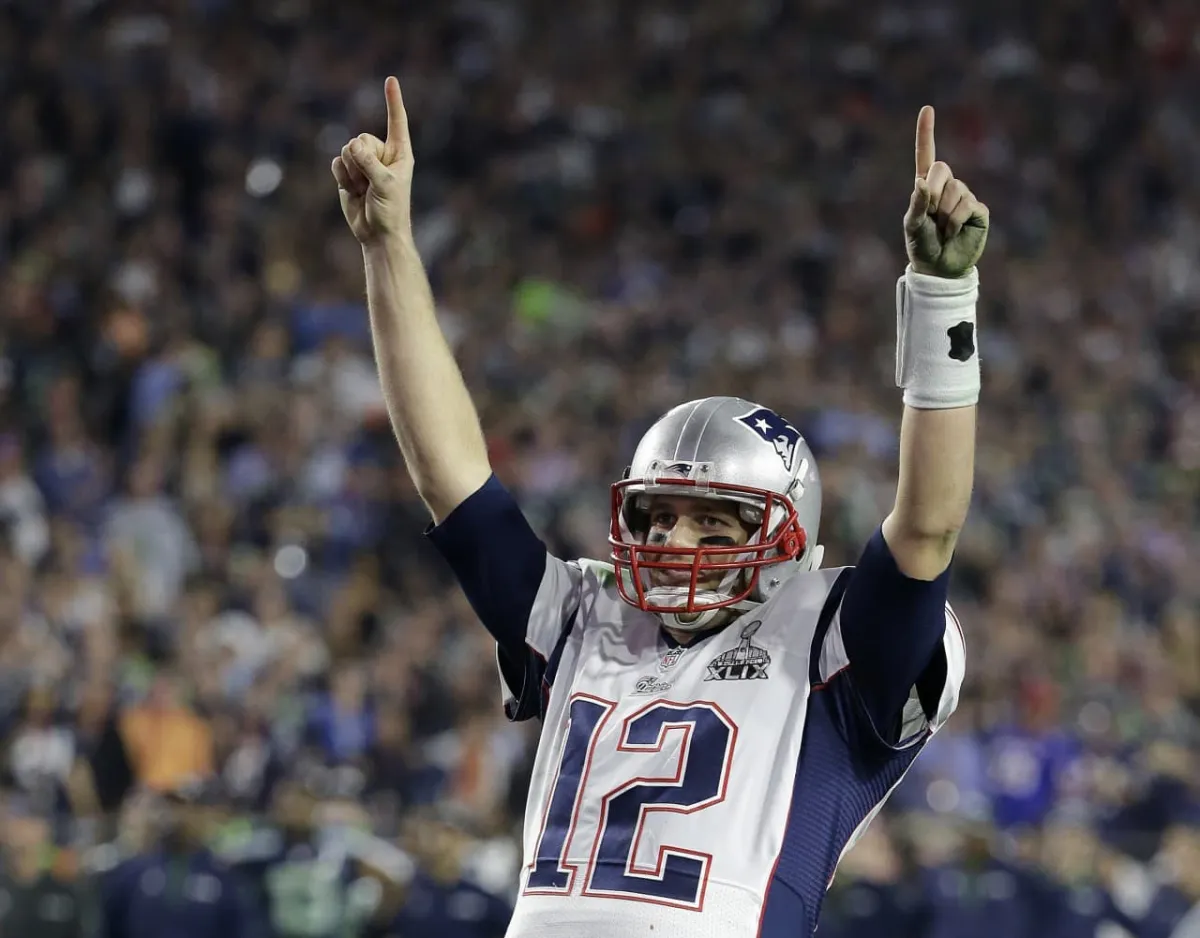 Photo: Tom Brady, via media.wbur.org
This authenticity gap has created a massive opportunity for retired athletes. Fans are hungry for insider knowledge, and who better to provide it than the people who actually lived these moments?
Draymond Green figured this out early. His podcast "The Draymond Green Show" gives fans access to real-time thoughts from an active NBA champion. When he talks about what it's like to guard LeBron James or why certain teams have championship DNA, it hits different because he's not speculating – he's sharing lived experience.
Building Media Empires, One Episode at a Time
The numbers tell the story. Pat McAfee went from NFL punter to media mogul, building a show that ESPN eventually paid $85 million to acquire. His success opened eyes across the sports world – athletes realized they didn't need traditional media companies to build massive audiences.
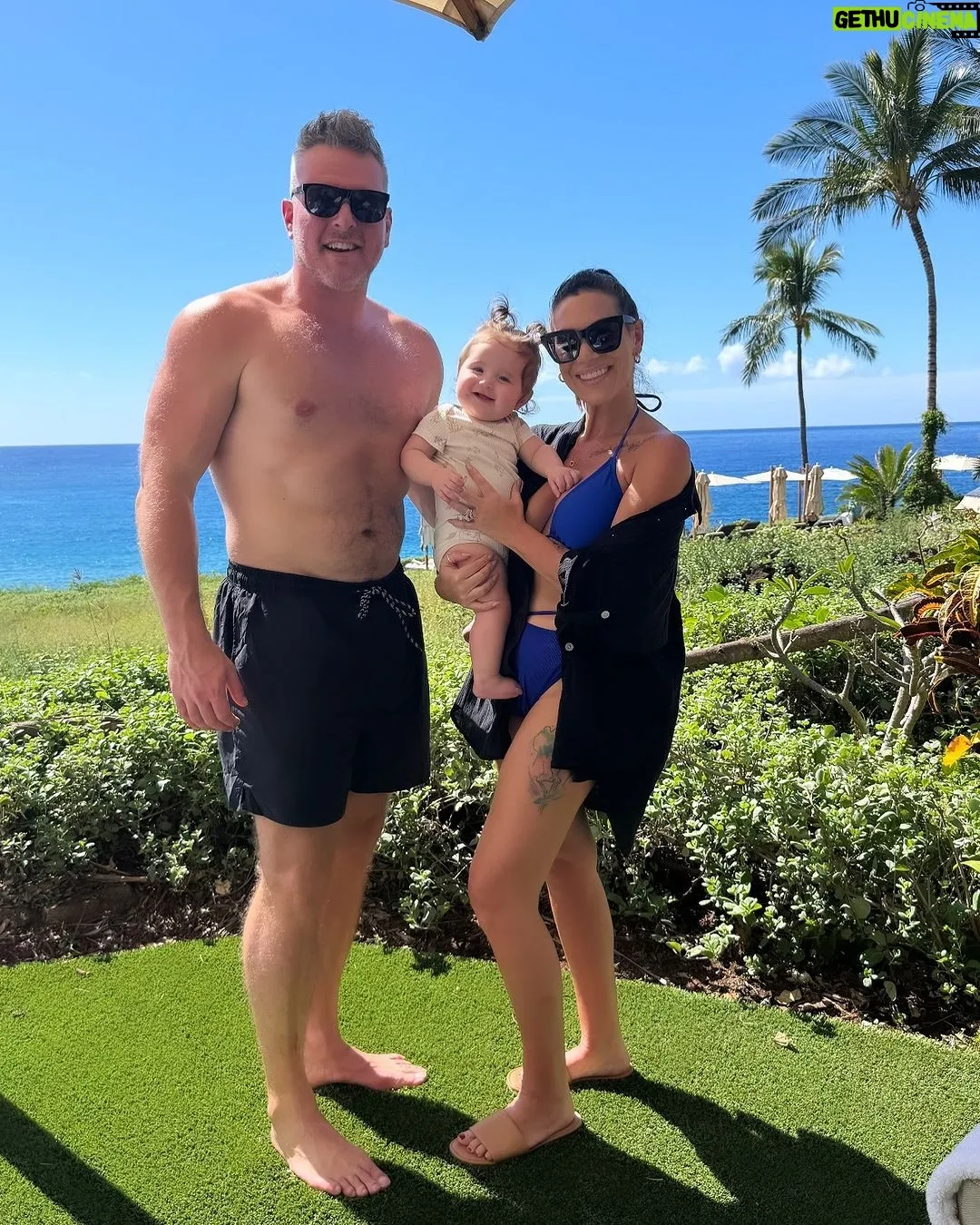 Photo: Pat McAfee, via www.gethucinema.com
Now everyone's getting in on the action. Shaquille O'Neal has multiple shows and partnerships. Charles Barkley remains one of basketball's most quotable voices. Even lesser-known former players are finding their niches, building loyal followings by focusing on specific sports or teams.
The beauty of this new landscape is specialization. Former MLB catchers can dive deep into pitch framing and game-calling strategies. Retired offensive linemen can break down blocking schemes in ways that make casual fans feel like football geniuses.
Netflix and Chill... With Your Favorite Athletes
Streaming platforms have created another avenue for athlete-driven content. Netflix's sports documentaries often feature heavy involvement from the athletes themselves, giving them creative control over their own stories.
LeBron James has leveraged his SpringHill Entertainment company to produce content across multiple platforms. His "The Shop" series on HBO gives fans a barbershop-style conversation with athletes and celebrities, creating intimate moments that traditional sports coverage can't match.
The Old Guard Fights Back
Traditional sports media isn't going down without a fight. Networks are adapting by giving former players more prominent roles and creative freedom. ESPN's "ManningCast" during Monday Night Football shows how established broadcasters can innovate by letting personalities like Peyton and Eli Manning be themselves.
But the damage might already be done. Younger fans increasingly prefer the unpolished, authentic voices of former players over the polished presentations of traditional broadcasters.
What This Means for Sports Fans
The result is a sports media landscape that's more diverse, more authentic, and more entertaining than ever before. Fans can choose their preferred style – whether that's the analytical deep dives of former coaches, the personality-driven shows of charismatic former players, or the insider access that only comes from people who've been in championship locker rooms.
This shift represents something bigger than just media trends. It's athletes taking control of their own narratives and building direct relationships with fans. In a world where traditional gatekeepers are losing power, the people who actually played the games are becoming the voices fans trust most.
And honestly? Sports coverage is better for it. When the people telling the stories are the same ones who lived them, everyone wins.