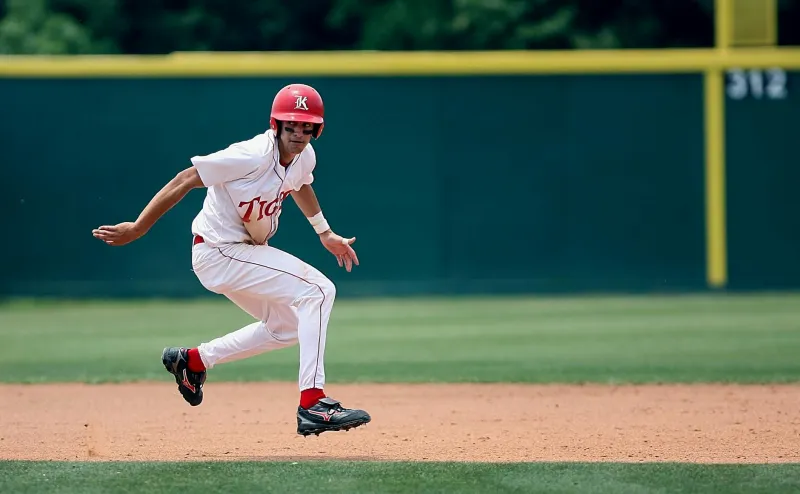
The stadium lights feel brighter. The crowd noise hits different. Two outs, bottom of the ninth, and everything hangs on one swing of the bat. Most players would rather be anywhere else. But there's a special breed of hitter who lives for these moments—the ones who step into the box with ice water running through their veins.
When the Lights Get Brightest
Freddie Freeman doesn't just hit walk-off home runs; he collects them like vintage baseball cards. Since 2019, Freeman has delivered more game-ending hits than any player in the majors, turning what should be career-defining pressure into something that looks almost casual. Watch him in these moments, and you'll notice something different—his pre-pitch routine stays exactly the same, whether it's the first inning of a Tuesday afternoon game or the bottom of the ninth in October.
"The situation doesn't change my approach," Freeman said after his latest heroic moment. "I'm still trying to see the ball and hit it hard." It sounds simple, but that mindset separates the clutch performers from everyone else.
Then there's Jose Altuve, who seems to grow taller with every high-leverage at-bat. The Astros second baseman has a knack for finding the biggest moments and making them his own. His walk-off home run against the Yankees in the 2019 ALCS wasn't just a game-winner—it was a statement that some players are built differently when everything's on the line.
The Science of Clutch
What makes these players different? Sports psychologists point to a combination of preparation, confidence, and something harder to measure—the ability to slow down time when everyone else is speeding up.
Mookie Betts, now terrorizing National League pitchers with the Dodgers, has always approached high-pressure situations like a chess master. He studies opposing pitchers obsessively, memorizing their tendencies in crucial spots. When the ninth inning arrives, Betts isn't guessing—he's executing a plan he's been developing all game long.
"I know what's coming before they throw it," Betts explained after a recent walk-off double. "That's not luck. That's homework."
The numbers back up what our eyes tell us. Players like Freeman, Altuve, and Betts don't just get lucky in clutch situations—they consistently perform better when the stakes are highest. Freeman's batting average jumps nearly 50 points in late-inning, high-leverage situations compared to his overall numbers.
The Mental Game
But clutch hitting isn't just about preparation—it's about embracing the chaos. Vladimir Guerrero Jr. talks about feeding off the energy of 50,000 screaming fans rather than being intimidated by it. The Blue Jays slugger actually seeks out high-pressure situations, volunteering to hit in crucial spots during batting practice.
"I want the crowd to be loud," Guerrero said. "I want them to be nervous. When they're nervous, I know something special is about to happen."
That confidence isn't manufactured—it's earned through countless hours of practice and mental preparation. These players don't just work on their swings; they work on their minds, training themselves to stay calm when everyone else is losing their composure.
The New Generation
Young stars like Ronald Acuña Jr. and Juan Soto are already showing they belong in this exclusive club. Acuña's walk-off grand slam against the Dodgers last season wasn't just a highlight reel moment—it was an announcement that the next generation of clutch performers has arrived.
Soto, meanwhile, has been delivering in pressure situations since he was 19 years old. His approach is almost mathematical: see the ball, identify the pitch, execute the swing. No wasted motion, no overthinking, just pure baseball instinct when it matters most.
The Theater of It All
What makes these moments so special isn't just the individual performance—it's the theater of baseball itself. Unlike basketball or football, where teams can control the clock, baseball gives every at-bat the potential to be the last. That uncertainty, that sudden-death drama, is what separates a walk-off hit from every other highlight.
When Freeman connects on a 2-2 fastball in the bottom of the ninth, he's not just ending a game—he's creating a memory that will last forever for everyone in that stadium. The fans who stayed until the end, the teammates who believed, the opposing pitcher who just learned what clutch really means.
Built for the Moment
These players understand something fundamental about pressure: it's not something to survive, it's something to use. They don't just tolerate the ninth-inning spotlight—they demand it. They're the ones asking their managers to hit them fourth, the ones who want the ball when the game's on the line.
In a sport obsessed with analytics and percentages, clutch hitting remains beautifully human. It's about heart, preparation, and the rare ability to perform your best when performing your worst would hurt the most.
The next time you're watching a game that goes to the ninth inning tied, pay attention to who's coming to the plate. Some players are just happy to be there. Others are exactly where they've always wanted to be—in the spotlight, with everything on the line, ready to create magic.