When the World Is Watching
There's a moment in every championship game, every playoff series, every do-or-die situation where time seems to slow down. The crowd noise fades. The pressure becomes almost physical. And while most athletes feel their hearts racing, there's a special breed that feels their pulse actually slow down.
These are the clutch performers — the ones who seem to have ice water running through their veins when everything is on the line.
Take Kobe Bryant's performance in Game 7 of the 2010 NBA Finals. With 1:06 left and the Lakers trailing by one, most players would be feeling the weight of 20,000 screaming Celtics fans. Instead, Kobe calmly knocked down a fadeaway jumper that essentially sealed his fifth championship. Later, he'd describe the moment as "peaceful."
The Clutch Gene: Myth or Science?
Sports psychologists have spent decades trying to crack the code of clutch performance. What they've found isn't some mystical "clutch gene" but rather a set of mental habits that separate the legends from everyone else.
Tom Brady, who engineered 31 fourth-quarter comebacks during his NFL career, has always credited his success to preparation and routine. "I don't feel pressure because I've already lived this moment a thousand times in practice," Brady once explained. "By the time we get to the game, it's just muscle memory."
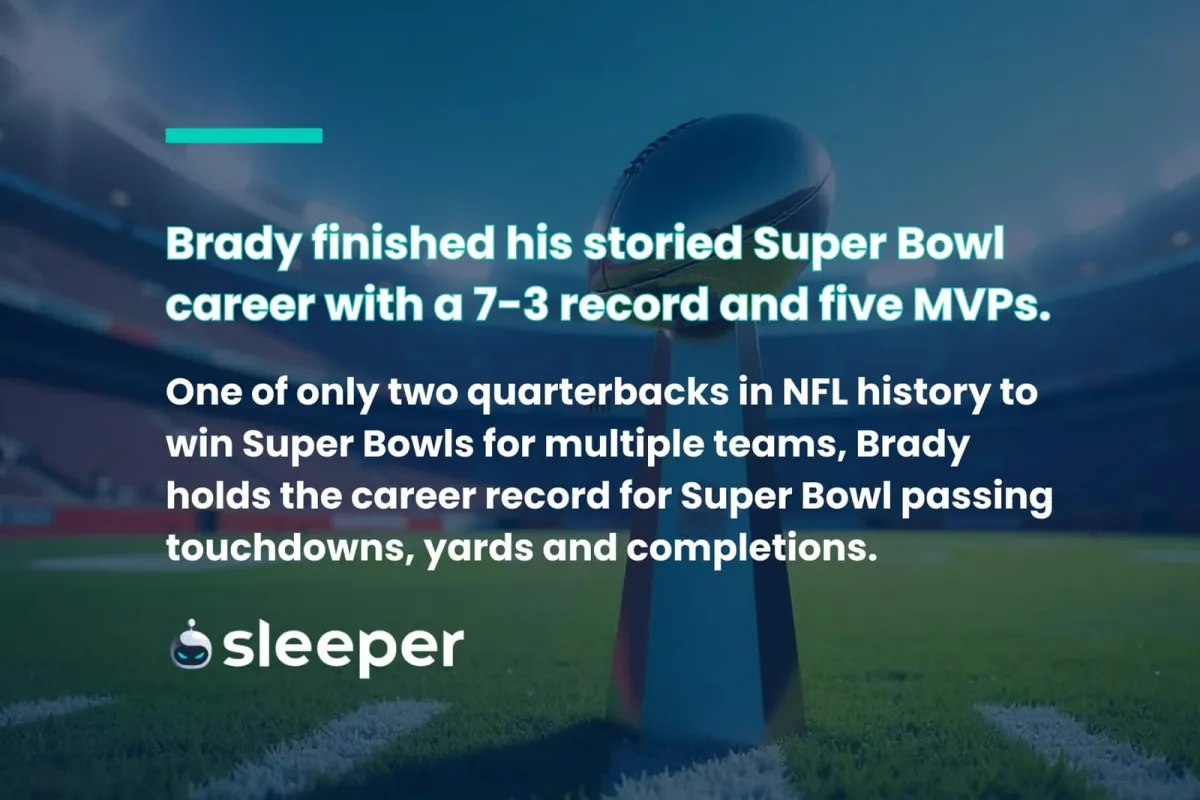 Photo: Tom Brady, via sleeper.com
This obsessive preparation shows up across every sport. Derek Jeter famously took the same number of practice swings before every at-bat — whether it was spring training or Game 7 of the World Series. Wayne Gretzky would visualize every possible scenario before stepping on the ice. Michael Jordan turned pre-game rituals into an art form.
The Pressure Cooker Effect
What's fascinating is how these athletes actually seem to get better as the stakes get higher. It's not just about maintaining their level — they elevate it.
LeBron James shot 48% from the field in elimination games throughout his career, compared to 46% in regular season games. Patrick Mahomes has thrown for over 4,000 yards in each of his playoff runs, with a touchdown-to-interception ratio that actually improves in January.
Serena Williams won 23 Grand Slam titles partly because she seemed to find another gear in the biggest moments. Her serve velocity would increase in crucial points. Her focus would sharpen. Where others crumbled, she crystallized.
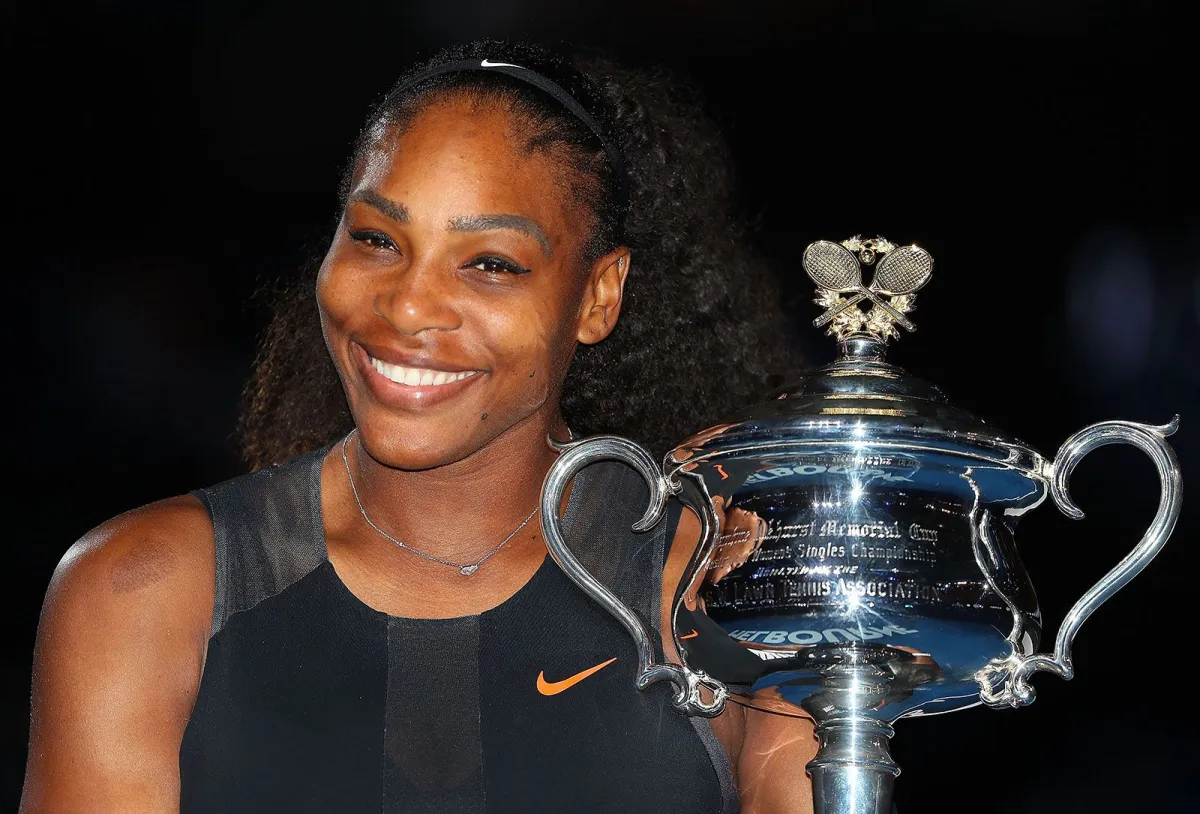 Photo: Serena Williams, via cdn.britannica.com
The Mental Toolkit
So what exactly are these athletes doing differently when the pressure mounts?
First, they narrow their focus. Instead of thinking about the magnitude of the moment, they zoom in on the smallest details. Steph Curry doesn't think about the championship when he's shooting a game-winner — he focuses on his follow-through and the back rim.
Second, they embrace the moment rather than fighting it. While most athletes try to calm their nerves, clutch performers actually feed off the energy. "I want to be in these situations," Damian Lillard has said about his legendary playoff buzzer-beaters. "This is what I live for."
Third, they have selective memory. Great clutch performers remember their successes vividly but quickly forget their failures. This isn't delusion — it's strategic confidence building.
Born or Made?
The question that fascinates fans is whether clutch performers are born with this ability or develop it over time. The answer seems to be both.
Some athletes do appear naturally wired for high-pressure situations. They have lower baseline anxiety and actually perform better with increased arousal. But even naturally calm competitors still need to develop the mental skills and game experience to translate that composure into clutch performance.
Take Kawhi Leonard's incredible 2019 playoff run with Toronto. His game-winner against Philadelphia — the shot that bounced four times on the rim before dropping — came after years of developing his mental approach. "I just try to stay in the moment," Leonard said afterward. "I don't think about what happens if I miss."
The New Generation
Today's young stars are bringing their own approach to clutch moments. Ja Morant treats pressure situations like video games. Jayson Tatum credits meditation and mindfulness training. Luka Dončić seems to thrive on the chaos of high-stakes basketball.
What unites them all is an understanding that clutch performance isn't magic — it's preparation meeting opportunity. It's thousands of hours of practice distilled into a single moment. It's the ability to find calm in the storm and turn pressure into pure performance.
The next time you watch a game-winning shot or a championship-clinching play, remember: you're not just watching athletic ability. You're watching the culmination of a mental approach that separates good athletes from legends. And that might be the most impressive performance of all.