In sports, most trades are footnotes. Player A goes to Team B for draft picks and salary relief. Everyone moves on.
Then there are the trades that break the internet, divide fan bases, and fundamentally alter the trajectory of entire franchises. These aren't just player swaps—they're seismic events that reshape competitive landscapes and create storylines that last for decades.
Let's dive into the deals that didn't just move players—they moved the needle on everything that came after.
The Trade That Built a Dynasty: Herschel Walker to Minnesota
October 12, 1989. The Dallas Cowboys, mired in mediocrity, traded running back Herschel Walker to the Minnesota Vikings for what seemed like half of Minnesota's roster and draft board—five players and six draft picks, including three first-rounders.
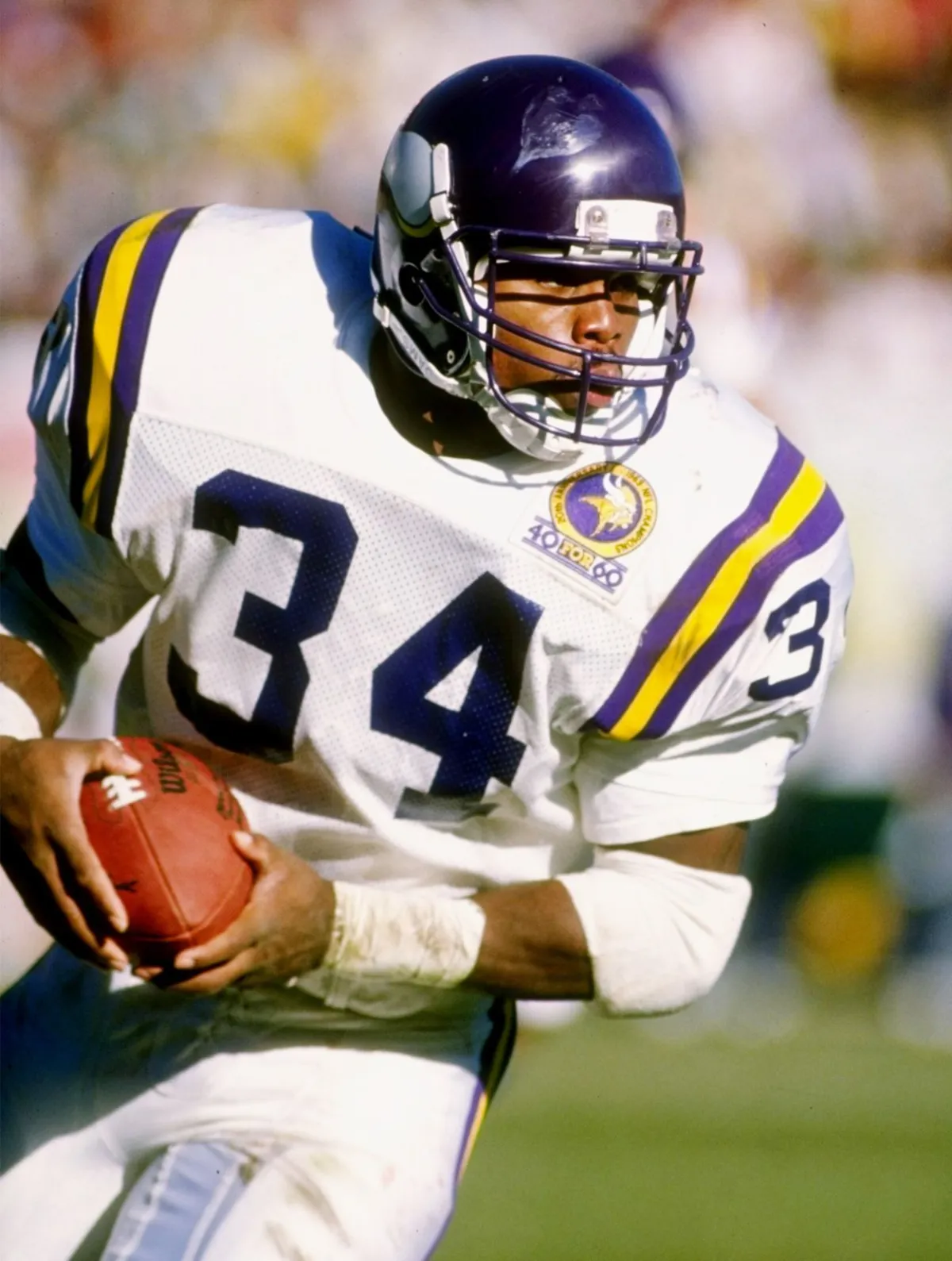 Photo: Herschel Walker, via cdn.britannica.com
At the time, it looked like Minnesota got the better end. Walker was a superstar, a Heisman winner who could single-handedly change an offense. Dallas got a bunch of maybes and unknowns.
Except those maybes turned into Emmitt Smith, Russell Maryland, Kevin Smith, and Darren Woodson. The Cowboys used the Walker trade assets to build the foundation of a team that would win three Super Bowls in four years. Meanwhile, Walker's impact in Minnesota was minimal, and the Vikings gave up the pieces that could have built their own dynasty.
This wasn't just a trade—it was a masterclass in asset management that changed how NFL front offices think about building rosters. The ripple effects are still being felt today every time a team trades a star for multiple draft picks.
The Decision That Changed the NBA: LeBron to Miami
Technically a free agency signing, not a trade, but LeBron James's move to Miami in 2010 fundamentally altered professional basketball in ways we're still processing.
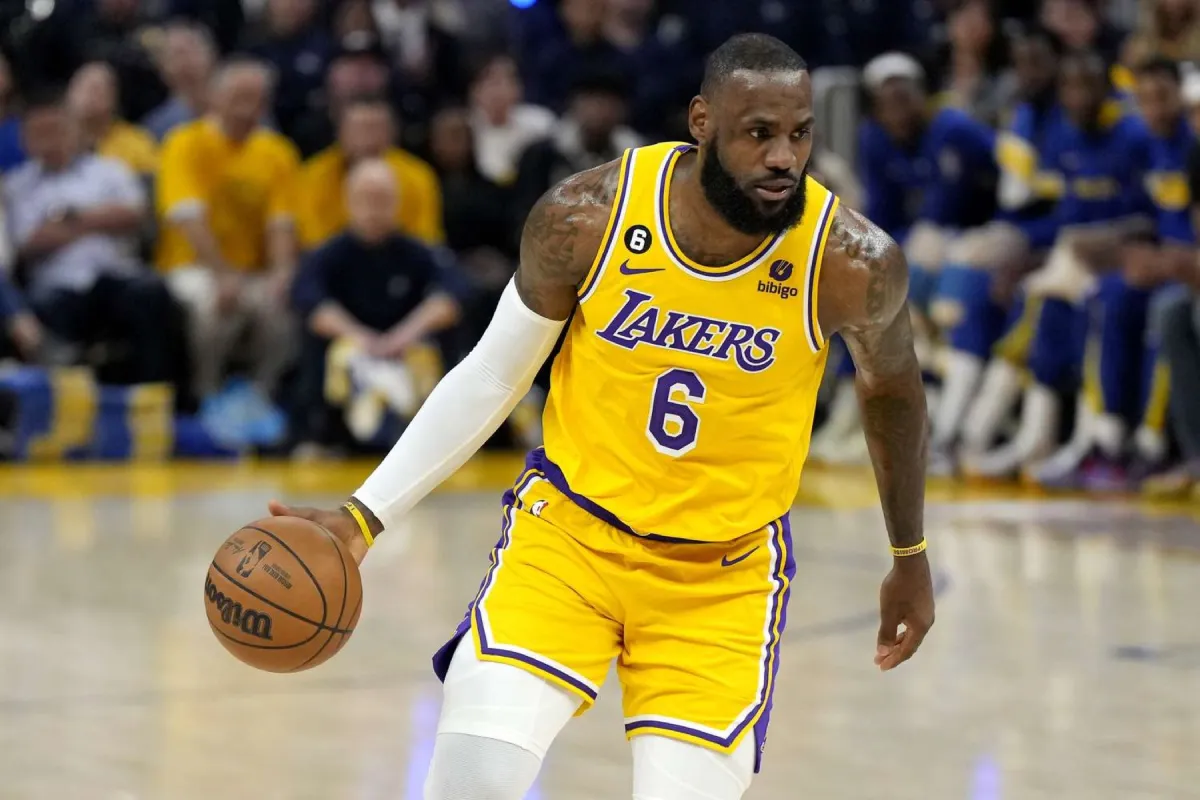 Photo: LeBron James, via doquizzes.com
The Decision didn't just move the league's best player—it proved that superstars could bypass traditional franchise building and create their own super-teams. It sparked the player empowerment era, where stars dictate their destinations and force organizations to adapt to their timelines.
The Heat's Big Three experiment worked, producing two championships and four Finals appearances. But the real impact was cultural: suddenly, every superstar trade request or free agency decision became a potential league-shifting event. Kevin Durant to Golden State, Anthony Davis to the Lakers, James Harden's multiple moves—they all trace back to LeBron's decision to take control of his career.
The Quarterback Shuffle: Brett Favre's Never-Ending Journey
Brett Favre's retirement saga and subsequent trades from Green Bay to the New York Jets, then to the Minnesota Vikings, created the template for modern quarterback drama. But beyond the headlines and text message screenshots, Favre's moves proved that even legendary quarterbacks aren't untouchable.
The Packers trading Favre to the Jets in 2008 was supposed to end the story. Instead, it began a new chapter that saw Favre nearly lead Minnesota to a Super Bowl while playing his former team twice a year. The trade showed that sometimes the most painful roster decisions create the most compelling storylines.
Every subsequent veteran quarterback move—from Peyton Manning's post-injury signing with Denver to Tom Brady's Tampa Bay transformation—owes something to Favre's precedent of proving that legends can thrive in new uniforms.
The Move That Changed Everything: Kevin Durant to Golden State
When Kevin Durant signed with the Golden State Warriors in 2016, he didn't just join a championship team—he broke the NBA's competitive balance in a way that forced the entire league to recalibrate.
The Warriors had just won 73 regular season games and lost the Finals in seven games to Cleveland. Adding Durant to that core didn't just make them better—it made them nearly unbeatable. The next two championships felt inevitable rather than earned, which created a fascinating tension in how fans processed greatness.
But Durant's move also accelerated the arms race that defines today's NBA. Teams realized they needed multiple stars to compete, leading to the Lakers' pursuit of Anthony Davis, the Nets' brief super-team experiment, and the constant trade speculation that now dominates NBA coverage year-round.
The Deal That Never Dies: Wayne Gretzky to Los Angeles
August 9, 1988. The Edmonton Oilers traded Wayne Gretzky—the greatest hockey player who ever lived, in his prime, coming off four Stanley Cups in five years—to the Los Angeles Kings.
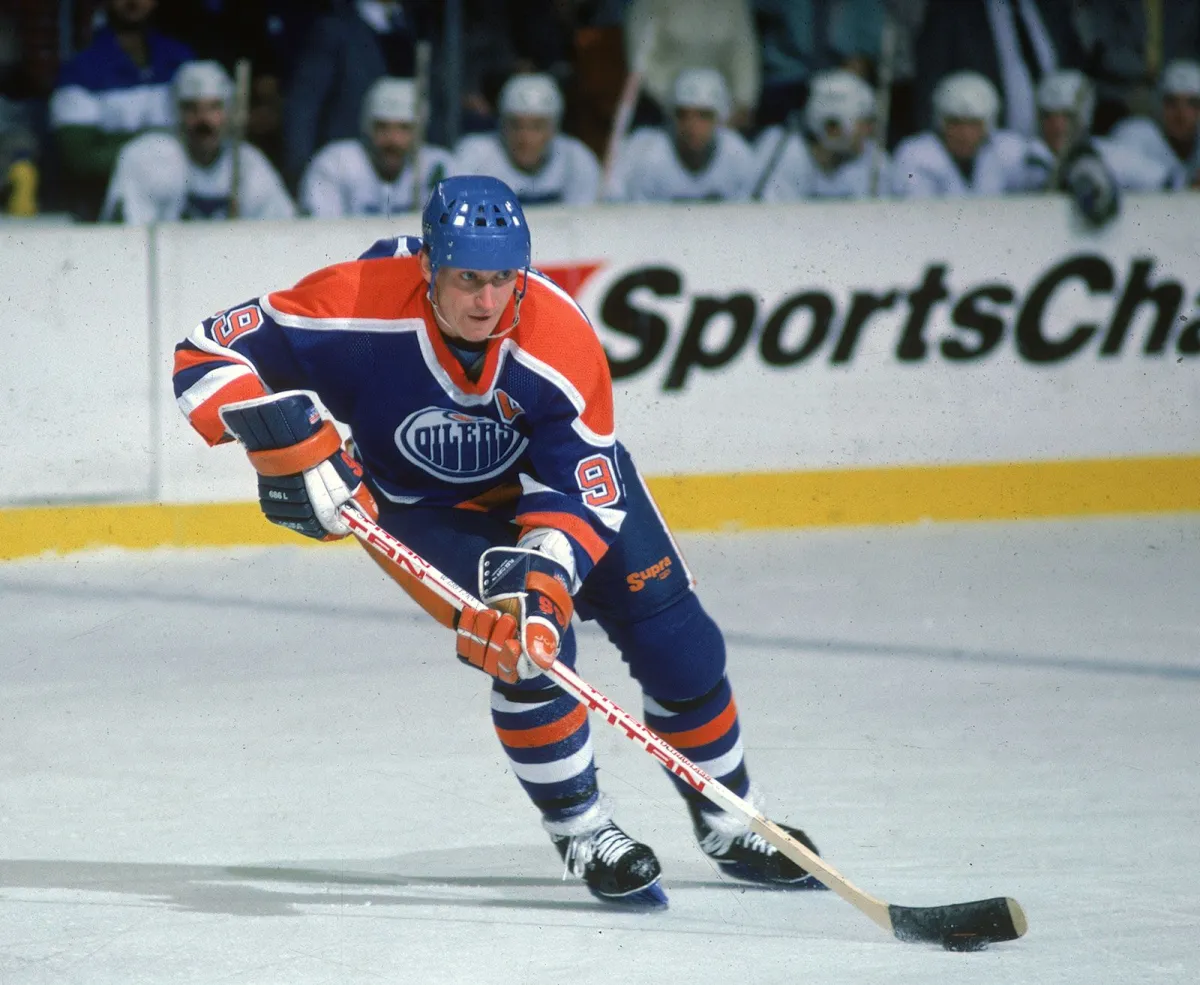 Photo: Wayne Gretzky, via cdn.britannica.com
The trade didn't just move the best player in hockey from a Canadian powerhouse to a struggling American franchise. It moved hockey itself, proving the sport could thrive in non-traditional markets and opening the door for NHL expansion across the Sun Belt.
Gretzky's arrival in Los Angeles legitimized hockey in California, inspired a generation of American players, and created the blueprint for how superstar athletes could transform entire sports landscapes. Without that trade, there might be no hockey in Nashville, Vegas, or Tampa Bay.
The Ripple Effects Continue
What makes these trades legendary isn't just their immediate impact—it's how they continue to influence decision-making decades later. Every time an NFL team trades a star for multiple draft picks, they're using the Herschel Walker playbook. Every time an NBA superstar forces a trade, they're following the path LeBron blazed in Miami.
These deals prove that sometimes the biggest moves in sports aren't the ones that make the most sense on paper. They're the ones that change how everyone thinks about what's possible.
The Next Game-Changer
So what's the next trade that will reshape everything? Maybe it's already happened, and we just don't know it yet. Maybe it's coming this summer, when another superstar decides their current situation isn't working.
The beauty of these seismic trades is that they're impossible to predict but impossible to ignore once they happen. They remind us that in sports, as in life, sometimes one decision can change everything that comes after.
The players move on, the seasons change, but the ripple effects of these landmark deals keep spreading, shaping new stories and creating new possibilities we never saw coming.