New School Signal-Callers: Why Today's QBs Are Throwing Out the Old Playbook
The NFL quarterback used to be a simple concept: stand in the pocket, read the defense, deliver the ball. End of story. But walk into any NFL facility today, and you'll find signal-callers studying film that would make their predecessors' heads spin. Welcome to the era where the quarterback position is evolving faster than a Lamar Jackson scramble.
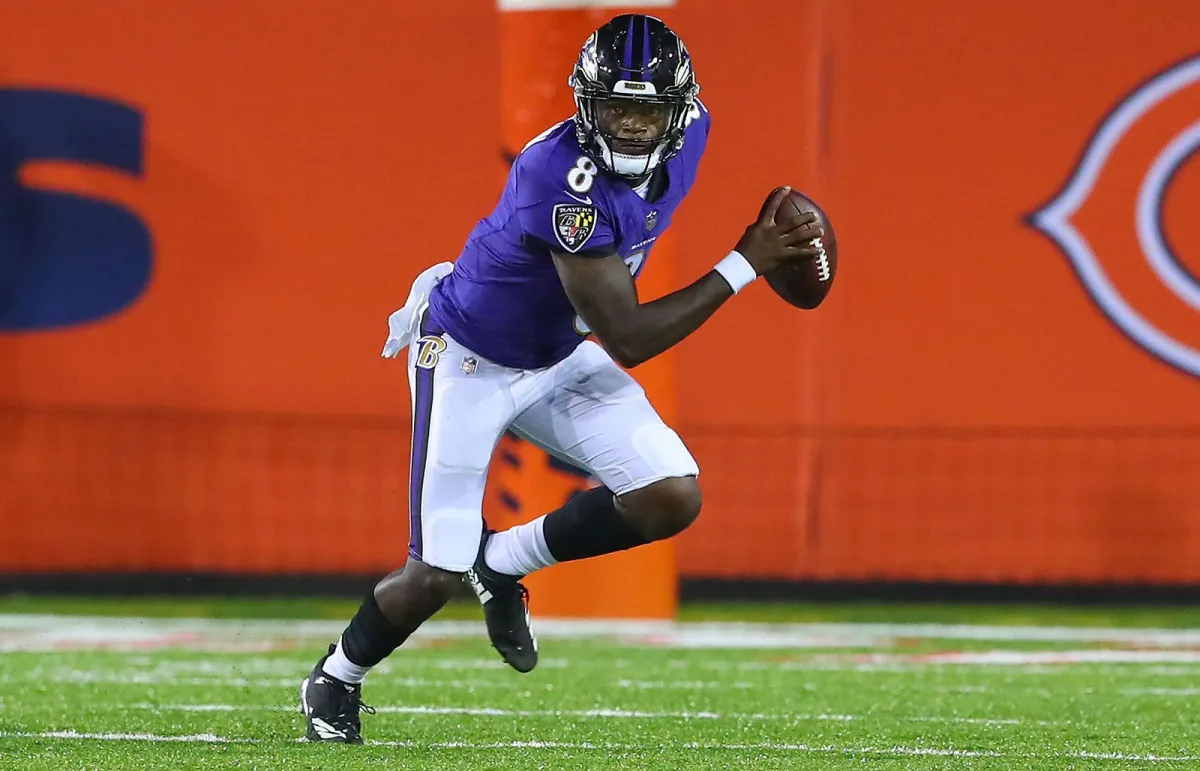 Photo: Lamar Jackson, via cdn.britannica.com
The Great QB Revolution
What we're witnessing isn't just change – it's a complete reimagining of football's most important position. Take Josh Allen, who entered the league as a cannon-armed project with questionable accuracy. Three years later, he's threading needles between defenders while bulldozing linebackers on designed runs. That's not player development – that's position evolution.
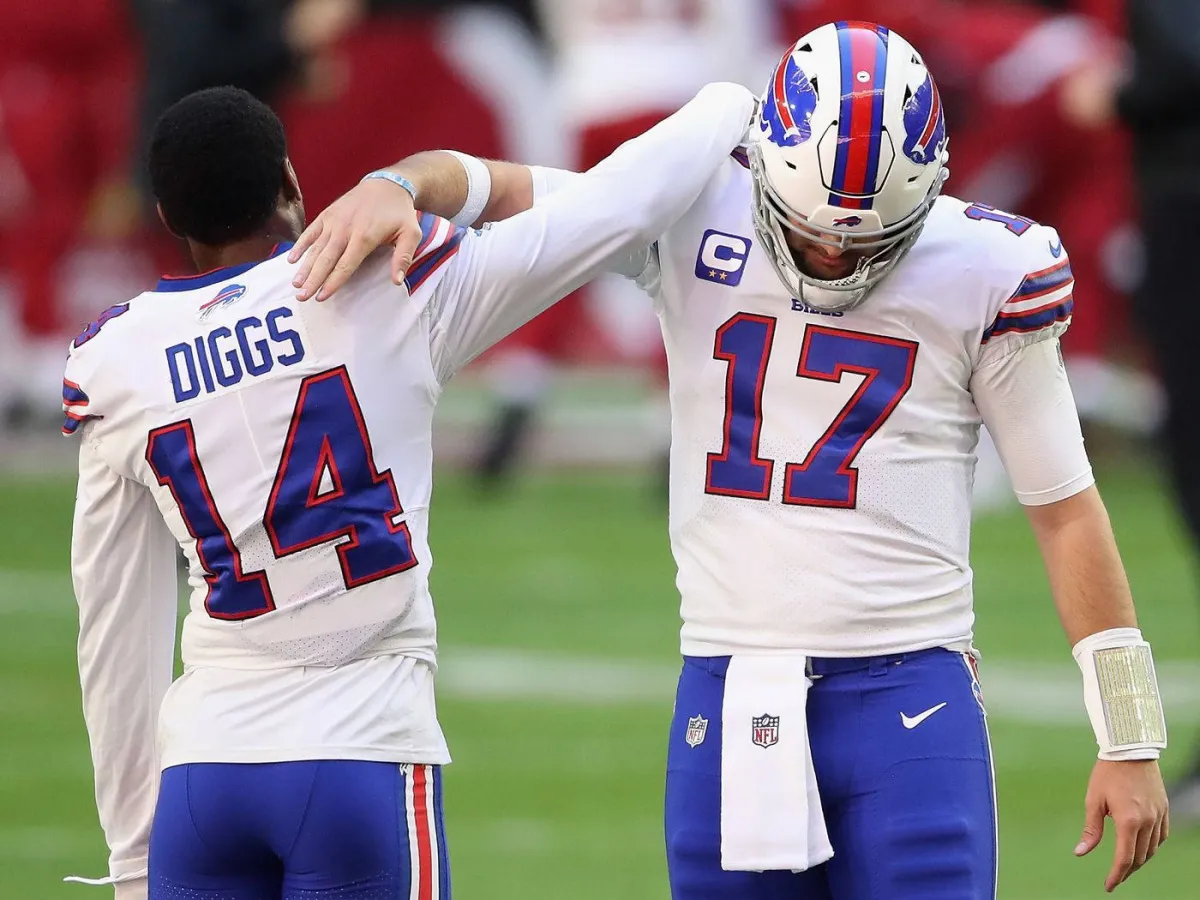 Photo: Josh Allen, via wallpapers.com
The numbers tell the story. In 2010, the league's top quarterbacks averaged 23 rushing yards per game. Today? That number has nearly doubled. But it's not just about scrambling when plays break down. These quarterbacks are incorporating designed runs, read-options, and mobility concepts that would have been considered gimmicky just a decade ago.
Mid-Career Makeovers
Perhaps the most fascinating aspect of this evolution is watching established quarterbacks completely reinvent their games. Ryan Tannehill spent seven seasons as a traditional pocket passer in Miami before transforming into a dual-threat weapon in Tennessee. The Titans didn't just change his scenery – they changed his entire identity as a player.
Then there's Jalen Hurts, who went from backup quarterback to MVP candidate by embracing a hybrid style that blends precision passing with punishing ground attacks. His 2022 season wasn't just impressive – it was a blueprint for how the position can evolve in real time.
The Analytics Behind the Evolution
The shift isn't happening by accident. Modern NFL offenses have discovered that mobile quarterbacks create mathematical nightmares for defenses. When a quarterback can run, defenses must account for an extra gap, fundamentally changing the arithmetic of every play call.
Defensive coordinators who once game-planned for 11 offensive players now effectively face 12. That extra defender in the box? He's now conflicted between covering his assigned gap and keeping an eye on the quarterback. It's chess, not checkers, and the rules just changed.
Beyond the Scramble
This evolution extends far beyond mobility. Today's quarterbacks are mastering pre-snap diagnostics that would impress computer programmers. They're calling audibles based on leverage, adjusting protection schemes on the fly, and communicating with receivers through hand signals that look like sign language.
Patrick Mahomes represents the pinnacle of this new breed – a quarterback who can make throws from impossible angles while processing information at superhuman speeds. His success has inspired a generation of young quarterbacks to expand their skill sets beyond traditional pocket passing.
The Coaching Connection
None of this happens without forward-thinking coaching staffs. Offensive coordinators are designing systems that maximize their quarterback's unique abilities rather than forcing square pegs into round holes. The days of "this is how we've always done it" are officially over.
Coaches like Sean McVay and Kyle Shanahan have built entire offensive philosophies around quarterback mobility and decision-making. They're not just calling plays – they're creating environments where quarterbacks can showcase skills that previous generations never needed to develop.
The Ripple Effect
This quarterback evolution is reshaping every other position on the field. Running backs are becoming more versatile receivers. Wide receivers are learning to block like tight ends. Offensive lines are mastering mobility protection schemes that didn't exist in playbooks five years ago.
Defenses, meanwhile, are scrambling to adapt. Linebackers need to cover slot receivers. Safeties are playing closer to the line of scrimmage. Edge rushers must balance pass rush with run fits. The entire chess board has been flipped.
What's Next?
As we look toward the future, this evolution shows no signs of slowing down. College football is producing quarterbacks with skill sets that would have been considered impossible just a generation ago. These players are entering the NFL with tools that veteran quarterbacks are still learning to use.
The quarterback position is becoming less about fitting a mold and more about breaking them. In a league where adaptation equals survival, the signal-callers who can reinvent themselves aren't just staying relevant – they're defining the future of America's most popular sport.
The old playbook? It's been officially thrown out the window. And frankly, the game is better for it.