Not Your Dad's Weekend Sport: The Games Taking Over America's Gyms, Parks, and Arenas
Not Your Dad's Weekend Sport: The Games Taking Over America's Gyms, Parks, and Arenas
Five years ago, if you told someone that pickleball would be selling out arenas, that flag football would be drawing serious investment from NFL ownership groups, or that professional volleyball would be packing fans into venues on weeknights, you'd have gotten some polite nods and a lot of skeptical looks.
Well, here we are.
Across America, a wave of sports that once lived exclusively in school gyms, retirement communities, and weekend recreation leagues are making a loud, undeniable push into the mainstream. And the audiences showing up for them? Younger, louder, and more engaged than anyone predicted.
Pickleball: From Retirement Courts to Prime Time
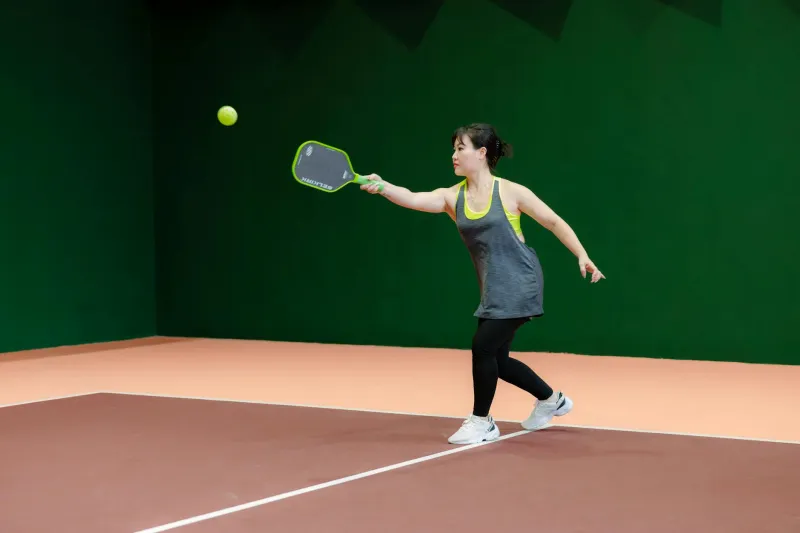
Let's start with the one that genuinely blindsided the sports world. Pickleball — a paddle sport that blends elements of tennis, badminton, and ping pong — was long considered the domain of retirees looking for a low-impact hobby. That reputation is officially dead.
According to the Sports & Fitness Industry Association, pickleball is now one of the fastest-growing sports in the United States, with participation numbers climbing past 36 million players in recent years. But what's really changed is what's happening at the professional level.
Major League Pickleball (MLP) launched in 2021 and has attracted investment from names like LeBron James, Tom Brady, and Kevin Durant. That's not a minor detail — when athletes of that caliber put their money and their name behind something, the sports world pays attention. MLP events have drawn sold-out crowds and broadcast deals that would have seemed absurd for pickleball even three years ago.
So what's driving it? For younger fans, pickleball offers something increasingly rare: accessibility. You don't need elite athleticism to play, the learning curve is gentle, and the social element is huge. Courts are popping up in urban parks, converted warehouse spaces, and dedicated facilities nationwide. People are playing and watching, which is the magic combination that turns a sport into a cultural moment.
Flag Football: The NFL's Fastest Growing Relative
If pickleball snuck up on the sports world, flag football is making a full sprint. The non-contact version of America's most popular sport has exploded at every level — recreational, competitive, and now professional.
The NFL has been actively pushing flag football as a global growth vehicle, and domestically, the results are hard to argue with. USA Football reported that flag football participation among youth has skyrocketed, with millions of kids now playing who might never have suited up for tackle. For parents concerned about contact injuries, flag football offers a compelling alternative that keeps kids connected to the sport they love watching on Sundays.
At the professional level, the NFL Flag Championships regularly draw thousands of fans and enormous online viewership. The sport has also been confirmed as an Olympic discipline for the 2028 Los Angeles Games, which is a massive credibility boost. When the Olympics come calling, the mainstream conversation shifts.
The energy at flag football events is worth noting. These aren't quiet, polite affairs — they're loud, fast, and genuinely exciting to watch. The format naturally produces more scoring and open-field action than traditional football, which plays perfectly to a generation raised on highlight culture and short-form content.
Indoor Volleyball: The Sleeping Giant Finally Wakes Up
Ask a casual American sports fan to name a professional volleyball league, and most would struggle. That's about to change.
Pro Volleyball Federation (PVF), which launched its inaugural season in 2024, has exceeded expectations in almost every measurable way. Teams in cities like Columbus, Atlanta, and Omaha were drawing thousands of fans per match right out of the gate. The league has built its foundation on something smart: leaning into the enormous pipeline of college volleyball fans who had no professional product to follow after graduation.
NCAA volleyball is already a phenomenon. Nebraska's volleyball program regularly sells out Memorial Stadium — yes, a football stadium — for matches, setting world attendance records for the sport. The fan base existed. The professional league just needed to show up and give them somewhere to go.
PVF has done that, and the early returns suggest this league has real staying power. Stars who might have had to move overseas to play professionally now have a domestic option, which keeps the talent and the attention stateside.
Why These Sports Are Connecting With Younger Fans
There's a pattern worth noticing across all three of these sports. They're social. They're participatory. And they translate well to short-form video.
Generation Z and younger millennials don't just want to watch sports — they want to play them, share them, and feel part of a community around them. Pickleball is inherently social; flag football is easy to organize with friends; volleyball has a deep team-bonding culture. These aren't sports you watch from a distance. They're sports that pull you in.
There's also a cost and accessibility factor that traditional sports sometimes struggle with. Youth football requires expensive equipment and organized leagues. Baseball demands a specific field and significant time commitment. Pickleball requires a paddle and a court that's increasingly easy to find. That low barrier to entry matters enormously when you're trying to build a new generation of fans.
What This Means for American Sports Culture
The rise of these sports doesn't threaten the NFL, NBA, or MLB. Those leagues aren't going anywhere. But what it does suggest is that American sports culture is expanding — that there's room in the conversation for more than just the traditional big four.
For sports fans, that's a genuinely exciting development. More sports means more stories, more athletes to follow, and more moments worth watching. The gym down the street is becoming an arena. The park court is becoming a stadium.
Pay attention. The sports landscape is changing, and the best part is just getting started.