The Breaking Point That Builds Champions
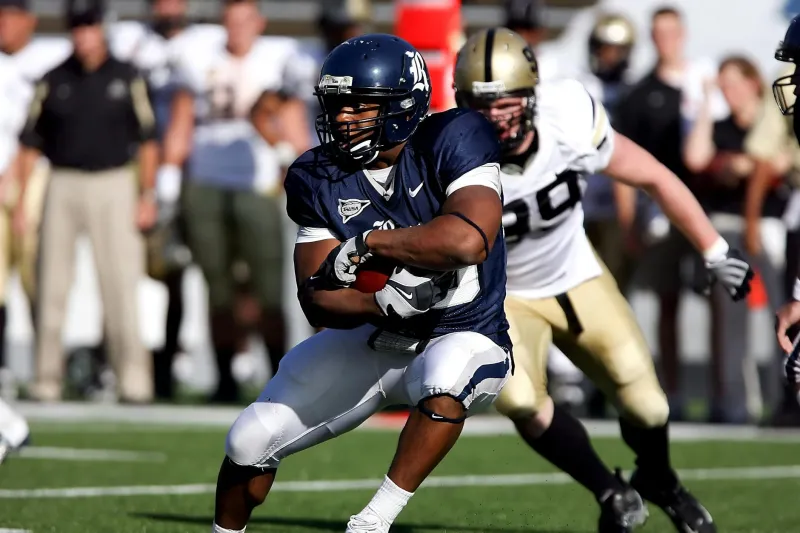
Every NFL fan has witnessed that gut-wrenching moment when a star player crumples to the turf, clutching a knee or shoulder, while 70,000 people fall silent. The injury that makes everyone in the stadium — from die-hard season ticket holders to casual viewers — hold their breath and wonder if they just watched a career end in real time.
But what happens after the cameras stop rolling? What unfolds during those months of grueling rehabilitation, mental battles, and the slow climb back to elite performance? The stories that emerge from these darkest moments often become the most inspiring chapters in sports.
When Doctors Say "Never Again"
Take the journey of players who've faced the kind of injuries that make medical professionals shake their heads. We're talking about the devastating knee reconstructions, the spinal injuries that threaten mobility, the concussions that force athletes to question everything they've built their identity around.
These aren't just physical setbacks — they're complete life disruptions. When your entire world revolves around peak athletic performance, losing that ability feels like losing yourself. The mental game becomes just as crucial as the physical recovery, and often more challenging.
The rehabilitation process for elite athletes operates on a completely different level than what most people experience. We're talking about 6-8 hour daily sessions that combine cutting-edge medical technology with old-school grit. Underwater treadmills, electrical stimulation therapy, and biomechanical analysis become daily realities.
The Grind Nobody Sees
What fans don't witness are the 5 AM training sessions in empty facilities, working with specialized trainers who understand both the physical and psychological components of elite recovery. These athletes aren't just rebuilding muscles and joints — they're reconstructing their entire relationship with their bodies.
The mental battles are often the hardest part. Imagine being someone who's dominated physically their entire life, suddenly unable to perform basic movements without pain or uncertainty. The fear of re-injury becomes a constant companion, whispering doubts during every cut, every tackle, every moment of contact.
Family members become crucial support systems, often serving as motivation when the athlete's own drive wavers. Teammates check in regularly, but there's an isolation that comes with injury that even the closest relationships can't fully bridge.
The Moment Everything Changes
Then comes the breakthrough — that first practice where everything clicks again. The first full-speed drill. The first contact without hesitation. These moments often happen months before fans see the player back in uniform, but they represent the real victory.
Players describe these breakthrough moments with almost religious reverence. After months of doubt and incremental progress, suddenly the body remembers what it's capable of. The mind stops protecting and starts competing again.
The return to game action brings its own set of challenges. Fans expect immediate excellence, but the reality is that physical recovery and game-speed performance are two different things. Timing, instincts, and chemistry with teammates all need to be rebuilt.
Stronger Than Before
What's remarkable about many of these comeback stories is how players often return not just as good as before, but better. The injury forces a complete examination of training methods, nutrition, and mental preparation. They emerge with a deeper understanding of their bodies and a appreciation for their careers that drives them to new heights.
The psychological edge gained from overcoming a career-threatening injury is immeasurable. When you've already faced your worst fear and conquered it, everything else on the football field becomes manageable. Fourth quarter pressure pales in comparison to the pressure of wondering if you'll ever play again.
These players become leaders in ways they never were before their injuries. They understand adversity at a level that resonates with teammates facing their own challenges. Their presence in the locker room carries extra weight because everyone knows what they've overcome.
The Ripple Effect
Perhaps the most powerful aspect of these comeback stories is how they inspire beyond football. Fans dealing with their own health challenges, career setbacks, or personal struggles find hope in watching their heroes overcome seemingly impossible obstacles.
The message becomes clear: setbacks don't define you — your response to them does. In a sport built on physical dominance, these stories remind us that the strongest muscle is often the mind, and the most important victories happen long before the scoreboard lights up.
When these warriors take the field again, they're carrying more than just their team's hopes — they're proving that the human spirit, combined with elite determination, can overcome anything. That's the kind of inspiration that transcends sports and touches something deeper in all of us.