Second-Act Superstars: How NFL Veterans Are Proving That Being 'Washed Up' Is Just Another Starting Point
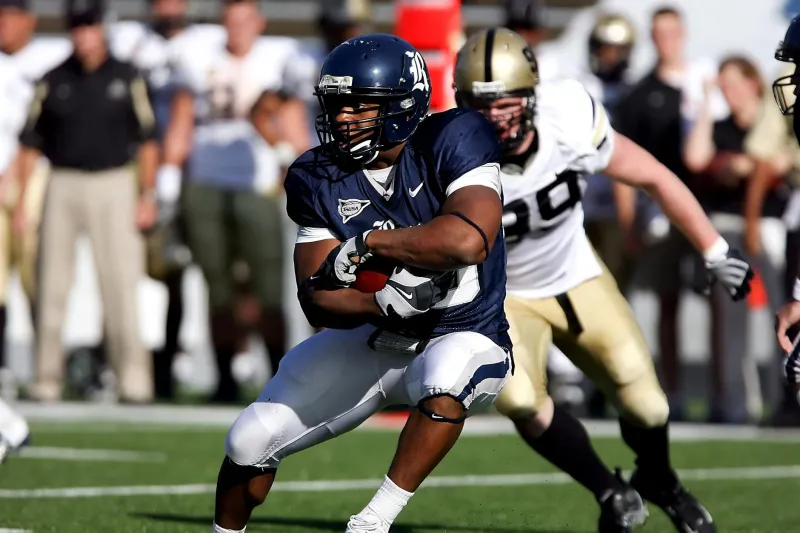
The Art of the Resurrection
In a league where careers can end with a single bad season or injury, something remarkable is happening across NFL front offices. Teams are increasingly willing to take chances on players who've been cast aside, and those gambles are paying dividends that nobody saw coming.
Take the recent surge of veteran quarterbacks finding new homes after being deemed "finished." These aren't your typical backup signings or emergency depth moves. We're talking about players who were legitimately written off, released, or even retired, only to come back and deliver performances that have entire franchises rethinking their evaluation processes.
Why Teams Are Rolling the Dice
The math behind these signings is fascinating. When you sign a player who's been released or overlooked, you're often getting proven NFL talent at a fraction of what it would cost on the open market. There's no draft capital invested, no long-term commitment required, and if it doesn't work out, you cut ties without major financial consequences.
But there's something deeper happening here. NFL coaches and general managers are recognizing that the traditional timeline for peak performance doesn't always apply. Some players hit their stride later than expected. Others need a change of scenery to rediscover what made them special in the first place.
"Sometimes a player just needs to get hungry again," says one AFC executive who requested anonymity. "When you've been told you're done, and you prove everyone wrong, that's a different kind of motivation than anything you can coach."
The Psychology of the Comeback
What makes these comeback stories so compelling isn't just the on-field production – it's the mindset shift that comes with having nothing left to lose. Players who've been released or written off often arrive at their new teams with a chip on their shoulder and something to prove.
This psychological edge can be contagious. When veteran players who were supposedly "finished" start making plays, it sends a message to the entire locker room about resilience and determination. Younger players see that careers don't have to follow predictable arcs, and that setbacks can become setups for something even better.
More Than Just Quarterbacks
While quarterback comebacks get the most attention, this trend extends across every position group. Defensive players who were considered too slow or too small are finding ways to contribute. Running backs who were labeled as "done" are discovering new roles in different offensive systems. Wide receivers who couldn't find the field elsewhere are becoming reliable targets in new environments.
The key is finding the right fit. A player who struggled in one system might thrive in another. A veteran who couldn't keep up with a young, athletic team might be exactly what a veteran-heavy squad needs for leadership and experience.
The Financial Sweet Spot
From a business perspective, these signings represent incredible value. When teams sign established veterans who've been released, they often get them on prove-it deals or veteran minimum contracts. The financial risk is minimal, but the potential upside is enormous.
Compare that to the cost of developing a rookie or trading for an established star, and it's easy to see why more teams are exploring this route. You're essentially getting a lottery ticket with much better odds than the actual lottery.
Changing the Culture
This trend is also shifting how players approach their careers. Instead of viewing a release or being cut as the end of the road, more players are seeing it as an opportunity for a fresh start. The stigma of being "unwanted" is fading as success stories pile up across the league.
Players are also taking better care of their bodies and staying in shape longer, knowing that opportunities can arise unexpectedly. The possibility of a second act is keeping veteran players engaged and ready, even when their immediate future seems uncertain.
The Ripple Effect
As these comeback stories multiply, they're creating a ripple effect throughout the league. Teams are becoming more willing to take chances on players with complicated histories. Coaches are developing better systems for integrating veterans who might need time to adjust to new schemes.
Most importantly, the success of these signings is proving that talent evaluation in the NFL is still an imperfect science. What one team views as a liability, another sees as an opportunity.
Looking Forward
The trend shows no signs of slowing down. As salary caps continue to constrain team spending, and as the pool of available talent grows with players staying healthier longer, expect to see more teams mining the market for discarded gems.
For fans, these stories provide something that pure athletic achievement sometimes can't: genuine human drama. There's something uniquely American about the comeback narrative, the idea that it's never too late to prove the doubters wrong.
In a league obsessed with youth and potential, these veteran comebacks remind us that experience, determination, and the right opportunity can be just as valuable as raw talent. Sometimes the best investment isn't in what might be – it's in what already was, just waiting for another chance to shine.