The Sideline Chess Match: How Elite Coaches Turn Timeouts Into Championship Moments
The Art of the Pause
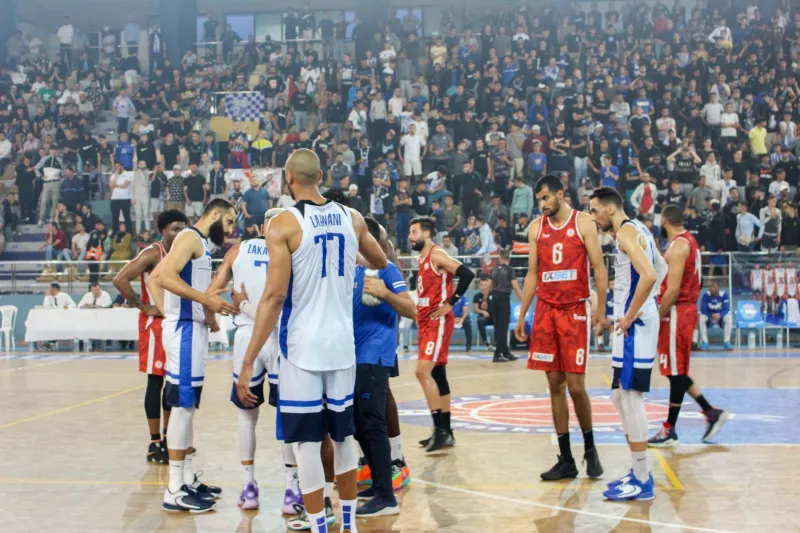
In the heat of competition, when adrenaline is pumping and crowds are roaring, the most powerful weapon in sports might be the ability to make everything stop. The timeout – that brief interruption in play – has evolved from a simple break into a sophisticated strategic tool that separates championship coaches from everyone else.
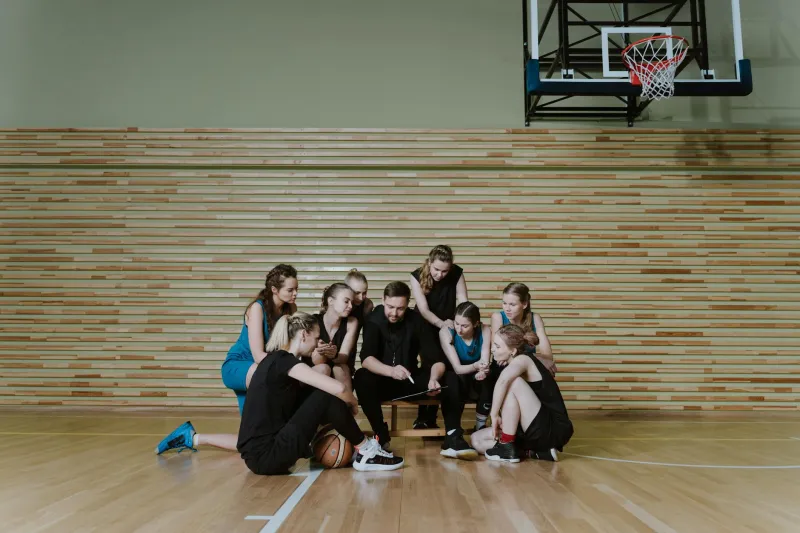
While casual fans grab snacks or check their phones during these breaks, elite coaches are conducting symphonies of strategy, psychology, and pure tactical genius. The best timeouts don't just rest tired players – they change the entire trajectory of games.
Masters of the Moment
Phil Jackson understood that timeouts weren't just about X's and O's – they were about minds and souls. During the Bulls' championship runs, Jackson would call timeouts not when his team was struggling, but when they were losing focus. He'd gather his players and speak in riddles about mindfulness and presence, somehow turning Buddhist philosophy into basketball dominance.
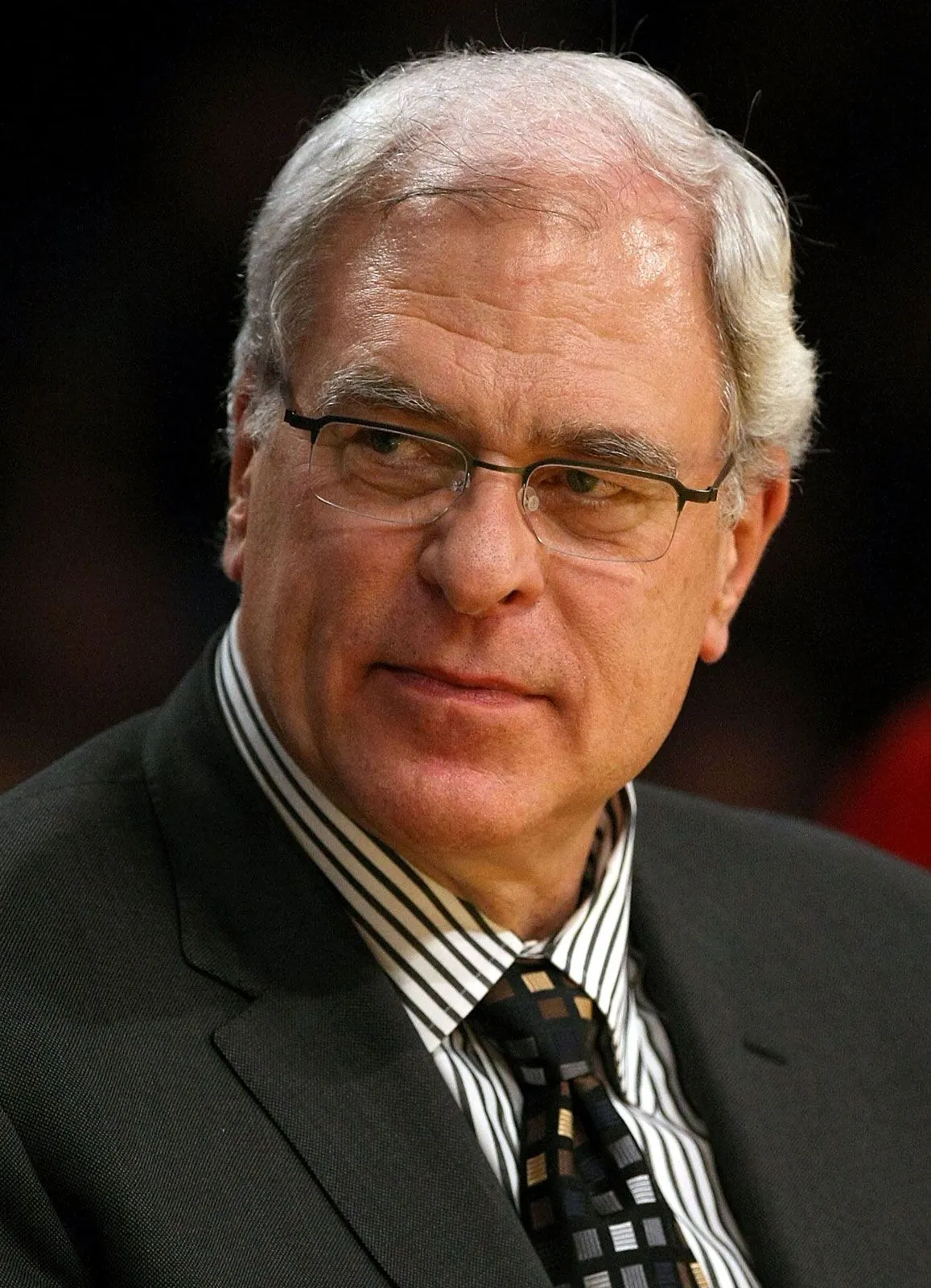 Photo: Phil Jackson, via cdn.britannica.com
Jackson's timeout philosophy was revolutionary: instead of screaming about defensive rotations, he'd remind his players to breathe and trust their instincts. It sounds soft, but it won 11 championships.
Bill Belichick approaches timeouts like a chess grandmaster, always thinking three moves ahead. His timeout usage is so precise that opposing coaches spend hours studying when he's likely to call them. Belichick doesn't just use timeouts to stop momentum – he weaponizes them to create confusion and force opponents into uncomfortable situations.
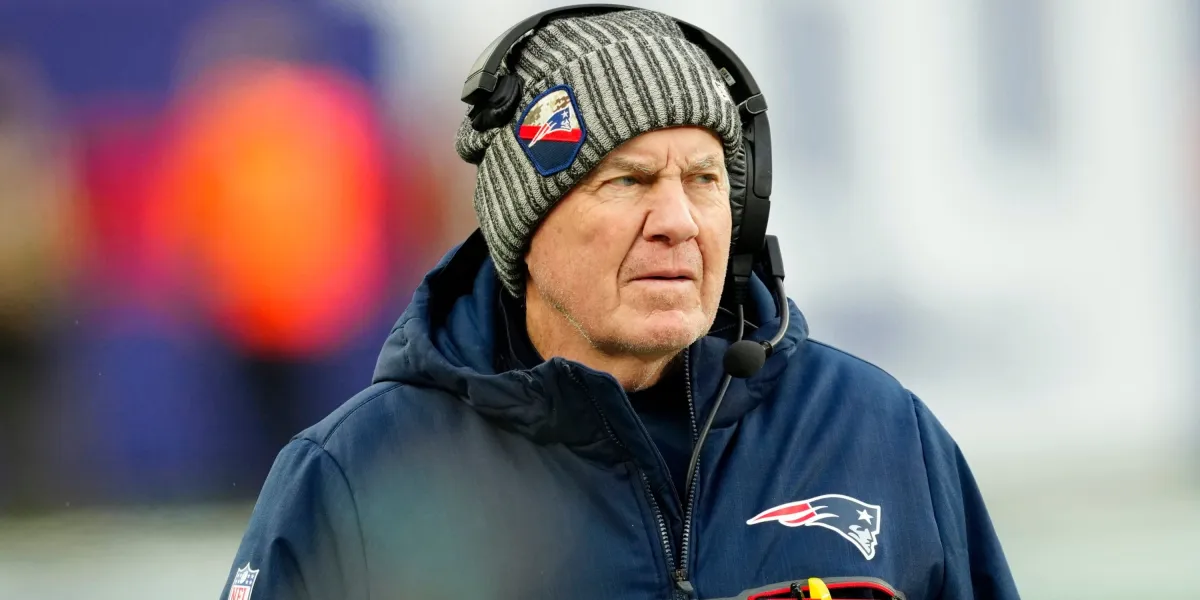 Photo: Bill Belichick, via static0.givemesportimages.com
The Psychology of the Break
The best coaches understand that timeouts are as much about psychology as strategy. When a team is on fire, a well-timed timeout can cool them down and disrupt their rhythm. When your own team is panicking, 30 seconds of calm instruction can restore confidence and clarity.
Gregg Popovich has mastered the art of the momentum-killing timeout. When opponents start hitting everything and the crowd gets loud, Pop calls time and delivers exactly the right message – sometimes strategic, sometimes motivational, sometimes just a reminder that basketball is still basketball.
The psychological impact extends beyond the huddle. Opposing coaches must decide whether to use their own timeout to maintain momentum or save it for later. Players on the bench watch their coach's demeanor for clues about confidence and strategy. Fans sense the tension and respond accordingly.
Clock Management as High Art
In the NFL, timeout management becomes even more crucial because you only get three per half. Andy Reid's transformation from clock management liability to timeout savant parallels his evolution into a championship coach. Reid learned to view timeouts not as insurance policies but as precision instruments.
The 2019 AFC Championship Game showcased Reid's growth. Trailing by double digits in multiple games, Reid used his timeouts not just to stop the clock but to create specific matchup advantages and give Patrick Mahomes the exact information needed for comeback drives.
Meanwhile, coaches like Sean McVay have revolutionized timeout usage by treating them as opportunities for real-time game planning. McVay's photographic memory allows him to process massive amounts of information during 30-second breaks, often emerging with completely new offensive concepts.
The Challenge Revolution
The introduction of coach's challenges added another layer to sideline strategy. Suddenly, coaches weren't just managing time – they were managing technology and probability. When do you risk a timeout on a challenge that might fail? How do you balance the potential gain against the guaranteed loss of a timeout?
Bill Belichick quickly became the master of challenge strategy, understanding that the psychological impact of a successful challenge often outweighs the tactical benefit. A reversed call doesn't just change the down and distance – it shifts momentum and demonstrates that your coach is fighting for every advantage.
March Madness and the Ultimate Timeout
College basketball's single-elimination format makes timeout management even more critical. One poorly timed timeout can end a season, while a perfect one can launch a Cinderella run.
John Calipari's timeout philosophy at Kentucky emphasizes simplicity under pressure. Instead of complex adjustments, he focuses on reminding young players of fundamental concepts they've practiced thousands of times. In March Madness, execution often matters more than innovation.
Meanwhile, coaches like Tony Bennett use timeouts to slow down pace and force opponents out of their comfort zones. Virginia's methodical style relies heavily on strategic timeouts that turn fast-paced games into grinding affairs where their discipline becomes an advantage.
The Moment That Changed Everything
Some timeouts become legendary for what happens immediately after them. Steve Kerr's decision to call timeout and insert Andre Iguodala into the starting lineup during the 2015 NBA Finals didn't just change a game – it won a championship and established Golden State's dynasty.
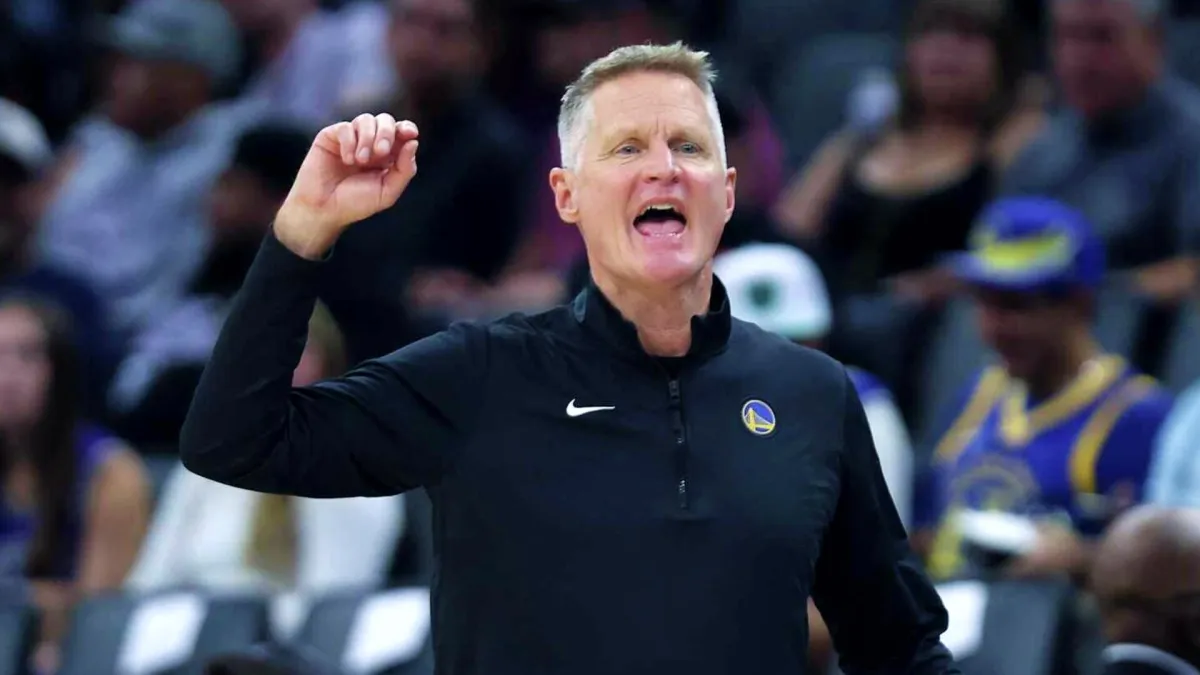 Photo: Steve Kerr, via cdn.nba.com
The timeout itself was simple, but the strategic adjustment it enabled was brilliant. Kerr used 30 seconds to communicate a complete philosophical shift that caught LeBron James and the Cavaliers completely off guard.
Analytics Meet Instinct
Modern coaches have access to real-time analytics that can inform timeout decisions, but the best still rely heavily on instinct and feel. Numbers can tell you when your team's shooting percentage is dropping, but they can't tell you when your star player needs a moment to collect himself.
Erik Spoelstra has perfected the balance between data and intuition. His timeout calls often seem to come at random moments, but they're actually based on subtle patterns that analytics help identify but experience helps interpret.
The Cost of Hesitation
Poor timeout management has cost teams championships. The most painful examples happen when coaches save timeouts for situations that never come, watching helplessly as winnable games slip away.
Conversely, some of the greatest coaching performances involve perfect timeout economy – using every break at exactly the right moment to maximum effect. These coaches understand that timeouts are meant to be spent, not hoarded.
The Hidden Drama
For fans who learn to watch timeout strategy, it adds an entirely new layer of drama to sports. You start noticing when coaches are playing chess while others are playing checkers. You appreciate the subtle psychological warfare happening during seemingly routine breaks.
The next time you watch a crucial game, pay attention to when timeouts are called and what happens immediately after. You might discover that the most important moments in sports happen when the action stops and the real strategy begins.
In American sports, where every advantage matters and championships are decided by the smallest margins, the timeout has evolved from a simple break into an art form. The coaches who master it don't just win games – they create legends.