The Moment Everything Changed
It was January 2022, and the Buffalo Bills had just scored a touchdown in 13 seconds to tie their playoff game against Kansas City. The crowd was electric, Josh Allen looked unstoppable, and the stage was set for an all-time classic overtime battle. Then came the coin flip. Kansas City won the toss, marched down the field, and scored a touchdown to end the game without Allen ever touching the ball again.
 Photo: Josh Allen, via wallpapers.com
The internet exploded. Fans called it unfair. Players questioned the system. And suddenly, America was having a heated debate about something most people had never really thought about: are our overtime rules actually fair?
The Great Divide: Sudden Death vs. Fair Play
Across American sports, overtime systems vary wildly, and each one has passionate defenders and critics. The NFL's modified sudden death gives both teams a chance to possess the ball only if the first score is a field goal. Score a touchdown? Game over. It's designed for drama, but critics argue it puts too much weight on a coin flip.
"The coin toss shouldn't determine who wins a playoff game," former NFL quarterback Dan Orlovsky said after that Bills-Chiefs thriller. "Both offenses should get a chance to show what they can do."
Meanwhile, the NBA takes the complete opposite approach. Overtime periods are five-minute mini-games where both teams get equal possessions, equal timeouts, and equal chances to win. It's methodical, it's fair, and it's... sometimes boring. Games can stretch into double or triple overtime, testing endurance more than clutch performance.
College football tried to split the difference with its alternating possession system, but even that's evolved. Teams now start from the 25-yard line for the first two overtimes, then switch to mandatory two-point conversion attempts after that. It's complicated, but it guarantees both teams get their shots.
When Rules Decide Championships
The controversy isn't just theoretical. Overtime rules have directly impacted some of the biggest games in American sports history. Super Bowl LI saw the Patriots win the coin toss and march to victory without the Falcons touching the ball in overtime. The 2019 NFC Championship game between the Rams and Saints went to overtime after a missed call, and once again, the coin flip winner scored immediately.
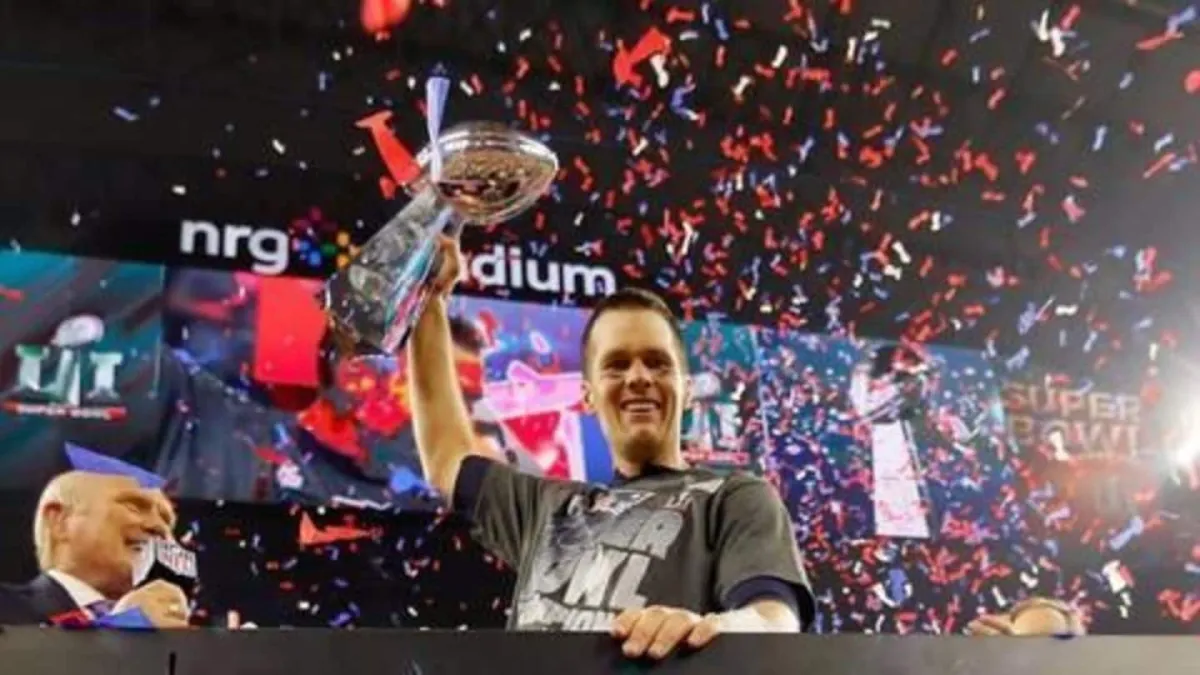 Photo: Super Bowl LI, via i.cdn.newsbytesapp.com
In college basketball, the 2016 National Championship between Villanova and North Carolina needed overtime to crown a champion. Both teams got equal possessions, equal chances, and fans got to see Kris Jenkins hit one of the most iconic shots in tournament history. Would that moment have existed under NFL rules? Maybe not.
"Every sport has different needs," explains sports analytics expert Sarah Chen. "Football is physically demanding, so you want to end games quickly. Basketball can handle longer periods because the pace is different. But the question is whether excitement should trump fairness."
The Fan Verdict: Split Down the Middle
Poll any group of American sports fans about overtime rules, and you'll get a heated debate. NFL traditionalists love the sudden-death drama. "It's called sudden death for a reason," argues longtime season ticket holder Mike Rodriguez from Denver. "Make a stop, win the game. That's football."
But younger fans, especially those who grew up with fantasy football and advanced analytics, see it differently. "You're telling me Patrick Mahomes and Josh Allen can't both get a chance to show what they can do?" asks college student Jessica Park. "That's not fair competition, that's just luck."
The NBA's system has fewer critics, but some argue five-minute overtime periods are too long. "By the fourth overtime, you're not watching the same teams anymore," says longtime Lakers fan Carlos Mendez. "Everyone's exhausted, and the quality drops."
The International Perspective
American sports aren't the only ones grappling with overtime drama. Soccer's penalty shootouts are essentially coin flips with extra steps, yet they're accepted as part of the game's charm. Hockey's sudden-death overtime in the playoffs creates some of the most intense moments in sports, with players skating until someone scores.
But international sports often have one advantage: they've been using their overtime systems for decades or even centuries. American sports, always evolving and always optimizing for television, keep tweaking their rules, which keeps the debate fresh.
Looking Forward: Change Is Coming
The NFL has already modified its overtime rules twice in the past 15 years, and more changes seem inevitable. Commissioner Roger Goodell has acknowledged fan concerns, and several proposals are floating around league offices. Some want both teams guaranteed at least one possession. Others want to eliminate the coin flip entirely and use a bidding system where teams compete for field position.
College sports are experimenting too. The NCAA recently changed its overtime format again, showing that even they're not satisfied with the current system.
The Bottom Line: Drama vs. Fairness
Here's the truth about overtime in American sports: there's no perfect system. Every format involves trade-offs between fairness, excitement, player safety, and television requirements. The NFL prioritizes drama and quick endings. The NBA values equal opportunity and complete competition. College sports try to find middle ground.
What's clear is that overtime rules matter more than ever. In an era where every play is analyzed, every decision is scrutinized, and every fan has a platform to voice their opinion, the stakes for getting it right have never been higher.
The next time your team loses in overtime, remember: you're not just upset about the loss. You're part of an ongoing American sports debate about what fairness really means when championships are on the line.