America's Greatest Stage: How 12 Minutes at Halftime Became Bigger Than the Game
When the Music Stops the World
Every February, for exactly 12 minutes, the most-watched television event in America isn't about touchdowns, field goals, or championship rings. It's about pyrotechnics, costume changes, and whether a pop star can deliver a performance that will be talked about for decades.
The Super Bowl halftime show has evolved into something that would be unrecognizable to fans from the 1970s, when marching bands and drill teams provided the intermission entertainment. Today, it's a cultural earthquake that generates more social media buzz than most award shows and commands a production budget that rivals Hollywood blockbusters.
From Marching Bands to Global Spectacle
The transformation didn't happen overnight. For the first 25 years of the Super Bowl, halftime was exactly what you'd expect: college marching bands, themed presentations, and the occasional celebrity appearance that felt more like a county fair than a world stage.
Then came 1993. Michael Jackson took the field at the Rose Bowl, stood motionless for 90 seconds as the crowd roared, and changed everything. Suddenly, the halftime show wasn't just filler content – it was appointment television.
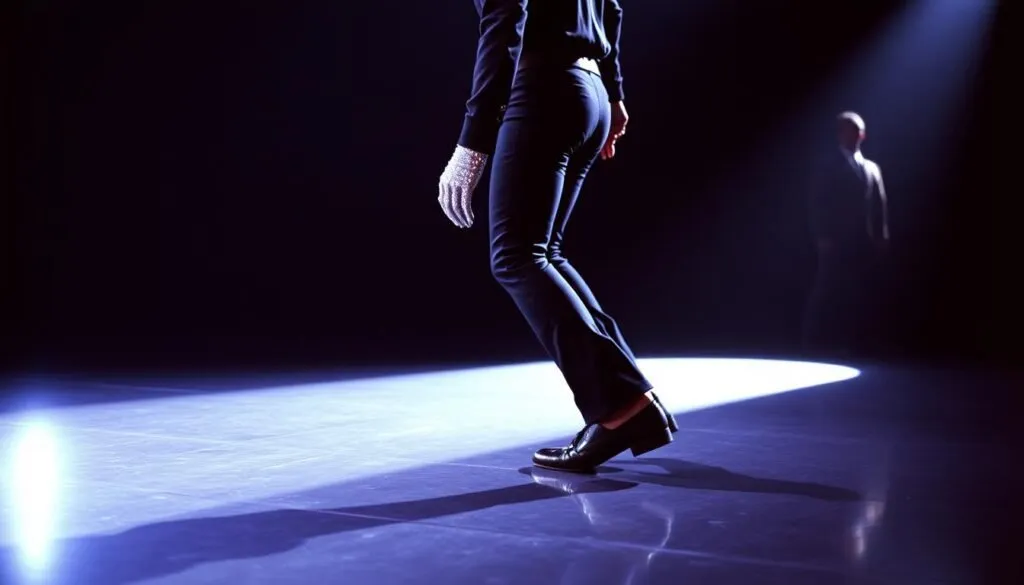 Photo: Michael Jackson, via celebpath.com
The numbers tell the story. Jackson's performance helped Super Bowl XXVII become the most-watched program in TV history at the time. More importantly, it proved that the right artist could make 100 million people forget about football for a quarter-hour.
The Moment Everything Changed
If Jackson opened the door, it was Janet Jackson who kicked it off its hinges – albeit accidentally. The 2004 "wardrobe malfunction" during her performance with Justin Timberlake created a media firestorm that lasted months and fundamentally changed how America thought about live television.
But here's the thing: it also proved that halftime show moments could transcend sports entirely. People who couldn't name a single player on either team were suddenly debating costume choices and choreography with the passion usually reserved for playoff brackets.
The Artists Who Own the Moment
Some performers understand the assignment better than others. Prince's 2007 performance in the rain remains the gold standard – a 12-minute master class in showmanship that turned a Minneapolis downpour into the perfect backdrop for "Purple Rain." The man played guitar solos that made grown football players weep.
 Photo: Prince, via progardentips.com
Beyoncé's 2013 show proved that star power could create its own gravitational pull. Her performance was so electric that it temporarily knocked out the Superdome's power grid. When your dance moves can literally break a stadium, you've reached a different level of entertainment.
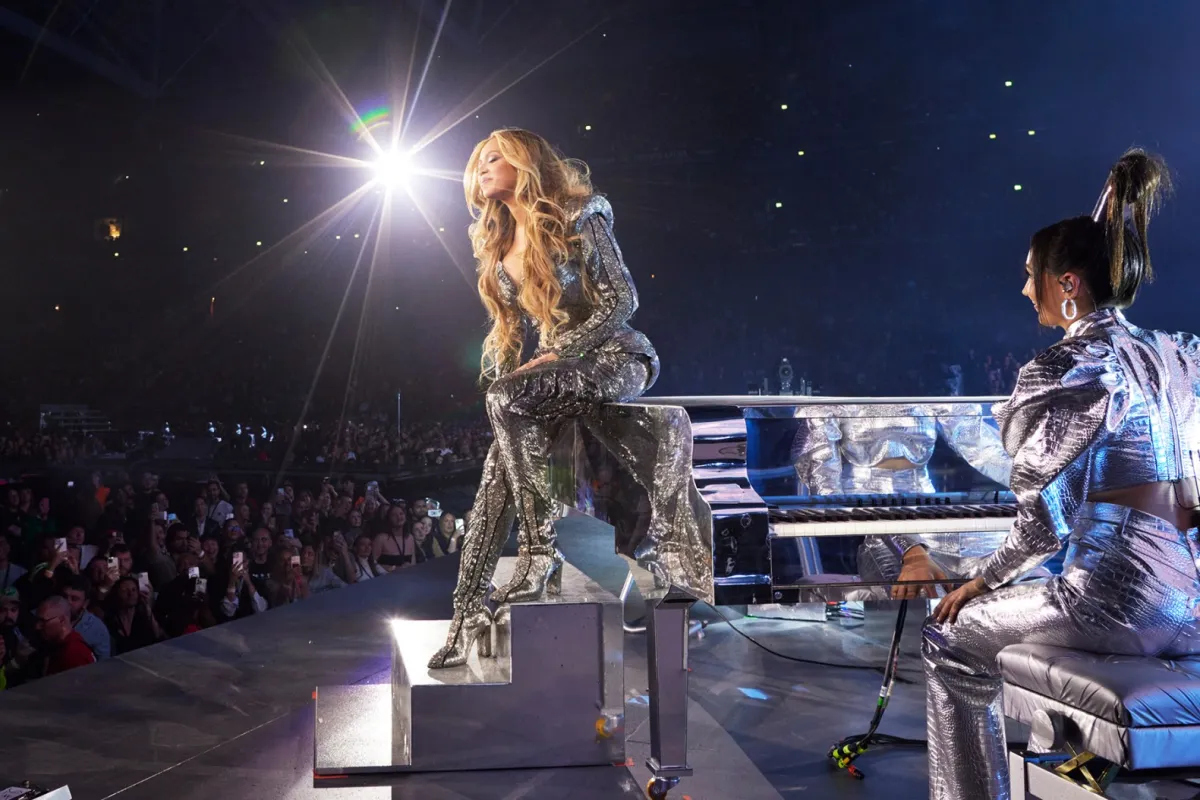 Photo: Beyoncé, via www.rollingstone.com
More recently, The Weeknd's 2021 performance showed how innovation could create intimacy in the world's biggest venue. His funhouse mirror maze made 65,000 people feel like they were watching a private concert.
When the Show Steals the Show
The halftime show has become so culturally significant that it routinely generates more headlines than the actual game. Lady Gaga's aerial entrance in 2017 dominated social media feeds. Shakira and Jennifer Lopez's 2020 celebration of Latin culture sparked conversations about representation that lasted weeks.
This cultural impact has created a fascinating dynamic: artists now view the halftime show as the ultimate career milestone, even though the NFL famously doesn't pay performers. The exposure is worth more than any check.
The Social Media Effect
In the age of Twitter and TikTok, the halftime show has become a real-time cultural event. Memes are born and die within minutes. Dance moves become viral challenges before the third quarter kicks off. The performance doesn't just happen in the stadium – it explodes across every screen in America simultaneously.
This social media amplification has turned the halftime show into something unprecedented: a shared cultural moment in an increasingly fragmented media landscape. For 12 minutes, America watches the same thing and reacts together.
The Pressure Cooker
The stakes have never been higher for performers. You're not just entertaining a stadium crowd – you're performing for the largest television audience of the year, knowing that every note, every dance move, and every costume choice will be analyzed, memed, and remembered forever.
Some artists thrive under this pressure. Others crumble. The difference often comes down to understanding that this isn't just a concert – it's a cultural statement that needs to work for football fans, music lovers, and everyone in between.
The Future of 12 Minutes
As the halftime show continues to evolve, one thing is clear: it has become permanently woven into the fabric of American sports culture. The performance is no longer an intermission – it's a co-headliner.
Whether that's good or bad for football depends on your perspective. But there's no denying that those 12 minutes have created some of the most memorable moments in Super Bowl history. And in a sport built on unforgettable moments, that's saying something.
The halftime show has proven that sometimes the best sports stories happen when the sports stop. In America's biggest game, the intermission has become the main event.