Bargain Hunters: How NBA Teams Are Winning Championships on the Cheap

Every June, when the confetti falls and a new champion raises the trophy, the cameras zoom in on the stars. The max-contract guys. The All-Stars. The faces on the billboards. But spend a little more time watching those celebration videos, and you'll notice something interesting — there's almost always a guy in the background who nobody really expected to be there. A veteran. A journeyman. Someone who signed for the minimum and then, quietly, became indispensable.
Veteran minimum deals — the NBA's bargain bin contracts, typically worth somewhere between $1 million and $3 million depending on years of experience — have become one of the smartest plays in basketball. And the franchises that have mastered the art of finding the right veteran at the right price are rewriting the rules of roster construction.
Why Veterans Take the Discount
Let's be honest: nobody dreams of signing a minimum deal. These are players who, in many cases, were once pulling down eight-figure salaries. Signing for the league minimum means swallowing some pride, adjusting expectations, and betting on yourself in a completely different way.
So why do they do it? Sometimes it's geography — a player wants to be close to family or finish his career in a city that means something to him. Sometimes it's about winning — veterans who've never touched a championship ring will take a pay cut to chase one. And sometimes, frankly, it's because the market has moved on and the minimum is the only offer on the table.
What makes these signings fascinating is that the motivation almost doesn't matter. What matters is what happens next.
The Chess Move Nobody Talks About
Smart front offices have figured out something that casual fans often miss: playoff basketball is a completely different game from the regular season. The pace slows down, the physicality cranks up, and experience becomes worth its weight in gold. A young team loaded with athleticism and energy can look unstoppable in February and completely lost in May.
That's where the veteran minimum guys come in. They've seen everything. They know how to guard without fouling in a tight fourth quarter. They understand how to set a screen that actually springs a teammate loose. They know when to talk in the huddle and when to shut up and listen. That kind of basketball IQ simply doesn't show up in a box score — but it absolutely shows up in a series.
Front offices aren't just signing these players as insurance policies anymore. They're signing them as chess pieces, knowing exactly which matchup or which moment is going to make that contract look like highway robbery.
The Players Who Made Believers Out of Everyone
Think back to some of the most memorable playoff runs in recent memory and you'll find a veteran minimum story lurking inside almost every one of them.
P.J. Tucker spent years bouncing around the league as a respected but unremarkable defensive stopper before landing in Houston and later Milwaukee on deals that barely registered a blip on the financial radar. In the 2021 NBA Finals, Tucker — playing for a fraction of what Giannis Antetokounmpo was earning — was the guy tasked with checking some of the league's most dangerous scorers. He delivered. Nobody was calling him overpaid.
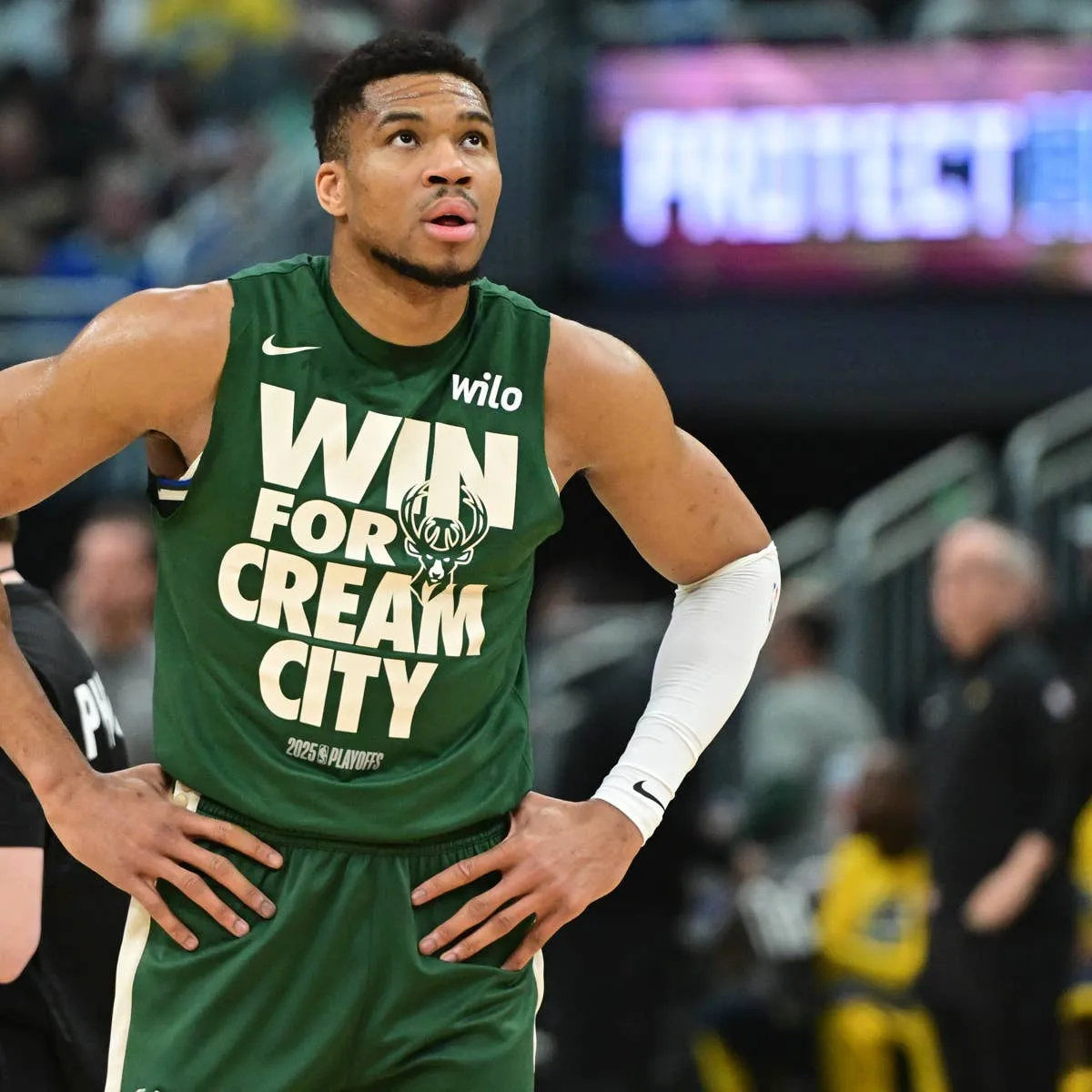 Photo: Giannis Antetokounmpo, via athlonsports.com
Andre Iguodala's move to the Golden State Warriors is one of the most celebrated veteran minimum-adjacent stories in modern basketball. An aging former All-Star who had seen better days statistically, Iguodala became the connective tissue of a dynasty. He won Finals MVP in 2015 — Finals MVP — while earning a fraction of what the Warriors' core stars were making. That's not just a bargain. That's a masterpiece.
More recently, players like Udonis Haslem in Miami and Vince Carter in his final seasons represented something beyond just basketball value — they were culture carriers, locker room anchors who kept younger players grounded when playoff pressure threatened to crack a roster.
What Teams Are Actually Buying
Here's the thing that gets lost in the conversation about veteran minimum deals: teams aren't just buying basketball skills. They're buying a whole package.
They're buying credibility. When a young player is struggling through his first playoff run, having a guy in the locker room who's been there — who's won, who's lost, who's felt that specific kind of pressure — is invaluable. Coaches can only say so much. But when a veteran looks a rookie in the eye and says I've been exactly where you are and here's how you get through it, that lands differently.
They're also buying accountability. Veterans on minimum deals aren't auditioning for their next big contract. They're playing for legacy, for a ring, for respect. That kind of motivation is incredibly clean. There's no ego noise, no contract posturing, no drama about usage rates. Just basketball.
The New Calculus of Roster Building
The salary cap era has forced general managers to become increasingly creative, and the veteran minimum market has become one of the most competitive arenas in the league. Teams are now scouting these signings the way they once scouted second-round draft picks — with film sessions, advanced conversations about fit, and genuine strategic intent.
The best franchises treat these deals like late-round NFL draft picks that could become starters. They're not just filling a roster spot. They're finding a specific piece for a specific puzzle.
And players are starting to understand their leverage in this equation, too. A veteran with a reputation for playoff performance, defensive versatility, and locker room leadership can actually have his pick of destinations at the minimum. The money might be the same everywhere, but the situation — and the chance to win — absolutely isn't.
The Bottom Line
In a league defined by superstar power and billion-dollar contracts, the veteran minimum deal has become one of basketball's most quietly electric stories. These are players who refused to accept that their best days were behind them, signing on for one more shot and then delivering in the moments that matter most.
The next time you're watching a playoff series and a 34-year-old nobody expected to be in the conversation makes the play that swings a game, remember: somebody saw that coming. Somebody signed that guy for a million dollars and knew exactly what they were getting.
That's not luck. That's genius wearing a bargain price tag.