Fifteen Minutes of Magic: How NBA Locker Rooms Become Championship War Rooms

The scoreboard reads 68-45. Your team just got outplayed, outshot, and frankly, embarrassed for 24 straight minutes. The home crowd is going wild, and ESPN's halftime crew is already writing your obituary. But here's the thing about the NBA that casual fans don't always realize: games aren't won in the first half. They're won in those sacred 15 minutes when locker room doors slam shut and champions are forged.
The Psychology of the Pivot
Walk into any NBA locker room at halftime when a team is down big, and you'll witness something remarkable. It's not panic. It's not finger-pointing. It's pure, calculated transformation. The best coaches in the world have mastered the art of turning those 900 seconds into momentum-shifting masterpieces.
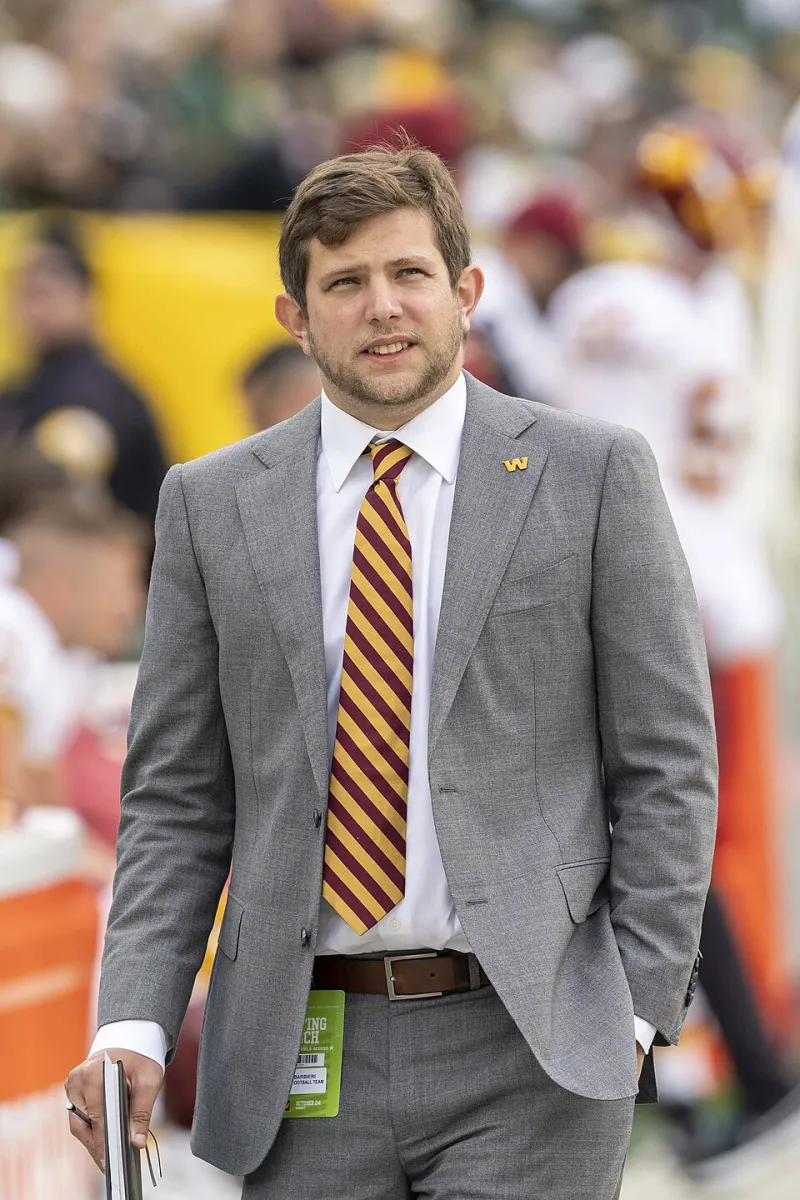
Take the 2022 Eastern Conference Finals, Game 6. Miami was getting demolished by Boston, trailing by 13 at the break in a must-win game. Erik Spoelstra didn't scream. He didn't throw chairs. Instead, he pulled out his tablet and showed his team exactly three defensive adjustments. By the fourth quarter, the Celtics looked like they'd never seen a basketball before, and Miami was heading to the Finals.
 Photo: Erik Spoelstra, via assets-global.website-files.com
"Halftime isn't about motivation speeches," says former NBA assistant coach Mike Hopkins. "It's about information warfare. You've got 15 minutes to download 24 minutes of intelligence and turn it into a weapon."
The Three-Step Formula
Every great halftime comeback follows the same blueprint, whether you're watching the Warriors, the Lakers, or that scrappy team from Indiana that nobody saw coming.
Step One: The Reality Check Forget the rah-rah speeches you see in movies. The first five minutes are pure analytics. Coaches break down what went wrong with surgical precision. Shot selection. Defensive rotations. Transition defense. It's not about blame—it's about solutions.
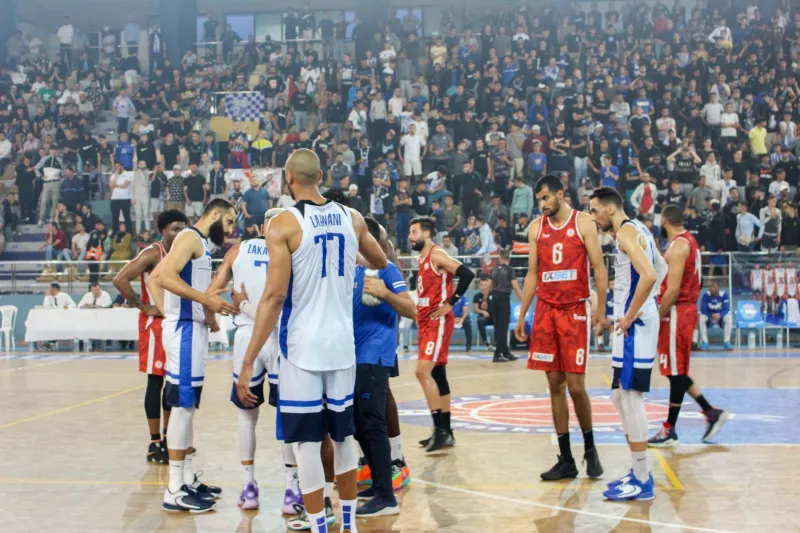
Step Two: The Adjustment This is where championship coaches earn their money. Maybe it's switching from man-to-man to zone defense. Maybe it's attacking a specific matchup the other team can't handle. The Golden State Warriors built a dynasty on halftime adjustments that turned Steph Curry into a fourth-quarter assassin.
 Photo: Golden State Warriors, via i.pinimg.com
Step Three: The Mindset Shift Here's where the magic happens. Players don't just learn new plays—they start believing in them. The energy changes. The body language transforms. Suddenly, that 20-point deficit feels like a speed bump instead of a mountain.
When Comebacks Become Legend
Remember the 2021 playoffs when the Clippers were down 25 points to the Jazz at halftime? Tyronn Lue made three simple adjustments: more aggressive pick-and-roll coverage, faster ball movement, and putting Reggie Jackson in attack mode. By the final buzzer, Utah looked shell-shocked and LA was heading to the Conference Finals.
Or take last season's Christmas Day thriller when the Lakers erased a 22-point halftime deficit against the Mavericks. Frank Vogel didn't reinvent basketball. He just reminded his team that Dallas was shooting 70% from three—a pace that was mathematically impossible to maintain. He was right. The Mavs shot 20% from deep in the second half.
The Players Who Thrive in Chaos
Some players are built for halftime adjustments. LeBron James has made a career out of reading defenses at the break and exploiting them after. Kawhi Leonard becomes a different player when coaches give him specific targets to attack. These aren't accidents—they're the result of basketball IQs so high they can process adjustments in real-time.
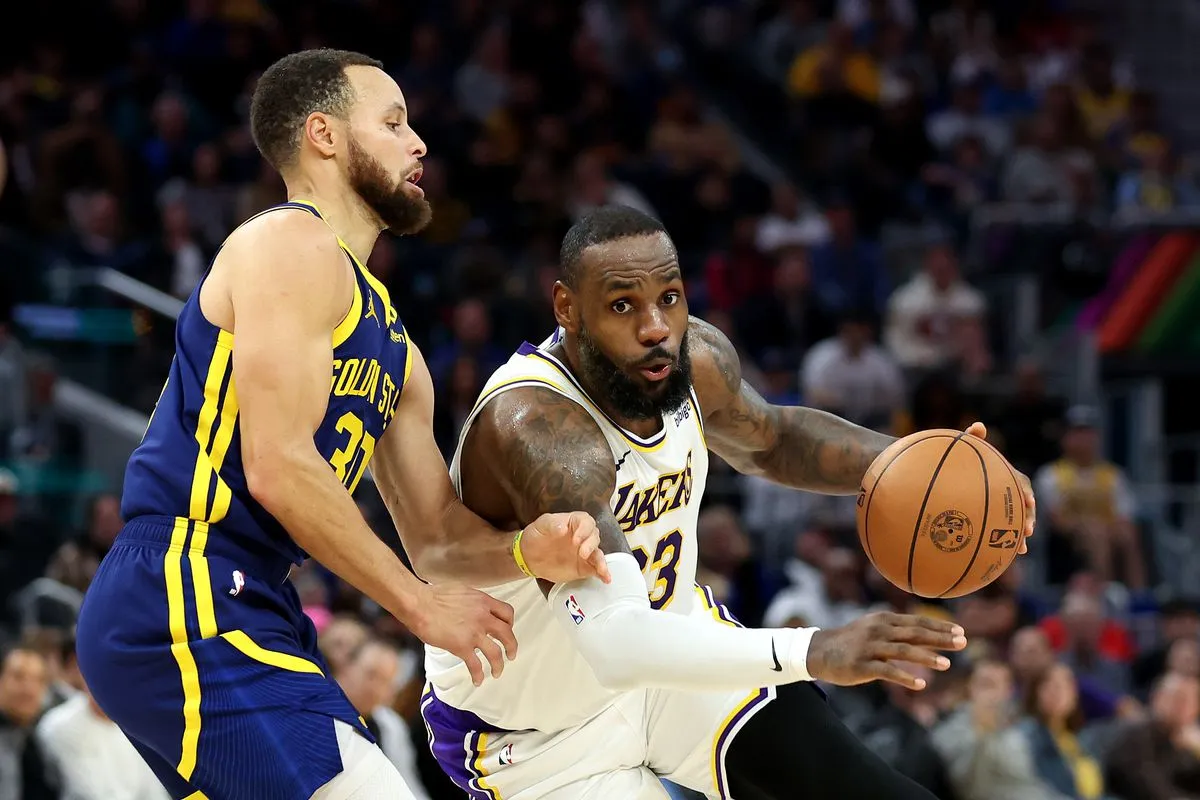 Photo: LeBron James, via cdn.vox-cdn.com
"The great players don't just listen to halftime adjustments," explains former NBA scout Ryan West. "They anticipate them. They're already thinking about what the other team will do differently, and how they can counter it."
The Modern Evolution
Today's NBA halftime experience looks nothing like it did even five years ago. Teams now use advanced video breakdowns, real-time analytics, and even virtual reality to show players exactly what they need to see. The Milwaukee Bucks' 2021 championship run was built on halftime adjustments so precise they could predict what plays opponents would run.
But technology only goes so far. The best halftime adjustments still come down to one thing: making players believe they can flip a 48-minute script in 24 minutes.
Why It Matters for Fans
The next time you're watching your team get blown out in the first half, don't reach for the remote. Don't start checking your phone. Instead, watch what happens when they come out of that locker room. Look for the subtle changes—the different defensive alignments, the new offensive sets, the body language that screams "we figured you out."
Because in the NBA, the most exciting games aren't the blowouts or the nail-biters. They're the ones where halftime becomes the turning point, where 15 minutes of strategic brilliance transforms certain defeat into championship magic.
That's the beauty of basketball at its highest level. Every game is really two games, and the better team at halftime adjustments usually gets to cut down the nets in June.