From Iron Mike to King James: How America's Greatest Athletes Earned Their Legendary Nicknames

When Names Become Legend
In American sports, your real name might get you drafted, but your nickname makes you immortal. Ask any fan about "His Airness," "The Great One," or "Broadway Joe," and they'll instantly know who you're talking about. These aren't just clever marketing gimmicks – they're cultural artifacts that capture everything we love about athletic greatness.
The best sports nicknames do more than identify a player. They tell a story, capture a personality, and sometimes define an entire generation of fans. They're the difference between being remembered and being legendary.
The Art of the Perfect Handle
Great nicknames aren't born in boardrooms or focus groups. They emerge organically from the raw truth of athletic performance. "The Mailman" Karl Malone delivered every night for two decades. "The Answer" Allen Iverson solved problems that seemed impossible. "The Big Fundamental" Tim Duncan won championships through perfect execution of basketball basics.
The most enduring nicknames capture something essential about how an athlete plays, thinks, or carries themselves. They're shorthand for greatness that fans can rally around and opponents learn to fear.
Basketball's Crown Jewels
Basketball might produce the best nicknames in sports, partly because the game's individual artistry lends itself to creative expression. Michael Jordan's "His Airness" perfectly captured his gravity-defying abilities and regal presence. When you could literally fly above the rim, what else would you be called?
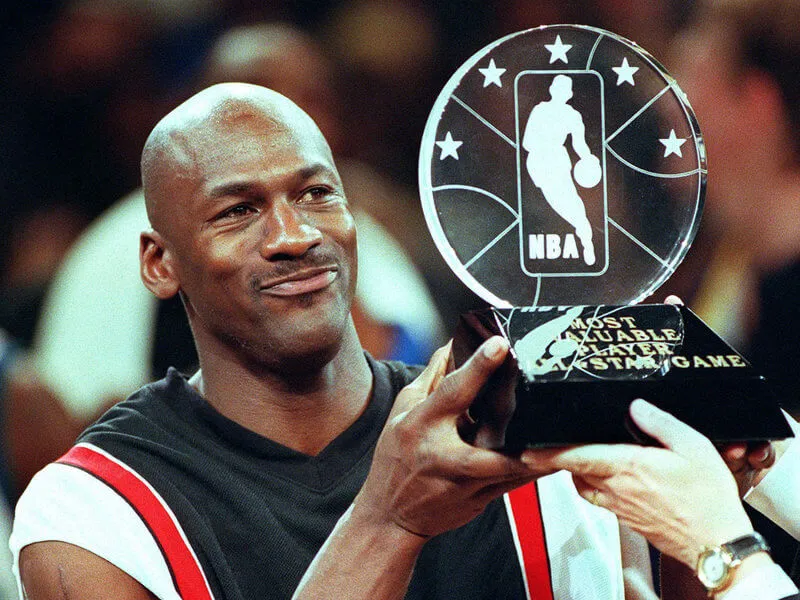 Photo: Michael Jordan, via extremenba.s3.amazonaws.com
"Magic" Johnson earned his nickname in high school, but it became prophetic. He made basketball look like sleight of hand, turning impossible passes into routine highlights. Meanwhile, "The Black Mamba" perfectly embodied Kobe Bryant's lethal precision and killer instinct.
LeBron James choosing "King James" was bold – crowning yourself before winning a championship takes confidence. But he backed it up with four titles and two decades of dominance. Sometimes the best nicknames are the ones athletes give themselves and then prove they deserve.
Football's Fearsome Monikers
Football nicknames often reflect the sport's physical brutality and tactical complexity. "The Minister of Defense" Reggie White brought both spiritual leadership and devastating pass rush skills. "Mean Joe" Greene was exactly what his nickname promised – a defensive force who struck fear into opposing offenses.
"Broadway Joe" Namath represented something different: swagger, style, and the confidence to guarantee victory in Super Bowl III. He proved that sometimes the best nicknames capture personality as much as performance.
More recently, "Beast Mode" Marshawn Lynch perfectly encapsulated a running style that seemed to defy physics and human endurance. When Lynch broke tackles, he wasn't just running – he was transforming into something unstoppable.
Baseball's Timeless Classics
Baseball's long history has produced some of the most enduring nicknames in sports. "The Babe" needs no last name – Babe Ruth transcended baseball to become an American icon. "The Iron Horse" Lou Gehrig played 2,130 consecutive games, earning a nickname that captured both his durability and his era's industrial spirit.
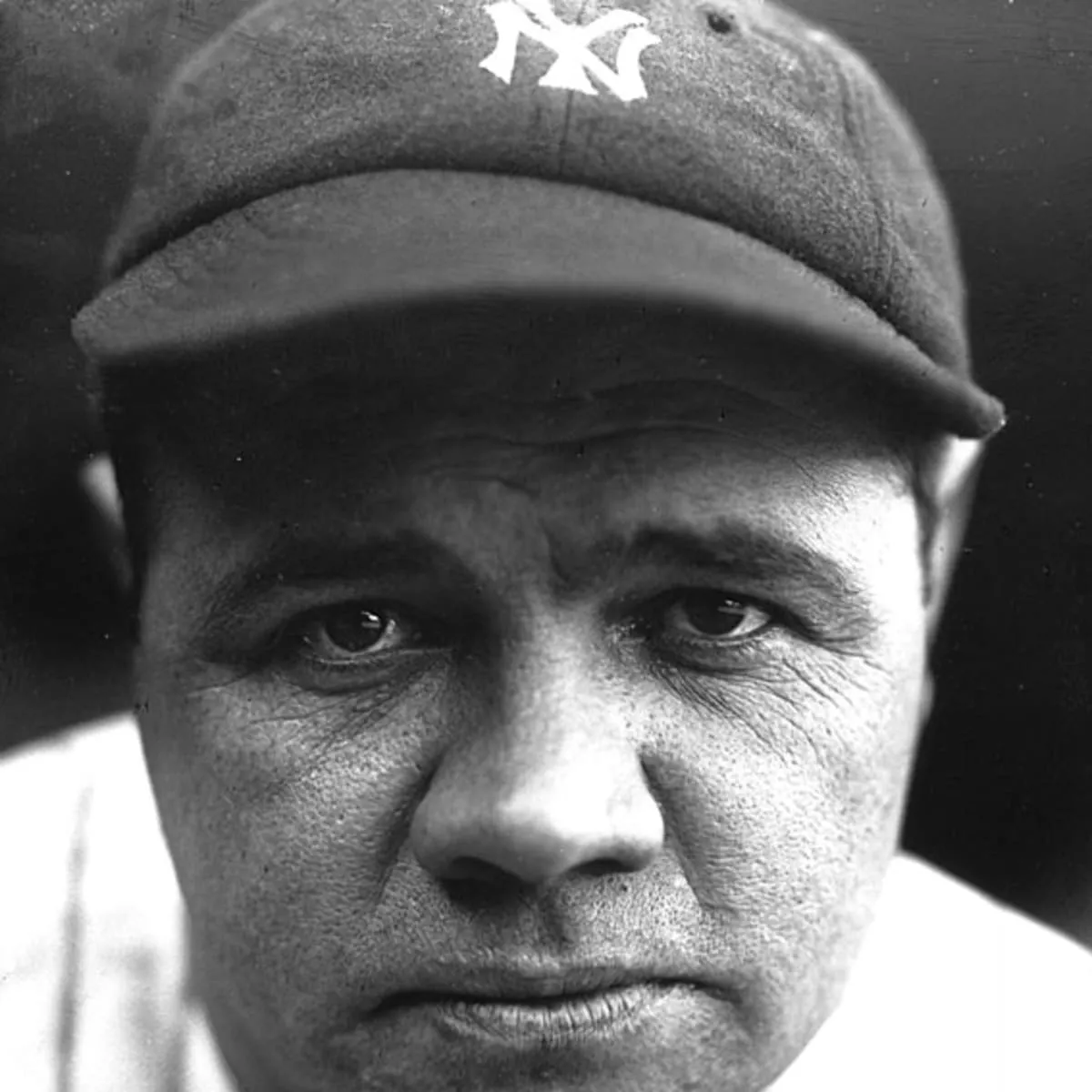 Photo: Babe Ruth, via www.si.com
"The Say Hey Kid" Willie Mays brought joy and athletic excellence together in a way that made baseball look like pure fun. "Mr. October" Reggie Jackson elevated his game when the stakes were highest, turning clutch performance into personal brand.
The Evolution of Athletic Identity
Nicknames have evolved alongside sports media and marketing. In the pre-television era, nicknames spread through newspapers and radio broadcasts. "The Galloping Ghost" Red Grange needed a handle that could capture his elusive running style for fans who might never see him play.
Today's nicknames must work across social media platforms, highlight reels, and global audiences. "The Greek Freak" Giannis Antetokounmpo has a nickname that's both descriptive and internet-friendly, perfect for the YouTube generation.
When Nicknames Backfire
Not every nickname attempt succeeds. Forced monikers that feel manufactured rarely stick. The best handles emerge naturally from authentic athletic moments or personality traits that fans can immediately recognize and embrace.
Some players reject their nicknames entirely. Dwight Howard never fully embraced "Superman," perhaps because the comparison felt too lofty. Other athletes lean into their handles so completely that they become inseparable from their identity.
The Marketing Machine
Modern sports have turned great nicknames into billion-dollar brands. "Air Jordan" became more than a player – it became a lifestyle company that still generates massive revenue decades after Jordan's retirement. "The King" isn't just LeBron's nickname; it's the foundation of a media empire.
This commercial success has created pressure to manufacture memorable monikers, but the best nicknames still can't be forced. They have to feel authentic to how an athlete actually plays and who they really are.
Cultural Impact Beyond Sports
The greatest sports nicknames transcend athletics to become part of American cultural vocabulary. "Going Broadway Joe" means backing up bold talk with performance. "Jordan-esque" describes any moment of transcendent individual excellence. "Beast Mode" has become shorthand for maximum effort in any field.
These handles prove that sports nicknames aren't just about athletes – they're about the stories we tell ourselves about greatness, personality, and what it means to be legendary.
The Next Generation
As sports continue to evolve, so will the art of the nickname. Today's young stars like "Luka Magic" Dončić and "Ja Morant" (still searching for the perfect handle) represent the next chapter in this tradition.
The best nicknames will always capture something essential about athletic excellence that numbers and statistics can't quantify. They're proof that in American sports, sometimes the most important thing isn't what you accomplish – it's what people call you while you're doing it.