Two Minutes, Infinite Drama: The Case for the NBA Crunch Time as America's Greatest Sports Spectacle
Two Minutes, Infinite Drama: The Case for the NBA Crunch Time as America's Greatest Sports Spectacle
Let's settle something right now.
You want the most dramatic two minutes in American sports? Not the final drive in an NFL game. Not the bottom of the ninth with the bases loaded. Not a shootout in overtime hockey. The most reliably, consistently, almost unfairly thrilling window of time in all of American sport is the final two minutes of a tight NBA game.
And it isn't particularly close.
Why Those 120 Seconds Feel Like 120 Hours
Here's the thing about NBA crunch time that casual fans sometimes miss: the clock is almost irrelevant. Two minutes on the game clock can take twenty real minutes to play out. Between timeouts, intentional fouls, free throw attempts, and the deliberate, grinding pace of late-game strategy, those final possessions unspool slowly — which is exactly what makes them so excruciating in the best possible way.
In football, the two-minute warning signals urgency but the game still moves at its own pace. In baseball, the ninth inning carries enormous weight but the drama is concentrated in individual at-bats with long stretches of nothing in between. Hockey's overtime is electric but chaotic — the decisive moment arrives suddenly and leaves just as fast.
The NBA crunch time is different. Every single possession in those final two minutes is a negotiation. Between the coaches on the sideline. Between the players on the floor. Between the team with the lead and the team trying to steal it. Between individual talent and collective strategy. You can see every decision being made in real time, and you can understand — even if you've never played a minute of organized basketball — exactly what's at stake on every play.
The Foul Game: Basketball's Chess Match
Nothing in American sport has a quite equivalent to the intentional foul strategy that defines late NBA games. When a team is down by a few points in the final minute, they start fouling — deliberately — to stop the clock and force the other team to earn their points at the free throw line. It's a tactical decision that turns the game into a math problem played out in real time.
And the math is genuinely suspenseful. A 90% free throw shooter suddenly carrying the weight of a game on their shoulders. A team needing to rebound the miss and score before time expires. The crowd counting every second. The bench up on its feet. The coach calling a timeout to either ice the shooter or draw up the next play — and sometimes both.
This is chess. Loud, sweaty, high-stakes chess played by some of the most gifted athletes on the planet. And it's happening right in front of you, every possession, with the whole thing potentially hinging on a single made or missed free throw.
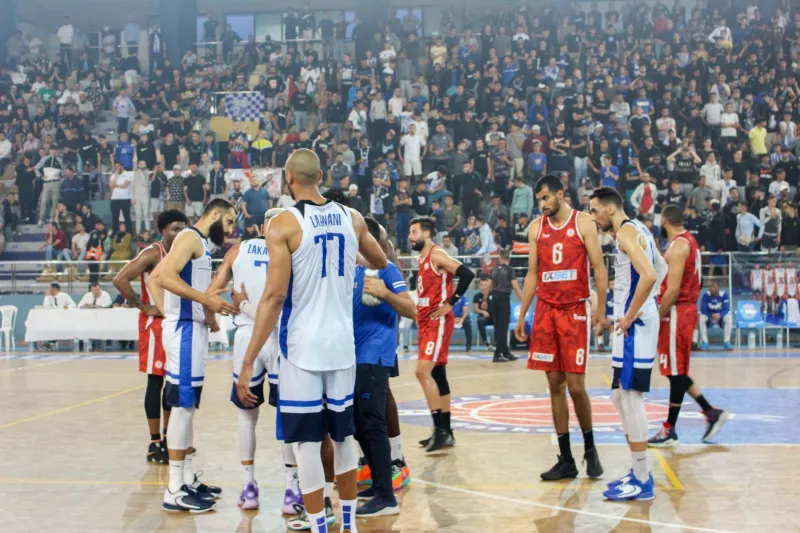
Timeout Theater
NBA coaches earn their money in crunch time. The late-game timeout — called with the ball in play, the arena at full volume, the shot clock winding down — is one of the most dramatically loaded moments in sport. The coach has maybe thirty seconds to draw up a play, calm five people who are running on pure adrenaline, and send them back out with a plan that accounts for what the other team is almost certainly going to do.
Sometimes it works perfectly. The play comes out of the timeout exactly as designed, the shot goes in, the building erupts. Sometimes the defense reads it completely and the offensive player has to improvise with two seconds left. Either way, the audience at home and in the arena is watching with the kind of focus that's almost impossible to manufacture artificially.
Recent playoff seasons have delivered timeout sequences that felt like full TV episodes compressed into sixty seconds. The 2016 Finals. The 2019 playoffs. The 2022 conference matchups that had people genuinely forgetting to breathe. The coaches — the Pops, the Kerrs, the Spoelstras — become almost as compelling as the players in those moments.
Where Heroes and Villains Are Born
Crunch time is where NBA reputations are built and occasionally destroyed. The player who demands the ball when everything is on the line and delivers — that moment lives forever. The player who hesitates, defers, or comes up short in the same situation — that moment lives forever too, just differently.
The list of players who own crunch time in the modern NBA is short and fiercely contested. Certain names come up repeatedly when the conversation turns to who you want with the ball in the final possession. Others — talented, accomplished players with legitimate careers — carry the unfair but persistent label of someone who disappears when the lights get brightest.
This is part of what makes those final two minutes so culturally significant. They're a crucible. A player can spend forty-six minutes of a game being largely anonymous and then do something in the final two that defines how they're remembered. The inverse is also true. The stakes are completely disproportionate to the time involved — and everyone watching knows it.
The Numbers Don't Lie
The NBA itself has leaned into this. The league's crunch time statistics — tracking performance in the final five minutes of games within five points — have become a genuine part of how players are evaluated and discussed. Fans who would never read a box score will argue about who performs best in the clutch with the kind of passion usually reserved for much bigger debates.
That's the mark of something that genuinely matters. When casual fans start caring about the data, you know the moments behind that data are resonating.
The Case Is Closed
Two minutes. One possession at a time. Every timeout a mini-drama. Every free throw a referendum on composure. Every defensive stop a potential turning point. Every offensive play a test of preparation, creativity, and nerve.
No other sport compresses this much genuine drama into this small a window. No other sport makes those final moments feel simultaneously inevitable and completely unpredictable. The NFL has its moments. Baseball has its mythology. But for pure, sustained, impossible-to-look-away intensity?
The NBA crunch time is the greatest show in American sport. Pull up a seat, don't touch your phone, and try to remember to breathe.