Beyond the Booth: How Alternative Sports Broadcasts Are Hooking America's Next Generation of Fans
Beyond the Booth: How Alternative Sports Broadcasts Are Hooking America's Next Generation of Fans
Forget everything you know about watching sports on TV. The days of stuffy play-by-play announcers and generic camera angles are dying faster than a poorly thrown interception. America's sports leagues have figured out what younger fans really want: authenticity, personality, and broadcasts that feel more like hanging out with friends than sitting through a lecture.
The Revolution Started with Two Brothers
It all began on a Monday night in 2021 when Peyton and Eli Manning decided to watch football the way most of us do at home—with running commentary, random tangents, and zero filter. ESPN's "ManningCast" wasn't supposed to change everything. It was just supposed to be fun.
 Photo: Eli Manning, via a.allegroimg.com
 Photo: Peyton Manning, via www.kalenderpedia.de
Then something incredible happened. While traditional Monday Night Football was losing viewers, the Manning brothers were pulling in millions of fans who'd rather hear Eli roast his brother's forehead than listen to another generic touchdown call. The secret sauce? They treated viewers like they were part of the conversation, not subjects in a broadcasting classroom.
"The ManningCast proved that sports fans don't want to be talked at," says media analyst Sarah Chen. "They want to feel like they're watching the game with people who actually get it."
Welcome to the Mic'd Up Era
While the Manning brothers were revolutionizing football commentary, the NFL was quietly conducting its own broadcast experiment. Remember the first time you heard a quarterback audibling at the line, crystal clear, with no censoring? That wasn't an accident—that was the league testing whether fans wanted more access to the real game.
Turns out, they absolutely did.
Now we're getting mic'd up moments that make highlight reels. Travis Kelce trash-talking defensive backs. Aaron Donald grunting through pass rushes. Tom Brady's retirement-unretirement saga played out in real-time audio that made fans feel like they were inside the huddle.
 Photo: Travis Kelce, via www.curro.co.za
The NBA jumped on board too. Their "Mic'd Up" segments during nationally televised games have given us everything from Steph Curry's pregame warmup routines to Giannis Antetokounmpo's mid-game motivational speeches. It's not just entertainment—it's access that makes fans feel connected to their heroes in ways that traditional broadcasts never could.
The All-22 Game Changer
For football nerds, the NFL's decision to make "All-22" camera angles available to fans was like Christmas morning. Instead of being stuck with whatever the broadcast director thought was important, fans could finally see the chess match happening across the entire field.
Suddenly, casual viewers started understanding why certain plays worked or failed. They could see receivers running perfect routes that never got the ball. They could watch defensive coordinators' schemes unfold in real-time. It turned every fan into an amateur scout, and the engagement numbers proved it was exactly what people wanted.
Celebrity Chaos That Actually Works
Remember when having celebrities in the broadcast booth was usually a disaster? Those days are over. The new generation of alternative broadcasts has figured out how to use celebrity guests as authentic enhancers rather than awkward distractions.
The Manning brothers regularly host everyone from Charles Barkley to Russell Wilson, but they're not there to plug movies or pretend they understand football strategy. They're there to react like real fans, ask questions that viewers actually want answered, and provide the kind of genuine moments that make social media explode.
Apple TV's "Friday Night Baseball" took a different approach, bringing in celebrities who are legitimate baseball fans. When Kevin Hart starts breaking down why a certain pitch sequence worked, it doesn't feel forced—it feels like a conversation you'd have with your most passionate baseball buddy.
Why Gen Z Is Tuning Back In
Here's the thing traditional broadcasters didn't understand: younger fans don't want to be educated about sports they already love. They want to be entertained by people who love those sports as much as they do.
That's why Amazon's "Thursday Night Football" alternative broadcasts work. That's why ESPN's "StatCast" baseball broadcasts have found an audience. These aren't just different camera angles or celebrity cameos—they're fundamentally different approaches to sports consumption that match how younger audiences actually want to engage with content.
"Traditional sports broadcasting was built for an era when you had three TV channels and no choice," explains digital media strategist Marcus Rodriguez. "Now fans have infinite options, so broadcasters have to earn their attention every single minute."
The Technology Behind the Magic
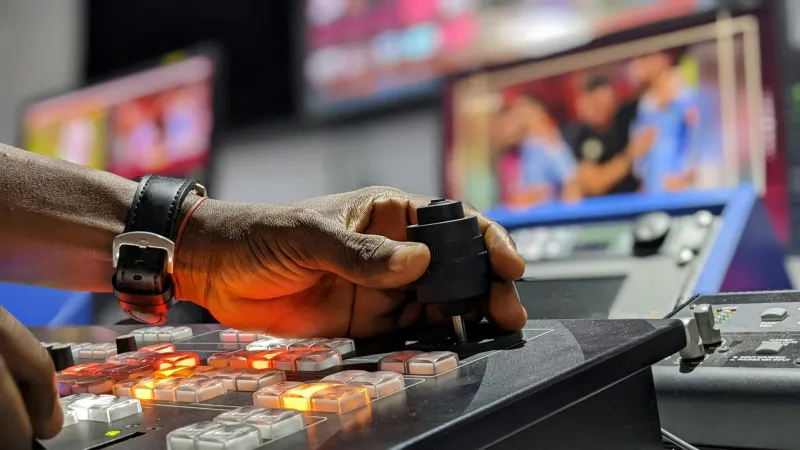
The broadcast revolution isn't just about personalities—it's powered by technology that would have seemed impossible just a few years ago. Real-time player tracking data lets viewers see how fast receivers are running. Advanced camera systems provide angles that make you feel like you're on the field. Augmented reality graphics can show you exactly where a quarterback should have thrown the ball.
But here's the brilliant part: the best alternative broadcasts use this technology to enhance the human element, not replace it. When Tony Romo predicts a play before it happens, the graphics prove he was right. When the Manning brothers debate whether a coach should go for it on fourth down, the probability stats back up their argument.
What's Coming Next
We're still in the early stages of this broadcast revolution. Virtual reality experiences are letting fans feel like they're sitting courtside at NBA games. Interactive features are allowing viewers to choose their own camera angles in real-time. Some networks are experimenting with fan commentary tracks where viewers can hear reactions from watch parties across the country.
The leagues are paying attention too. The NBA is testing broadcasts specifically designed for mobile viewing. The NFL is exploring personalized audio options where fans can choose to hear more from offensive coordinators or defensive players.
The Bottom Line for Fans
This broadcast revolution isn't just about fancy technology or celebrity guests—it's about giving fans what they've always wanted: to feel closer to the games they love. Whether it's hearing what players are really thinking, getting insider analysis that actually makes sense, or just watching sports with personalities who make you laugh, these alternative broadcasts are proving that the future of sports viewing is about connection, not just consumption.
The traditional broadcast booth isn't dead, but it's definitely not the only game in town anymore. And for fans who want their sports viewing experience to feel as dynamic and engaging as the games themselves, that's exactly the kind of game-changing innovation worth cheering for.