Swipe Right on Sports: How Gen Z Athletes Are Changing What It Means to Be a Fan
There was a time when getting to know a professional athlete meant reading a feature in Sports Illustrated, catching a carefully managed interview on ESPN, or buying a biography that had been vetted by seventeen PR people before it hit shelves. The athlete existed at a distance — larger than life, curated, untouchable.
That time is over.
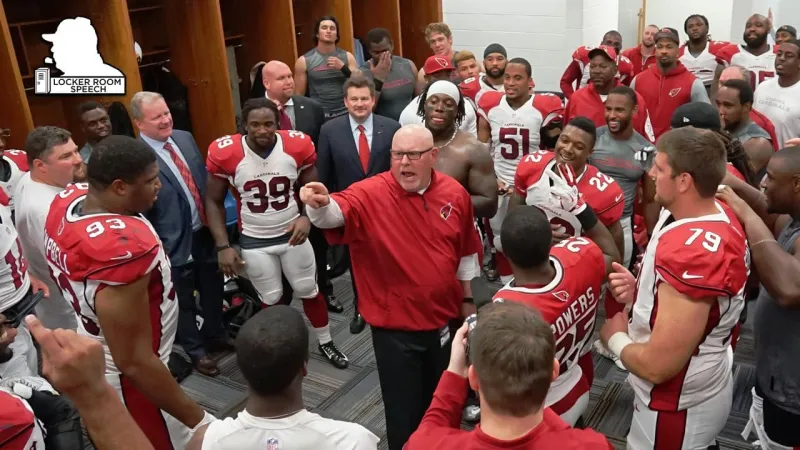
Today's youngest professional athletes don't just compete. They broadcast. They post. They go live from the locker room, film themselves in the gym at midnight, and respond to fan comments in real time. And in doing so, they've fundamentally changed the relationship between sports and the people who watch it.
The Death of the Pedestal
Gen Z athletes grew up with social media the same way previous generations grew up with television. It's not a tool they adopted — it's the environment they were raised in. And when they turned professional, they brought those habits with them.
The result is a generation of athletes who are radically more accessible than their predecessors. Not in a manufactured, brand-approved way, but in a genuinely unfiltered way that older fans sometimes find jarring and younger fans find completely natural.
Caitlin Clark became a cultural phenomenon not just because of what she did on a basketball court — though that was extraordinary — but because fans felt like they knew her before she even played her first professional minute. Her college career had been documented, dissected, and celebrated across every social platform, and by the time she turned pro, she wasn't a stranger to millions of fans. She was someone they'd been following for years.
That's the new template. And it's spreading fast.
TikTok Changed the Game Before the Whistle Blew
The platform that has done the most to reshape how fans discover athletes isn't ESPN's app or the NFL's YouTube channel. It's TikTok.
Short-form video has a unique ability to surface personality in a way that traditional sports media never could. A fifteen-second clip of a college basketball player dancing before a game, or an NFL lineman showing off his cooking skills, or a tennis player doing a dead-on impression of their coach — these moments travel further and faster than any highlight reel.
And they attract fans who might never have watched the sport otherwise.
That's the part traditional sports media keeps underestimating. The casual fan who discovers an athlete through a viral TikTok isn't just gaining a new favorite personality — they're gaining an entry point into a sport. They start watching games because they want to see that person succeed. They check scores because they're invested in someone, not just a team. The athlete becomes the gateway.
Several NFL teams have quietly recognized this and started encouraging younger players to build their own platforms. The math isn't complicated: a player with two million TikTok followers is bringing two million potential new viewers to the broadcast. That's marketing money can't fully buy.
Playing for the Camera — And Why That's Not a Bad Thing
Older sports fans sometimes push back on this shift with a familiar complaint: these kids are more interested in their follower count than their field goal percentage. They're playing for the camera, not the game.
It's a criticism worth taking seriously — and then largely setting aside.
The data doesn't support the idea that social media savvy comes at the expense of athletic performance. Many of the most digitally active young athletes in major American sports are also among the most competitive, most prepared, and most coachable players on their rosters. The two things aren't mutually exclusive, and treating them as if they are says more about generational bias than actual evidence.
What is true is that Gen Z athletes have a different relationship with their public persona than athletes from previous generations. They don't separate the competitor from the content creator — because to them, those things were never separate to begin with. They've been building an audience since high school. By the time they reach the pros, managing that audience is as natural as managing their sleep schedule.
What Traditional Sports Media Is Missing
Here's the uncomfortable truth for legacy sports broadcasters: the way they cover athletes is increasingly out of step with how fans — especially younger ones — want to connect.
The post-game press conference, where a player gives the same five answers they've given a hundred times before, is almost entirely performative at this point. The player knows it. The reporter knows it. And increasingly, the fan knows it too. Meanwhile, that same player might have posted a raw, unscripted reaction video on their Instagram story thirty seconds after the final buzzer that told fans more about who they actually are than any press conference ever could.
Some media outlets are adapting. The Athletic's long-form player profiles often lean into the personal and the authentic in ways that resonate with younger readers. Uncut podcast formats where athletes talk at length — without a PR handler in the room — consistently outperform traditional interview formats on streaming numbers.
But the gap between what traditional sports media offers and what Gen Z athletes are putting out on their own channels is still enormous. And every year it grows a little wider.
The Fan Experience Has Been Rebuilt From Scratch
Fandom used to mean watching games, buying merchandise, and maybe attending a live event if you could afford it. The relationship was essentially one-directional: the sport broadcast, the fan received.
For younger fans today, that's barely a starting point. They follow athletes across multiple platforms, engage with content between games, participate in fan communities that operate 24/7, and feel a genuine sense of personal connection to athletes they've never met in person.
This isn't parasocial delusion — it's a new model of fandom that Gen Z athletes have actively cultivated. And it's creating a level of fan loyalty that teams and leagues are only beginning to understand how to leverage.
The athletes who figure out how to be authentic, entertaining, and competitive all at once aren't just winning games. They're winning fans for life. And in a sports landscape where the competition for attention has never been fiercer, that might be the most valuable skill of all.