Why Playing at Home Really Does Feel Like a Superpower — And the Science Behind It
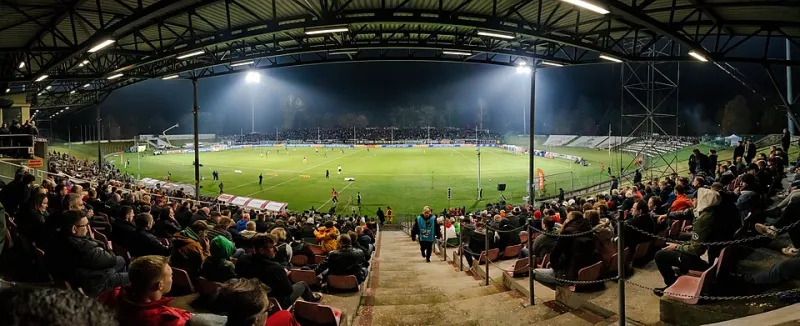
Photo: Krzysztof Popławski, CC BY 4.0, via Wikimedia Commons
There's a moment in every home playoff game — that split second when the crowd goes absolutely nuclear, when the noise becomes something physical, something you can feel in your chest — where it stops feeling like a sporting event and starts feeling like something else entirely. Something primal.
Fans have always known that playing at home matters. Players have always said it matters. Coaches build entire game plans around it. But for a long time, the sports world kind of just accepted home field advantage the way you accept weather — as a real thing that nobody fully understood.
Not anymore. Researchers, psychologists, and sports scientists have spent the last two decades digging into exactly why home teams win more, perform better, and seem to find extra gears when their own fans are screaming. And what they've found is genuinely fascinating — even if you've never set foot in a lab in your life.
The Numbers Don't Lie
Before we get into the why, let's just appreciate how consistent this phenomenon actually is across American sports.
In the NFL, home teams have historically won roughly 57 percent of regular season games. In the NBA, that number climbs closer to 60 percent. MLB sits around 54 percent. College football and basketball — where crowd intensity can border on the genuinely unhinged — push those numbers even higher in certain venues.
That might not sound dramatic, but consider the math. If home and away were truly equal, you'd expect something close to a 50-50 split. The consistent gap across every major sport, over decades of data, tells you that something real is happening. Something beyond just familiarity with the locker room.
Your Brain on Crowd Noise
Here's where it gets interesting. When athletes perform in front of massive, supportive crowds, their bodies actually respond differently than in quiet or hostile environments.
Studies have shown that crowd support triggers measurable changes in adrenaline levels, which can sharpen reaction times and increase physical output in short bursts — exactly the kind of performance spikes that matter in a fourth-quarter drive or a late-game possession. Home athletes have been observed showing elevated testosterone levels before competition compared to away athletes in the same game. In simple terms: your body chemistry shifts when your crowd is behind you.
There's also something called social facilitation — a well-documented psychological effect where people perform practiced skills better when others are watching and cheering. For elite athletes who have drilled their craft for thousands of hours, a roaring crowd can actually sharpen execution rather than create pressure. The crowd becomes a fuel source.
Conversely, away teams are fighting a different battle entirely. Hostile crowd noise has been shown to elevate cortisol — the stress hormone — which can impair decision-making under pressure. That's not a small thing when you're a quarterback trying to read a defense in the final two minutes, or a point guard calling a play over the roar of 20,000 people who want you to fail.
The Referee Effect Nobody Likes to Talk About
Okay, this one is uncomfortable, but the research is too consistent to ignore.
Multiple independent studies across different sports and different countries have found that referees and officials are subtly influenced by crowd reactions, even when they're trying hard not to be. One landmark study examining thousands of soccer matches found that home teams received significantly fewer yellow cards and more favorable foul decisions than away teams — even after controlling for actual playing style.
Similar patterns have been identified in NBA officiating data. Home teams tend to get to the free throw line slightly more often. Borderline calls tend to go the home team's way at a measurable rate. Nobody is suggesting referees are deliberately cheating — the effect appears to be entirely unconscious. But when 18,000 people simultaneously groan at a call, that's an enormous amount of social pressure landing on one person with a whistle.
The effect is even more pronounced in venues with unusual crowd proximity to the court or field. When fans are close enough to make direct eye contact with officials, the bias amplifies. It's human nature, and it's playing out on sports' biggest stages every single weekend.
The Venues That Amplify Everything
Not all home advantages are created equal. Certain venues have developed almost mythological reputations for tilting outcomes, and the science suggests those reputations are earned.
Arrowhead Stadium in Kansas City consistently registers as one of the loudest outdoor venues on the planet. During big playoff games, crowd noise there has been measured at levels that approach the threshold for temporary hearing damage. The Kansas City Chiefs' home playoff record is extraordinary, and while Patrick Mahomes deserves enormous credit, the noise wall that greets opposing offenses every January afternoon is a genuine weapon.
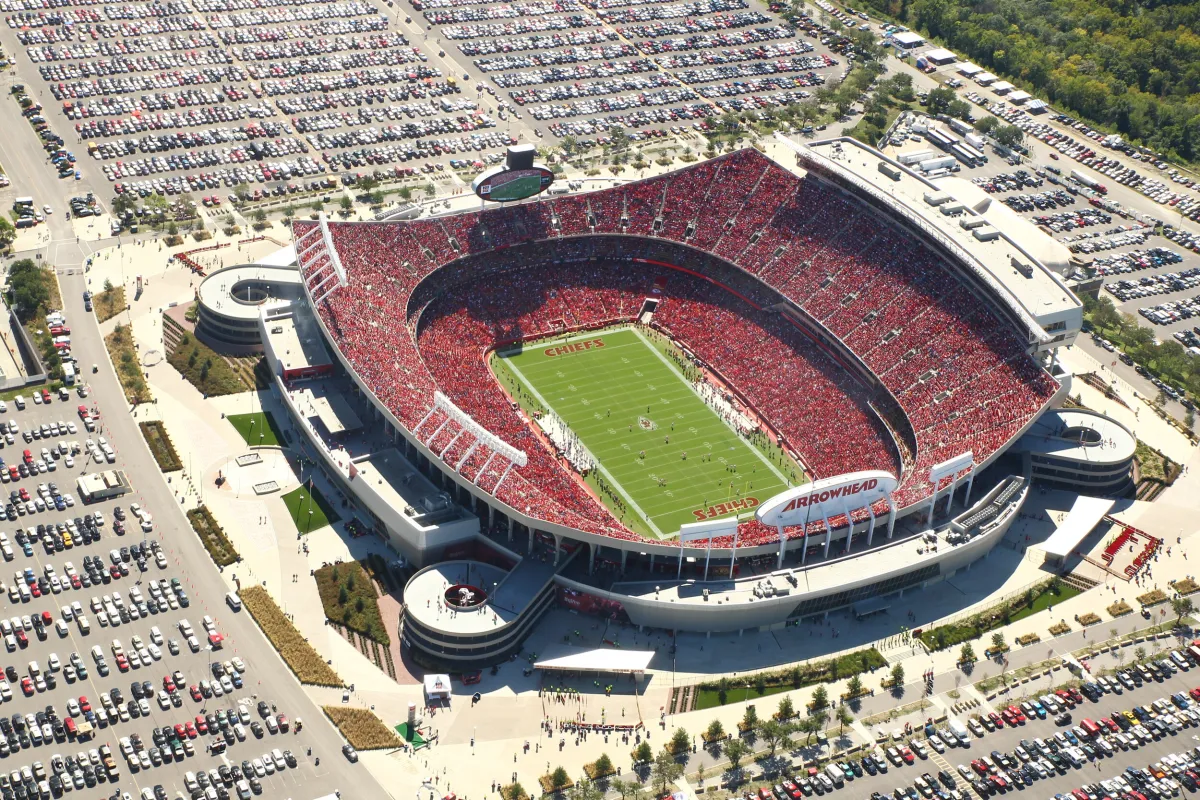 Photo: Arrowhead Stadium, via images.squarespace-cdn.com
In the NBA, the old Oracle Arena in Oakland — home of the Golden State Warriors dynasty — became infamous for its sound levels. Players on opposing teams openly talked about the difficulty of communicating on the court. Play calls become impossible. Hand signals replace words. The home team, already fluent in a kind of silent on-court language built through thousands of hours of practice together, holds a massive communication advantage.
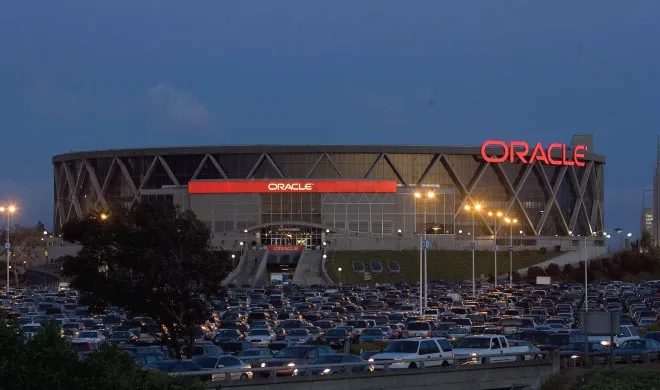 Photo: Oracle Arena, via www.oaklandarena.net
College basketball venues take this to another dimension entirely. Cameron Indoor Stadium at Duke, Allen Fieldhouse in Kansas, and Rupp Arena in Kentucky aren't just loud — they're designed to be psychologically overwhelming. Students camp out for days to earn the best seats. The crowds are young, deeply invested, and relentlessly hostile to visitors. The home win percentages at these venues are staggering, and they've been that way for decades.
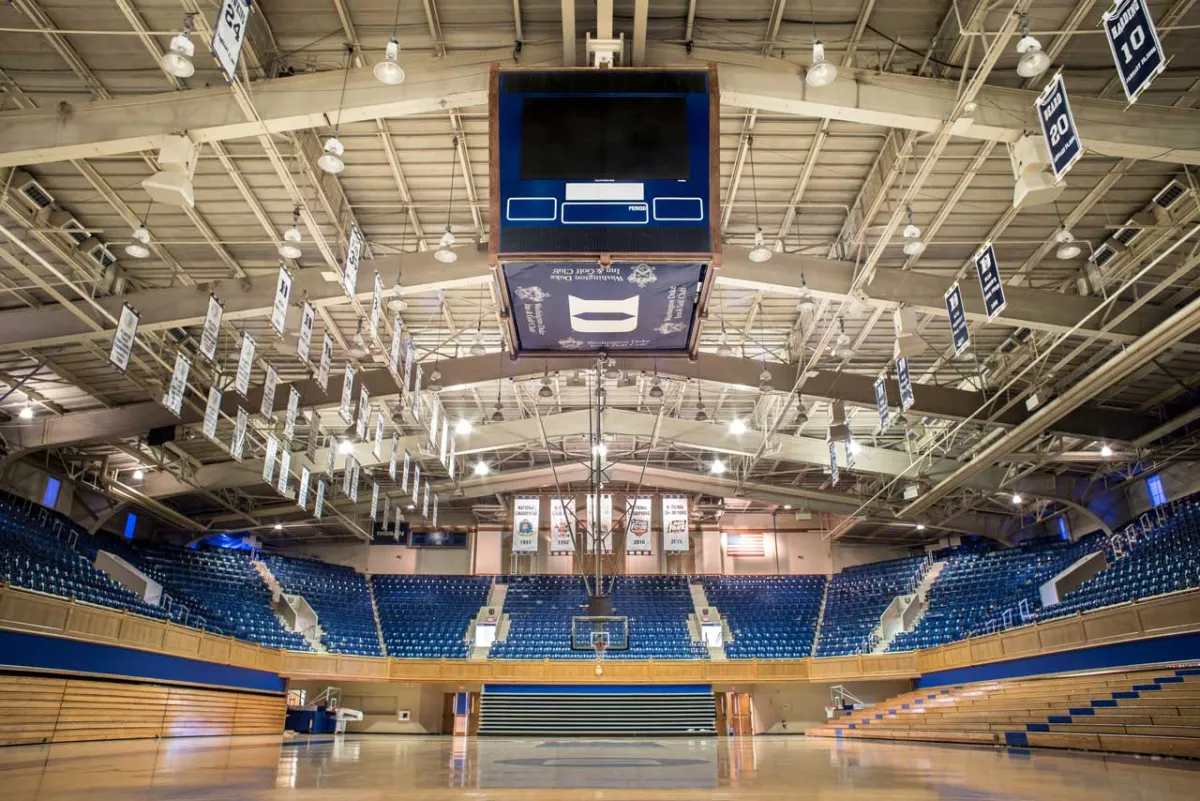 Photo: Cameron Indoor Stadium, via atlanticsignmedia.com
What This Means for How You Watch
Here's the fun part — knowing all of this actually changes the way you experience a game.
Next time you're watching your team at home and the crowd erupts after a big defensive stop, you're not just watching a celebration. You're watching a biological event. Adrenaline is spiking. Decision-making is sharpening. The visiting offense is getting slightly more stressed. And somewhere, a referee is absorbing 20,000 opinions about the last call.
Home field advantage isn't a myth, a cliché, or a convenient excuse. It's a real, measurable, multi-layered force that operates on athletes, officials, and fans simultaneously. It's one of the most genuinely human things about sport — the idea that showing up, making noise, and believing loudly enough can actually change the outcome of a game.
So the next time someone tells you that cheering doesn't matter, that fans don't actually affect what happens on the field, you can smile and tell them the science disagrees.
Loudly.