Your Remote, Their War: How the Streaming Giants and TV Networks Are Fighting Over Your Sports and What It Costs You

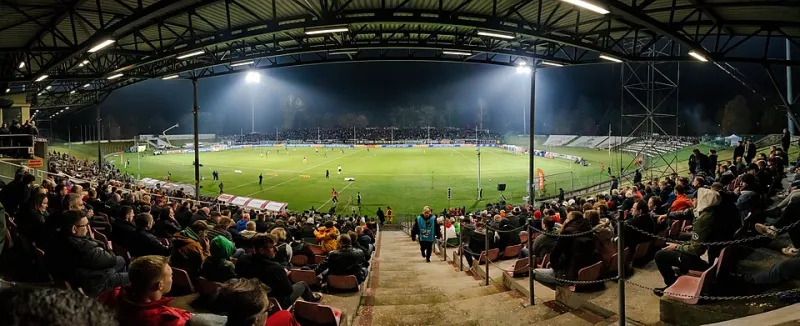
Photo: Nationaal Archief, CC0, via Wikimedia Commons
Not long ago, watching the big game was simple. You turned on the TV, found the right channel, grabbed some snacks, and settled in. Maybe you had cable, maybe you had an antenna, but the game was there. It was accessible. It was shared.
That world is disappearing fast.
Right now, in boardrooms far removed from any stadium or arena, some of the most powerful companies in American media are fighting an increasingly expensive, increasingly complicated war over who gets to show you sports. And the outcome of that war is going to change everything about how you watch — and how much you pay to do it.
The Numbers Are Staggering
Let's put the scale of this thing in perspective. The NFL's current broadcast deals — spread across CBS, NBC, Fox, ESPN/ABC, Amazon Prime Video, and YouTube TV — are worth somewhere in the neighborhood of $110 billion over 11 years. That's not a typo. One hundred and ten billion dollars.
The NBA recently finalized a new rights package worth approximately $76 billion over 11 years, bringing Amazon Prime Video and NBC into the mix while ESPN retained a portion of its deal. MLB, college football, the NCAA Tournament — all of them are locked in similar battles, with streaming platforms throwing money at rights packages that would have seemed absurd even a decade ago.
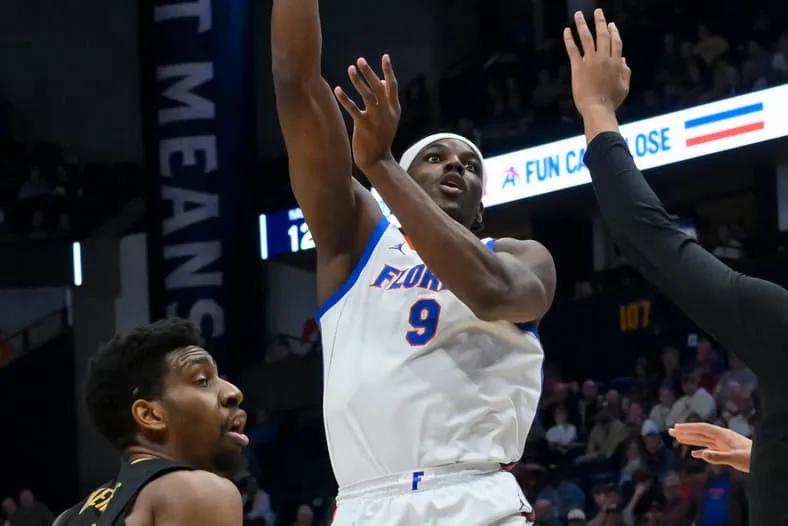 Photo: NCAA Tournament, via media.sportsnaut.com
Why? Because live sports is the last thing people actually watch live. In a world of DVRs, Netflix, and on-demand everything, a Sunday Night Football game or an NBA playoff matchup is one of the few events that still pulls massive simultaneous audiences. That makes sports rights the most valuable commodity in all of television — and everyone wants a piece.
What This Actually Means for Your Sunday Afternoon
Here's where it gets real for everyday fans.
The fragmentation of broadcast rights means that watching a full season of your favorite sport increasingly requires multiple subscriptions. Want to catch every NFL game? You might need a traditional cable or satellite package for the network games, a separate ESPN+ or ABC subscription for Monday Night Football, and an Amazon Prime subscription for Thursday Night Football. Miss one of those? You miss games.
The NBA's new deal makes things even more complicated. NBC is back in the mix for the first time since 2002, which sounds great until you realize that means games are now spread across Peacock (NBC's streaming platform), Amazon, and ESPN/ABC. For fans who cut the cord thinking they were simplifying their lives, the new reality is a subscription stack that can easily run $60 to $80 a month before you've even thought about the actual cable bill.
College football has the same problem. Between ESPN, ESPN+, ABC, Fox, CBS, and various conference-specific streaming services, following a team through a full season can feel like navigating a maze designed by someone who actively dislikes you.
The Paywall Question Nobody Wants to Answer
The most uncomfortable conversation happening right now in sports media circles is whether major games will eventually move entirely behind streaming paywalls — no free over-the-air option, no basic cable access, just a subscription or you miss it.
We're not fully there yet. Federal regulations and long-standing tradition have kept the Super Bowl, the World Series, and certain other marquee events on free broadcast television. But the pressure is building. Amazon's Thursday Night Football package is already exclusively streaming, meaning anyone without a Prime subscription simply doesn't get those games. Peacock made headlines when it carried a playoff NFL game exclusively in 2024, forcing millions of fans to either subscribe or miss the action.
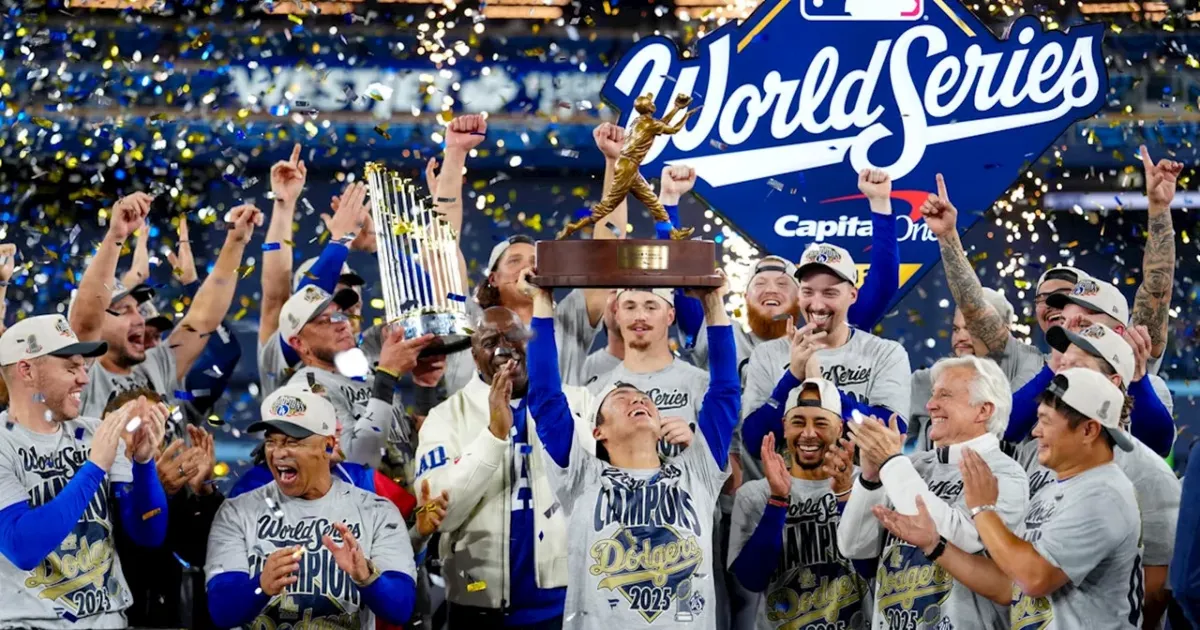 Photo: World Series, via i.headtopics.com
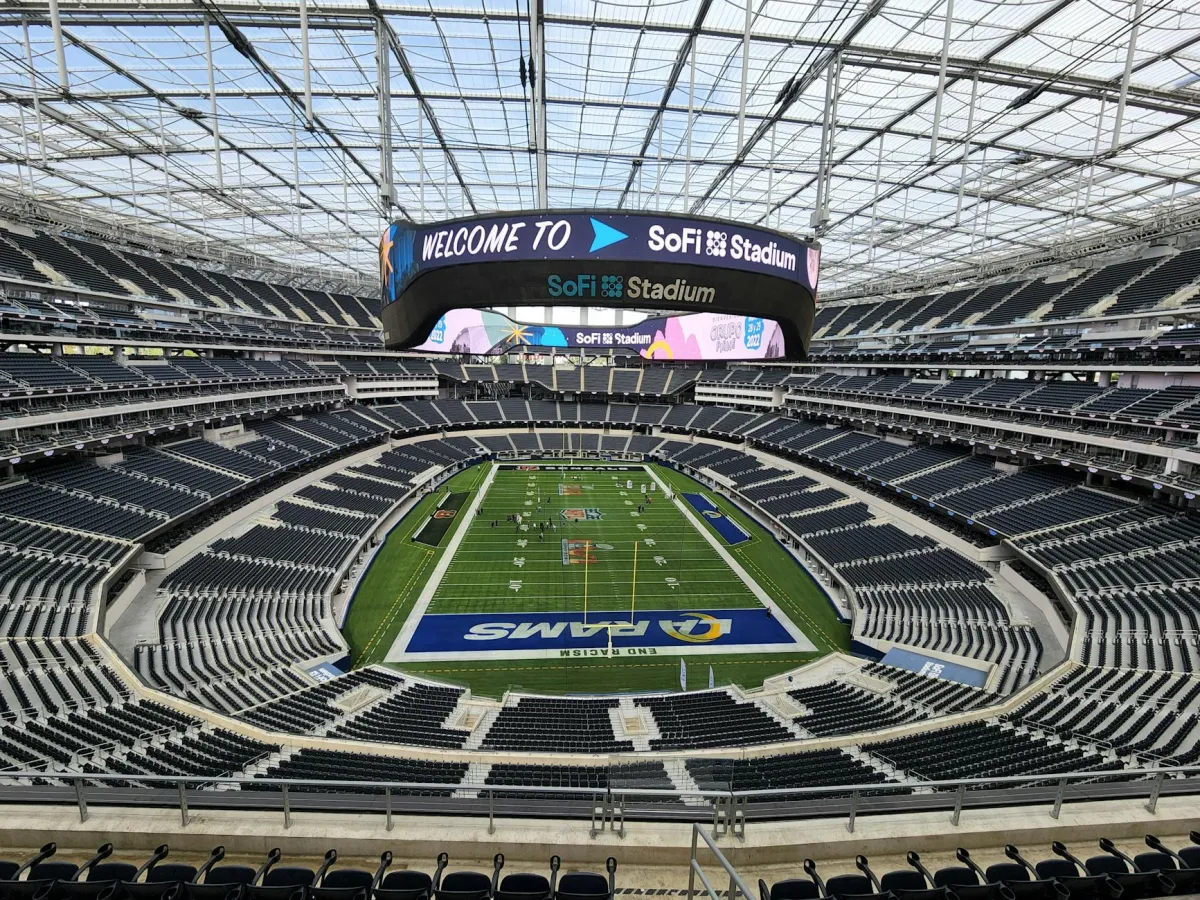 Photo: Super Bowl, via footballness.com
The trend line is clear. As streaming platforms pay more for rights, they need exclusive content to justify those costs to their subscribers. That means more games moving behind paywalls, not fewer.
Who Wins and Who Gets Left Behind?
For younger fans who already live in a streaming-first world, some of this transition feels natural. If you're already paying for Prime, getting Thursday Night Football as part of that package seems like a reasonable deal. Streaming platforms also offer genuinely better viewing experiences in some ways — multiple camera angles, enhanced stats, more flexible viewing on any device.
But for older fans, lower-income households, and anyone living in an area with unreliable internet, the shift is genuinely punishing. A family that used to watch every game with a basic cable subscription now faces a subscription landscape that can cost twice as much for the same access. In rural communities where broadband infrastructure is still limited, streaming-exclusive games might as well not exist.
There's also the social dimension. Part of what makes live sports powerful is its shared nature — the fact that millions of people are watching the same moment at the same time and talking about it together. Fragmentation chips away at that. When a third of your office can't see the game because they don't have the right subscription, the water cooler conversation the next morning loses something.
Is There Any Good News?
Honestly? A little. Competition between platforms has occasionally driven better deals for consumers — bundling options, free trials, and promotional pricing have made some of the new services more accessible than they might otherwise be. Disney's bundling of Disney+, Hulu, and ESPN+ is one example of an attempt to simplify the landscape, even if it's still an imperfect solution.
There's also growing pressure from fans, lawmakers, and sports leagues themselves to ensure that major events remain accessible to broad audiences. The NFL, in particular, has historically been protective of its broadcast reach, understanding that accessibility is a core part of the sport's cultural dominance.
But the honest answer is that the war being fought right now in those boardrooms is not primarily about you. It's about revenue, market share, and subscriber numbers. Your experience as a fan is a secondary consideration at best.
The Bigger Picture
American sports have always been a shared experience — something that crosses income levels, zip codes, and backgrounds. The concern isn't just financial. It's cultural. If watching the Super Bowl or the NBA Finals becomes a luxury reserved for those who can afford the right bundle of subscriptions, something genuinely important gets lost.
The games aren't changing. The athletes are still incredible. The moments are still electric. But the question of who gets to witness those moments in real time — and how much they have to pay for the privilege — is being answered right now by executives in rooms most fans will never see.
Pay attention. Because the remote in your hand is exactly what they're fighting over.