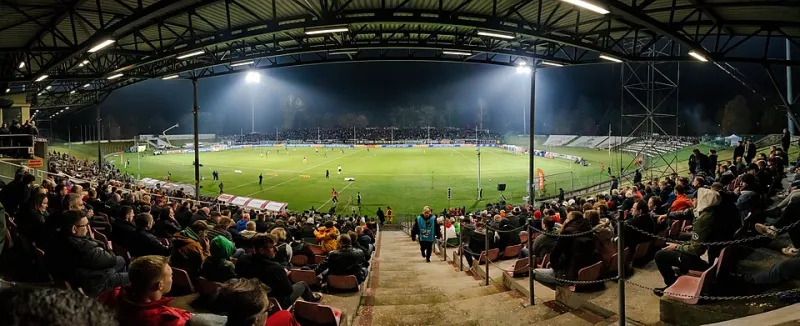
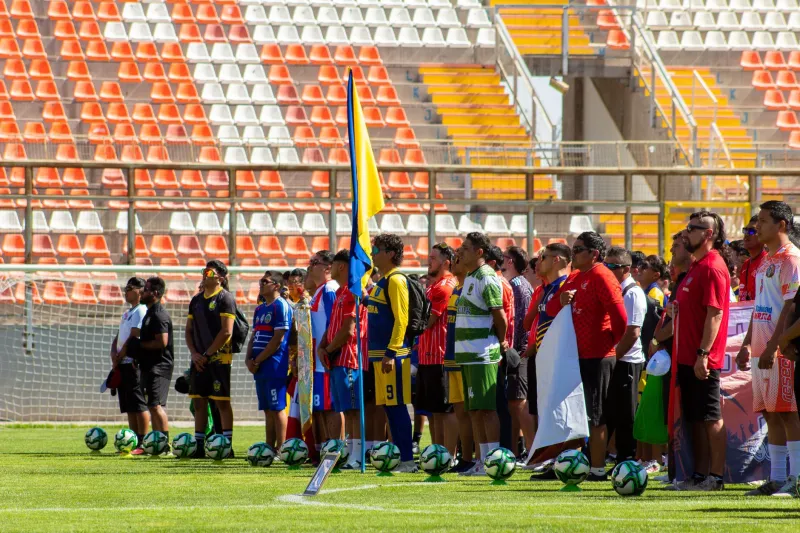
Cornfields and Champions: The Small-Town MMA Gyms Quietly Producing America's Next UFC Stars
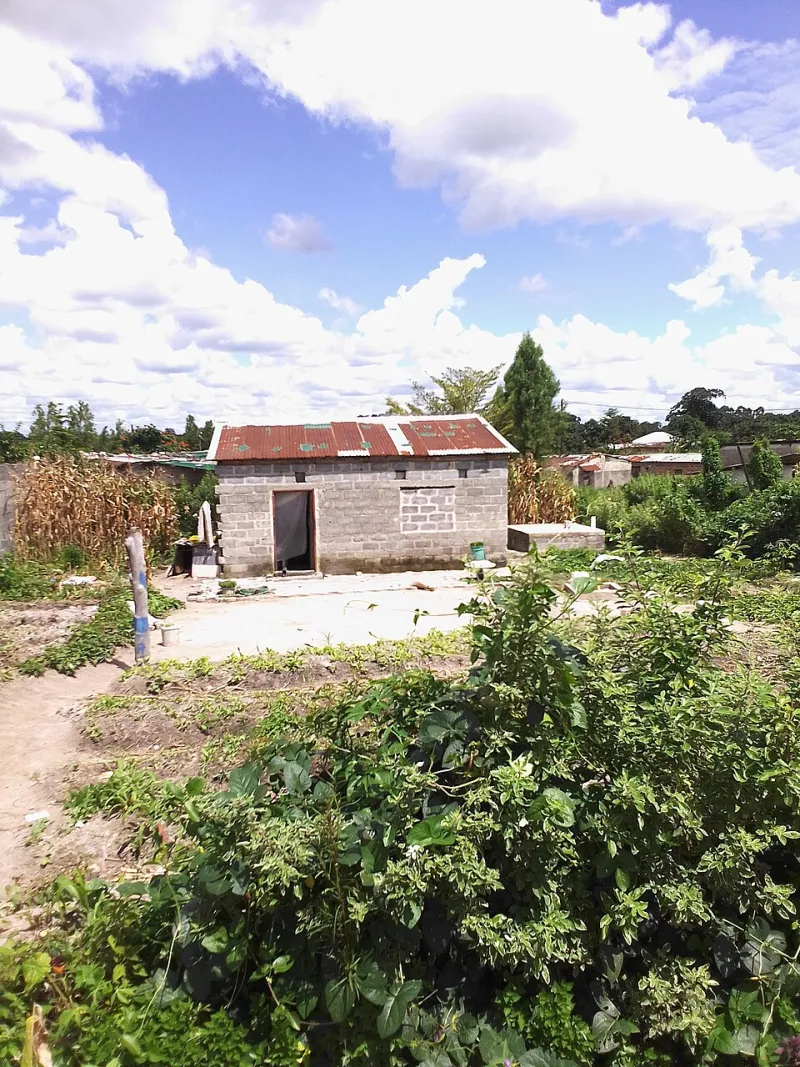
Photo: Olympian Xeus, CC BY-SA 4.0, via Wikimedia Commons
Cornfields and Champions: The Small-Town MMA Gyms Quietly Producing America's Next UFC Stars
The gym doesn't look like much from the outside. It's a converted warehouse on the edge of a small Midwestern town — population somewhere south of 15,000 — with a hand-painted sign, a gravel parking lot, and enough mats inside to train a small army. The heating system is unreliable. The equipment is a mix of donated gear and stuff ordered off the internet during a sale. The head coach drives a truck with 200,000 miles on it.
And two of the fighters who train here are ranked in the top 15 of their respective UFC weight classes.
This is the story that the combat sports world hasn't fully told yet. While the spotlight stays fixed on the big-name academies in Southern California, South Florida, and the Las Vegas corridor, something genuinely remarkable is happening in the places nobody's watching. Across small towns, mid-size cities, and rural communities from Montana to Mississippi, a grassroots MMA development pipeline is producing elite talent at a rate that's starting to turn heads inside the sport's biggest organizations.
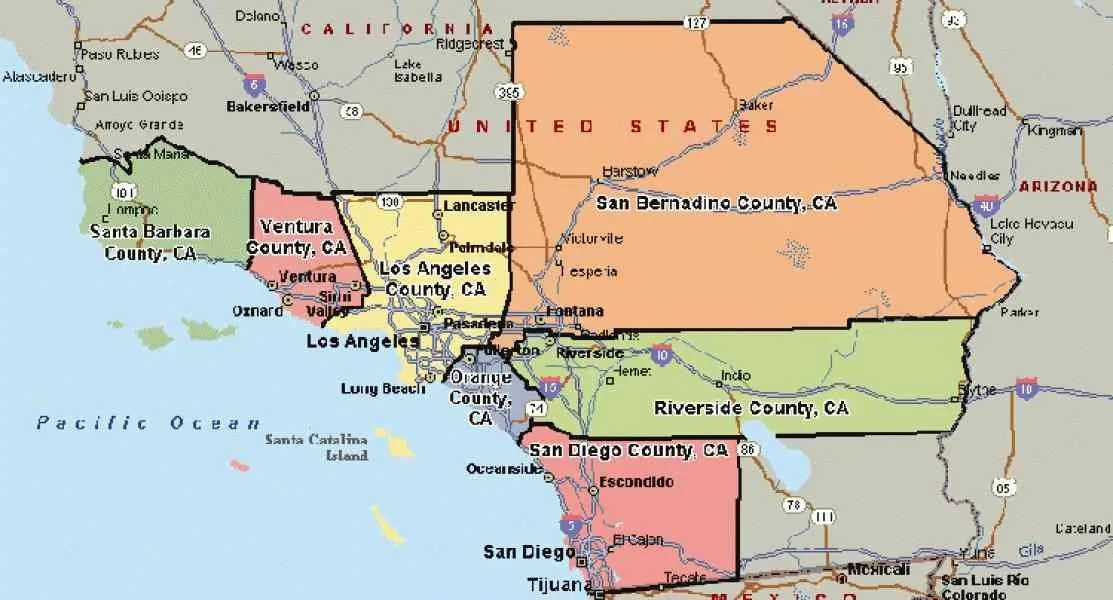 Photo: Southern California, via i.pinimg.com
The Old Pipeline Is Cracking
For most of MMA's history, the path to the UFC ran through a handful of well-known academies. You trained at one of the recognized powerhouses, you got access to elite sparring partners, you built a relationship with managers who had connections, and eventually the opportunity came. The system worked — for the people who could access it.
But accessing it meant moving. It meant relocating to a city where the cost of living was high and the competition for mat time was fierce. It meant leaving your family, your community, and the support structure that had gotten you this far. For a 22-year-old fighter from rural Ohio or western Kansas, the calculus was brutal. Chase the dream and leave everything behind, or stay home and wonder what might have been.
A new generation of coaches is rewriting that equation entirely.
The Coaches Building Something Real
The people running these small-town gyms aren't failed big-city coaches who washed out of the major programs. Many of them are former fighters themselves — guys who competed at regional and national levels, absorbed everything they could from the sport, and then made a deliberate choice to come home and build something.
What they're building isn't just a training facility. It's a complete athletic development environment that happens to be located in a place most combat sports scouts have never visited.
The coaching at these gyms tends to be intensely personalized. When your gym has 20 serious competitors instead of 200, every athlete gets real attention. The head coach knows each fighter's specific physical attributes, mental tendencies, and competitive weaknesses. There's no assembly line. There's no lost-in-the-crowd problem that plagues some of the larger academies where a mid-level prospect might go weeks without meaningful one-on-one coaching time.
The fighters who come out of these programs often describe their coaches with a specific kind of reverence — not the transactional respect you might have for a business partner, but the genuine gratitude you feel for someone who believed in you when the rest of the world wasn't paying attention.
What Small Towns Actually Offer
Here's something the conventional wisdom about elite athletic development gets wrong: the distractions and temptations of major metropolitan areas are genuinely damaging to young fighters trying to build the kind of disciplined lifestyle that elite competition demands.
Small-town training environments strip all of that away. There's no nightlife pulling at your schedule. There's no social media hustle competing for your mental energy. There's no local celebrity status inflating your ego before you've earned it. You wake up, you train, you eat right, you sleep, and you do it again.
The community aspect matters too. In a small town, a local fighter with legitimate prospects becomes a genuine source of community pride. The local business that sponsors the gym isn't doing it for marketing exposure — they're doing it because the head coach is their neighbor, and they believe in what he's building. That social fabric creates accountability in a way that's hard to manufacture in a big-city gym.
Fighters from these communities often talk about not wanting to let their town down. That's a motivational fuel source that doesn't show up in any training methodology book, but it's absolutely real.
The Talent Is Already There
One of the persistent myths about small-town athletic development is that the raw talent pool is simply too shallow to produce elite competitors. The reality is more complicated and considerably more exciting.
Many of the best small-town MMA prospects come from wrestling backgrounds — high school and college programs in rural states like Iowa, Pennsylvania, Oklahoma, and Nebraska that have historically produced disproportionate numbers of elite wrestlers. Wrestling is, in many ways, the perfect foundation for mixed martial arts. The takedown ability, the scrambling instincts, the pain tolerance, the mental toughness built through a sport that demands individual accountability in its purest form — all of it translates directly.
When a smart MMA coach gets his hands on a Division I or Division II wrestler from a small-town background who's willing to learn striking and submission grappling, the developmental ceiling is enormous. These aren't athletes who need to be taught how to compete under pressure. They've been doing it since they were teenagers in front of their entire community.
The Next Wave Is Coming
The UFC and other major MMA organizations are starting to notice. Regional scouts who cover mid-American fight circuits are reporting an uptick in genuine talent from non-traditional markets. Matchmakers who have been booking regional shows for 15 years are quietly flagging prospects from gyms they'd never heard of three years ago.
Social media has accelerated the process in ways that would have seemed impossible a decade ago. A 24-year-old fighter from a small gym in rural Tennessee can post training footage that reaches a global audience, attracts the attention of a promoter, and lands a developmental contract without ever having to relocate to Las Vegas. The gatekeeping infrastructure that used to make geography so decisive has been fundamentally disrupted.
The coaches building these programs aren't waiting for the sport to come to them anymore. They're building records, developing reputations, and putting fighters on regional cards that the right people are watching.
The Dream Is Being Built in Unexpected Places
Somewhere right now, in a converted warehouse or a church basement or a former auto shop that's been turned into a training facility, a 19-year-old with legitimate championship potential is learning how to throw a proper jab from a coach who's poured everything he has into building something real in a place that most people would overlook.
That fighter might not make the UFC for another three years. He might not be on anyone's radar outside of a three-county radius. But the foundation is being laid, the skills are being built, and the hunger — the specific, uncut hunger of an athlete with something to prove and everything to gain — is burning at a level that no amount of big-city resources can manufacture.
The next generation of American MMA champions isn't necessarily coming from where you expect. It's coming from the places that never stopped believing in the grind.