Before the Whistle Blows: How America Fell in Love With the Moments Before the Game Even Starts
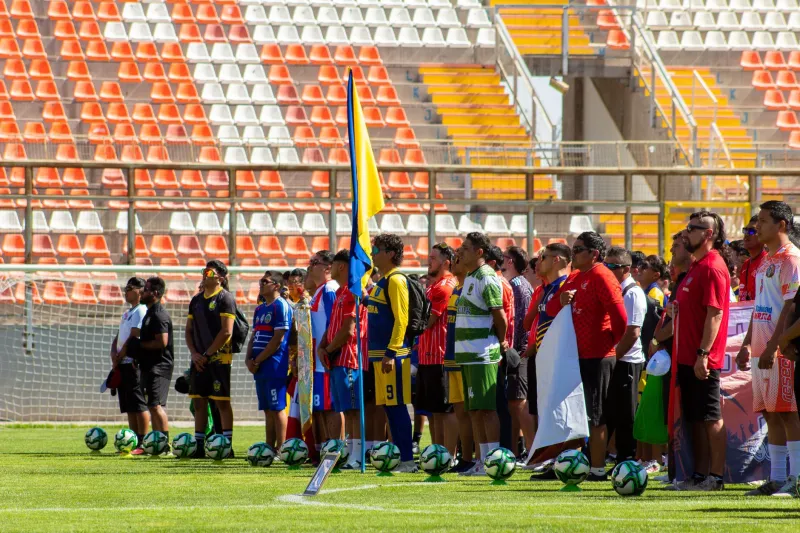
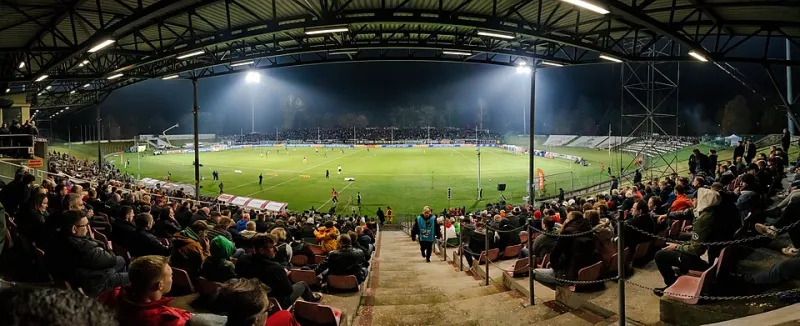
There's a specific kind of electricity that lives in the ninety seconds before a big game begins. The anthem singer is still holding the last note. Fifty thousand people are exhaling at the exact same time. Players are locked in their own private universes — bouncing on their heels, staring at the floor, mouthing words nobody else can hear. And somehow, impossibly, the whole stadium feels like it might just lift off the ground.
Nobody scores in those moments. Nobody wins or loses. But ask any true sports fan about the memories that live longest in their chest, and a huge number of them will describe something that happened before the opening play ever took place.
America didn't just stumble into this. The country built it, refined it, and turned it into something that rivals the games themselves.
The Anthem That Became a Stage
The national anthem has always been part of the American sports experience, but somewhere along the way it transformed from a formality into an event. Whitney Houston's performance at Super Bowl XXV in 1991 is still the gold standard — a version so powerful that it charted as a hit single and gets replayed every few years just because people need to feel it again. That moment proved something important: the pre-game window wasn't just preamble. It was prime time.
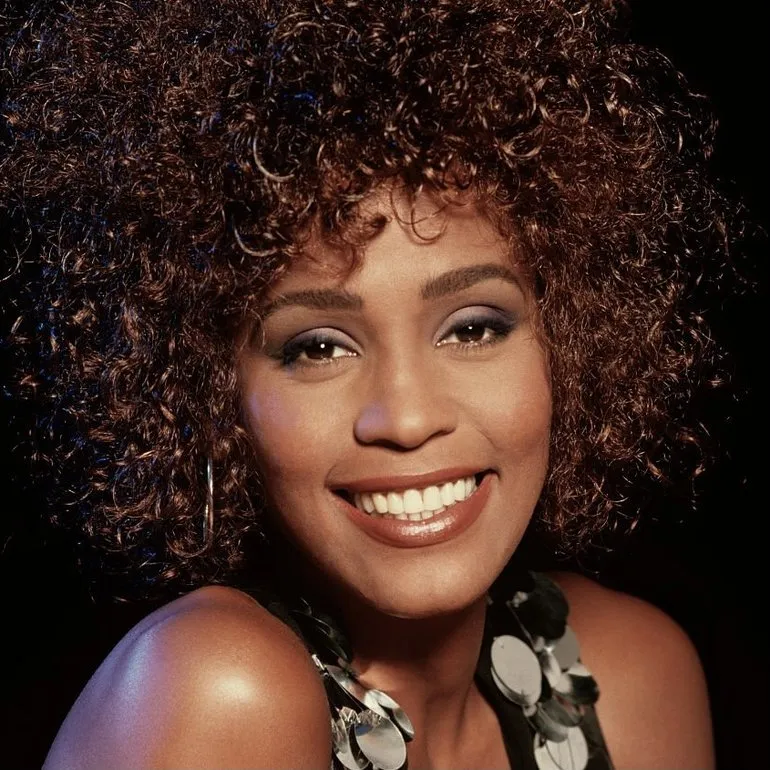 Photo: Whitney Houston, via lyricstranslate.com
Today, anthem performances at major sporting events are scrutinized, debated, and celebrated with the same energy as the games themselves. A singer who absolutely delivers gets a standing ovation before the coin toss. A shaky performance becomes national news by halftime. The anthem slot at the Super Bowl, the NBA Finals, or Game 7 of the World Series carries genuine weight — and the artists who earn those spots know exactly what's at stake.
Beyond the performance itself, the anthem has become a canvas for broader conversations about America. From peaceful gestures of protest to hands over hearts and military flyovers, the two-minute window before every major game carries more cultural freight than most halftime shows. That tension — between celebration and complexity — is part of what makes it so compelling.
The Player Tunnel: Sports' Greatest Catwalk
If the anthem is the emotional centerpiece, the player tunnel entrance is the spectacle. NFL stadiums have turned this into pure theater. Smoke machines, pyrotechnics, crowd noise engineered to peak at exactly the right second — the tunnel walk has become a full production.
The NBA took it even further. Arena entrances in the league have evolved into fashion moments, personality showcases, and fan engagement events rolled into one. Players arrive hours before tip-off knowing that their walkway outfit will be photographed, posted, and debated before the opening tip. The pre-game tunnel in an NBA arena on a big night is part red carpet, part battle march, and completely its own thing.
In baseball, the energy builds differently but just as powerfully. The lineup announcement before a playoff game at a packed stadium — names echoing through a ballpark that's been hosting baseball for decades — carries a weight that's hard to put into words. Wrigley Field. Fenway Park. Dodger Stadium. These places have histories that feel present in the air before the first pitch, and the crowd knows it.
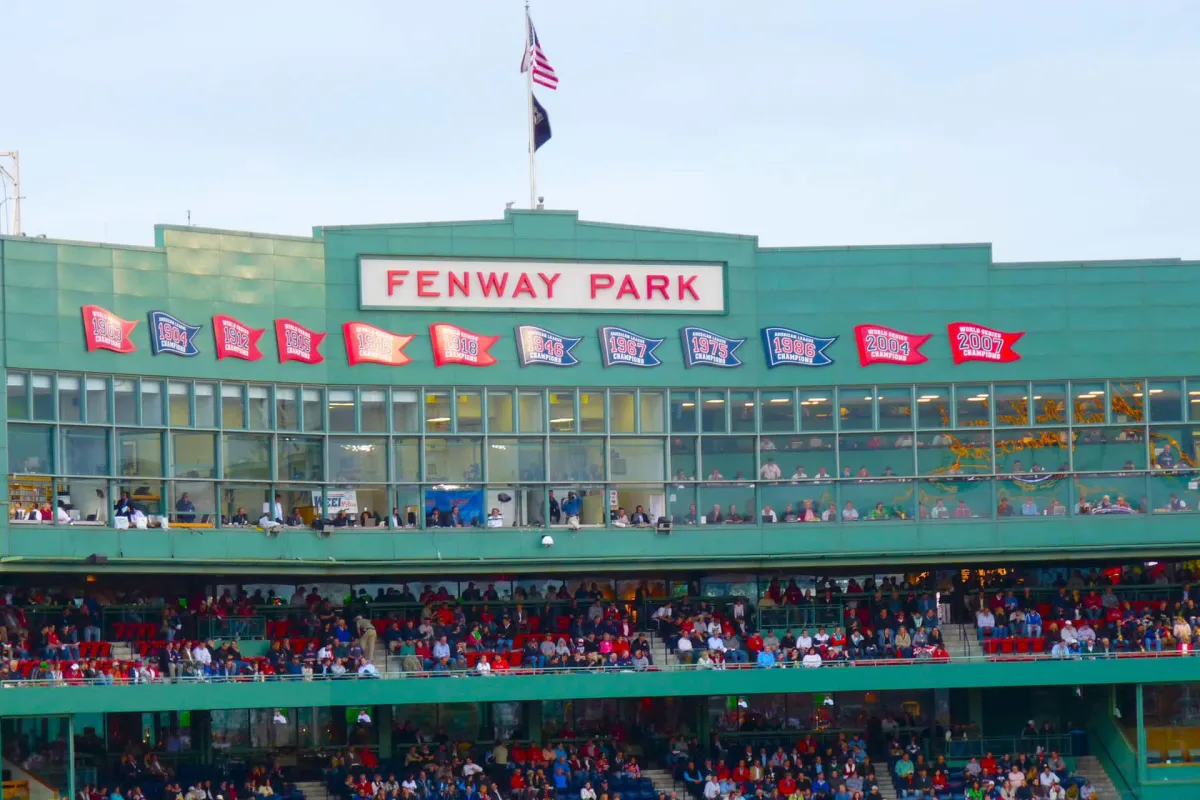 Photo: Fenway Park, via wallpapers.com
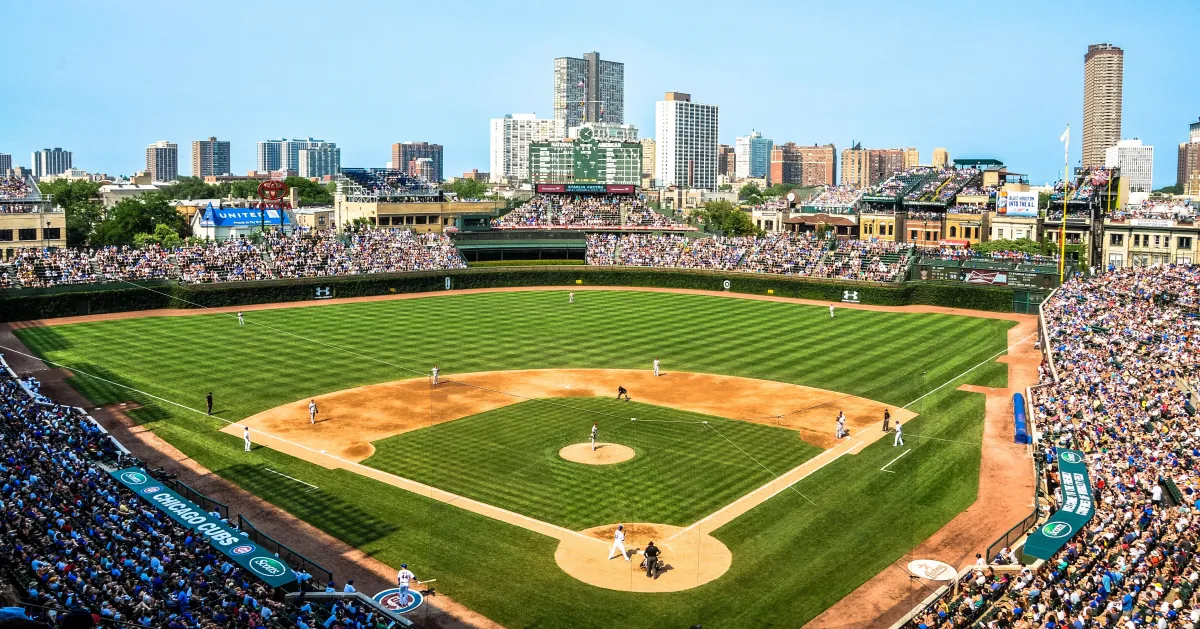 Photo: Wrigley Field, via i.pinimg.com
MLS and the Supporter Section Revolution
Major League Soccer quietly developed some of the most intense pre-game traditions in American sport. The supporter sections — the organized fan groups who stand, chant, and wave flags for ninety-plus minutes — begin their work long before kickoff. Tifo displays, where fans unfurl enormous hand-painted banners covering entire stadium sections, have become genuine works of art that take weeks to create and seconds to reveal.
The Portland Timbers' supporter culture. The atmosphere at Yankee Stadium for NYCFC. The noise that builds inside Q2 Stadium in Austin before a big match. These pre-game environments rival anything in European soccer and represent a distinctly American remix of the global game's fan traditions. MLS has given a new generation of sports fans rituals that feel earned and personal — and those rituals start well before the referee's first whistle.
Why the Pre-Game Hits Different
There's a psychological reason these moments land so hard. Before a game begins, everything is still possible. No lead has been built or surrendered. No hero has emerged and no villain has been created. The pre-game window is pure potential energy — and humans are wired to feel that kind of anticipation deeply.
Sports psychologists have talked for years about the power of ritual in athletic performance. But the ritual isn't just for the players. The crowd participates in something collective during those pre-game moments — a shared breath, a shared belief, a shared acknowledgment that what's about to happen matters. That participation is why the memories stick.
When the lights drop in an NBA arena before a playoff game and a single spotlight hits the court, the crowd doesn't cheer because something exciting happened. They cheer because something exciting is about to happen. That distinction is everything.
The Moments We Keep Coming Back To
Ask fans about their favorite sports memories and the pre-game moments show up more often than people expect. The military appreciation ceremonies that bring stadiums to silence. The surprise anthem singer who nobody saw coming. The moment a returning player walks out of the tunnel for the first time after a long injury and the crowd loses its mind before he's taken a single step onto the court.
These aren't accidents. They're the result of decades of American sports culture figuring out how to make every layer of the event feel meaningful. The game matters enormously. But the ritual that surrounds it — the build, the ceremony, the collective exhale — has become just as essential to the experience.
America loves its sports. But it turns out America might love the feeling of sports just as much. And that feeling? It starts long before the opening play.