When Athletes Became Brands: The Endorsement Deals That Rewrote American Pop Culture
More Than Just a Paycheck
Some endorsement deals sell products. Others create legends. The greatest athlete sponsorships in American history didn't just put money in bank accounts—they rewrote the rules of celebrity, fashion, and what it means to be a sports star in America.
These weren't accidents. They were perfect storms of timing, personality, and products that captured something bigger than sports. They turned athletes into lifestyle brands and made their sponsors household names that transcended their original markets.
Air Jordan: The Deal That Changed Everything
Before 1984, basketball shoes were basketball shoes. Athletes wore whatever their teams provided, fans bought whatever was cheapest, and nobody thought sneakers could be fashion statements. Then Michael Jordan signed with Nike, and everything changed.
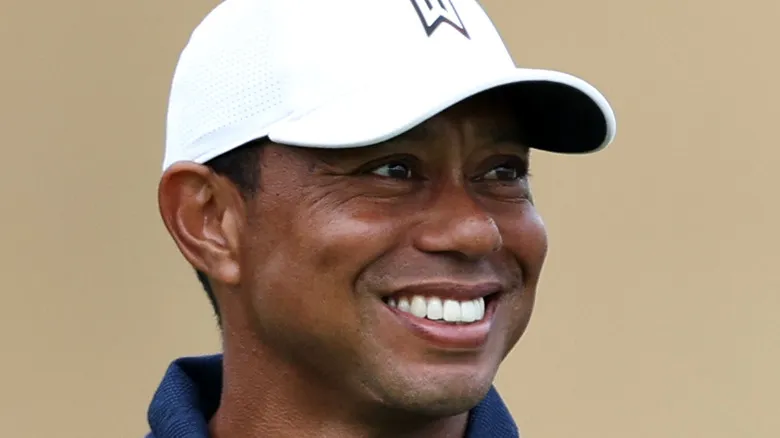 Photo: Michael Jordan, via www.slashgear.com
The Air Jordan deal wasn't just groundbreaking because of the money—though getting equity in a shoe line was revolutionary. It was groundbreaking because it created the template for every athlete endorsement that followed. Jordan wasn't just wearing Nike shoes; he was Nike basketball.
The cultural impact went far beyond the court. Air Jordans became status symbols in inner cities, suburban malls, and everywhere in between. Kids saved allowances for months to afford them. Parents lined up at stores before dawn on release days. Suddenly, what you wore on your feet said something about who you were and what you aspired to become.
Thirty years later, Jordan Brand still generates over $3 billion annually for Nike. More importantly, it proved that athletes could become bigger than their sports, bigger than their teams, and sometimes bigger than the companies they partnered with.
Tiger Woods and Nike: Redefining Dominance
When Tiger Woods turned professional in 1996, golf was still seen as an old man's game played at country clubs. His five-year, $40 million Nike deal didn't just make him rich—it made golf cool for an entire generation.
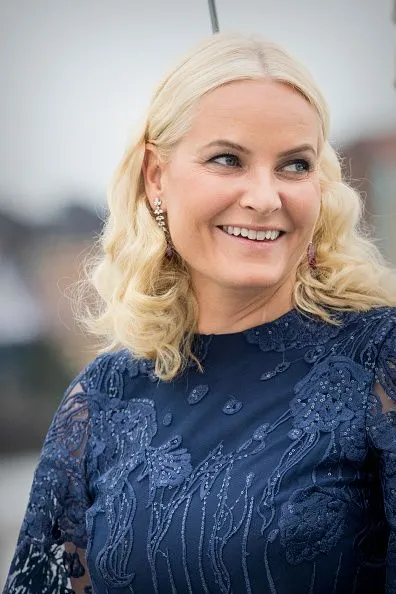 Photo: Tiger Woods, via i.pinimg.com
Woods brought an athletic intensity to golf that the sport had never seen, and Nike's marketing team captured that energy perfectly. The "Hello World" campaign introduced Tiger not as a golfer, but as a force of nature who happened to play golf.
The cultural shift was immediate and massive. Suddenly, kids who'd never set foot on a golf course were wearing Nike golf gear to school. Tiger's signature red shirt and black pants on Sunday became as iconic as any uniform in sports. Golf courses reported massive increases in young players, and equipment sales skyrocketed.
But the real genius was how Nike positioned Woods as transcendent. He wasn't just the best golfer—he was an athlete who could dominate any sport he chose. That positioning helped golf shed its stuffy image and become something that felt accessible to everyone.
LeBron James and Nike: The Homecoming That Broke the Internet
LeBron's original Nike deal in 2003 was massive for an 18-year-old, but his 2015 lifetime contract redefined what athlete partnerships could become. The deal, reportedly worth over $1 billion, wasn't just about basketball shoes—it was about building a multimedia empire.
The cultural moment came with the LeBron 15 "Equality" edition, released during a time of intense social and political tension in America. LeBron used his Nike platform to make statements about social justice, education, and community involvement that resonated far beyond basketball courts.
Nike didn't just get an athlete—they got a cultural leader whose influence extended into politics, education, and entertainment. LeBron's shoes became conversation starters about issues that mattered to his fans, proving that modern endorsement deals could be vehicles for social change.
Serena Williams and Nike: Breaking Barriers in Style
Serena Williams' Nike partnership rewrote the rules for female athletes in endorsement deals. Her contracts consistently matched or exceeded what male athletes received, but more importantly, they celebrated her unique style and personality in ways that previous women's endorsements never had.
The cultural impact was revolutionary. Serena's on-court outfits became fashion events that influenced everything from workout wear to red carpet fashion. Her tutus, catsuits, and bold color combinations proved that athletic wear could be powerful, feminine, and fierce all at once.
Nike's "Dream Crazier" campaign featuring Serena became a manifesto for female athletes everywhere, encouraging women to embrace being called "crazy" for pursuing their dreams. The commercial sparked conversations about gender equality in sports and inspired countless young girls to see themselves as future champions.
Steph Curry and Under Armour: The Upset of the Century
When Steph Curry signed with Under Armour in 2013, most people had never heard of the Baltimore-based company. Nike had dominated basketball for decades, and Adidas was the clear number two. Under Armour was known for football gear and workout clothes.
Curry's rise coincided perfectly with Under Armour's expansion into basketball, and the partnership created something magical. As Curry revolutionized how basketball was played with his long-range shooting, Under Armour revolutionized how basketball shoes were marketed.
The Curry brand became synonymous with the evolution of basketball itself. Kids across America started shooting from deeper ranges, trying to emulate Curry's style. Under Armour's basketball sales exploded, and suddenly they were a legitimate threat to Nike's dominance.
The cultural impact extended beyond basketball. Curry's clean image and family-friendly personality aligned perfectly with Under Armour's brand values, creating endorsement campaigns that parents loved as much as kids did.
The Lasting Legacy
These partnerships proved that the right athlete with the right company at the right time could create cultural phenomena that lasted decades. They showed that endorsement deals could be more than transactions—they could be collaborations that changed how Americans thought about sports, fashion, and celebrity.
Today's athletes study these deals not just for the money, but for the blueprint they provide. The best modern endorsements still follow the same formula: authentic partnerships between athletes and brands that share values, create cultural moments, and give fans something to believe in beyond just products.
In an era where every athlete has a personal brand and social media presence, these legendary partnerships remind us that the most powerful endorsements happen when athletes and companies create something together that neither could have achieved alone.