Pressure Is a Skill: The Championship Teams That Learned to Love the Moment
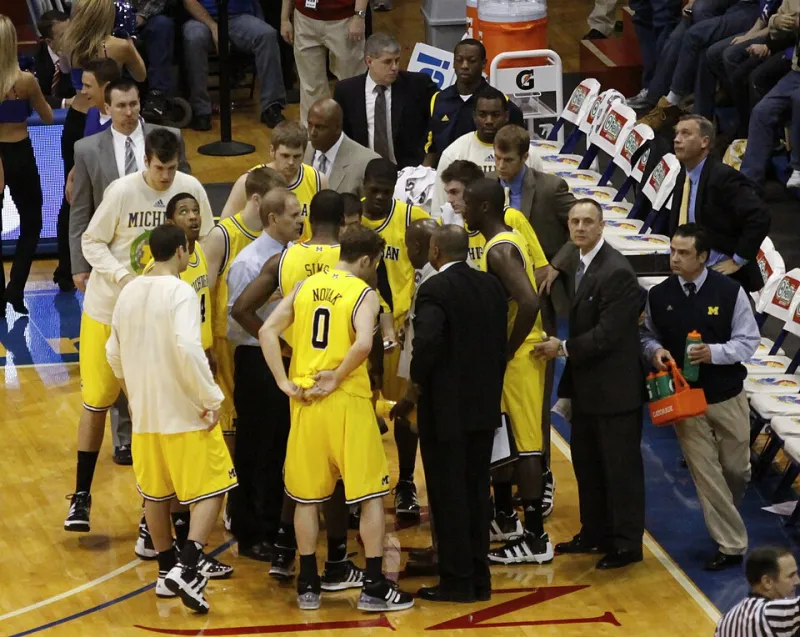
Photo: flickr user rrescot, CC BY 2.0, via Wikimedia Commons
Every fan has seen it. Fourth quarter, two points down, thirty seconds left. One team looks like they've done this a thousand times. The other looks like they're standing on a train track watching the headlights get bigger. We call the first group clutch. We call the second group losers. But what if neither label is actually telling the whole story?
Sports psychology has been quietly dismantling the myth of the "clutch gene" for years. The idea that certain players are simply wired to thrive under pressure — born with some biological advantage that kicks in when the stakes get highest — doesn't hold up when researchers start pulling the data apart. What does hold up, though, is something far more interesting: the idea that performing under pressure is a learned behavior, and that the best organizations in American sports have basically reverse-engineered the whole thing.
The Myth That Coaches Love to Sell
Let's be honest — the clutch narrative is great for business. It sells jerseys. It fills highlight reels. It gives commentators something poetic to say when a player nails a game-winner. But behind the scenes, the coaches and front offices that consistently build winning programs are operating on a very different philosophy.
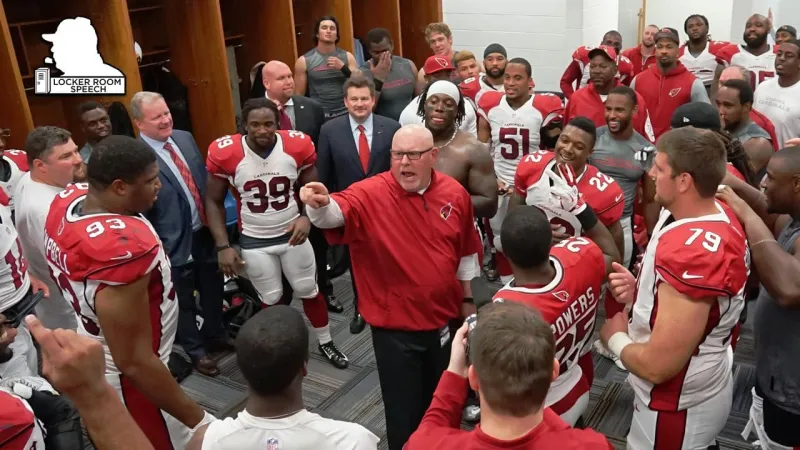
The real secret isn't finding players with ice in their veins. It's creating environments where high-pressure situations feel familiar rather than foreign. When something feels familiar, the brain doesn't panic. And when the brain doesn't panic, the body does what it was trained to do.
Think about how the San Antonio Spurs operated during their dynasty years under Gregg Popovich. Practice sessions were famously intense — not just physically, but situationally. The team ran late-game scenarios over and over, simulating the exact conditions of a tied game with thirty seconds left. By the time those moments showed up in the playoffs, the players weren't experiencing something new. They were executing something rehearsed.
Practice Like the Lights Are Already On
Sports scientists call it "pressure inoculation" — deliberately introducing stress into training environments so that athletes develop tolerance to it over time. Think of it like a vaccine. A small, controlled dose of the thing that scares you, repeated often enough, teaches your nervous system to stop treating it as a threat.
The Golden State Warriors during their championship runs were famous for this approach. Practices weren't casual run-throughs. Coaches introduced noise, distraction, and consequence into drills. Players were put in uncomfortable spots on purpose, then debriefed afterward about how they responded. It wasn't just physical conditioning — it was psychological conditioning with a very specific goal.
The NFL has picked up on this too. Teams like the Kansas City Chiefs under Andy Reid are known for scripting their first fifteen plays of each game — not because they expect every play to work exactly as drawn up, but because having a script creates calm. Decisions are already made. The cognitive load drops. When chaos shows up, which it always does, players aren't starting from zero.
The Role of Trust in Tight Moments
Here's something that doesn't get talked about enough: a lot of what looks like individual clutchness is actually collective trust. When a point guard drives the lane in the final seconds, the reason he looks calm isn't because he's fearless. It's because he trusts his teammates to be where they're supposed to be, and he trusts his coaches to have put him in a position to succeed.
Break that trust — through bad roster decisions, poor communication, or inconsistent game management — and the whole thing falls apart. You've seen it happen. A talented team with no chemistry, completely unraveling when the game gets tight. That's not a talent problem. That's a systems problem.
The Boston Celtics' recent resurgence is a case study in this. After years of underperforming in clutch moments despite having elite individual talent, the organization rebuilt its culture around accountability and shared decision-making. The result wasn't just better late-game execution — it was a team that visibly wanted the ball in big moments rather than shying away from it.
Game Management as a Competitive Weapon
Coaches who consistently win close games aren't necessarily smarter than everyone else. But they are more deliberate about how they manage the final minutes of a contest. Timeout usage, foul strategy, offensive set selection — all of it gets stress-tested in preparation, not improvised on the fly.
Nick Saban's Alabama football program became the gold standard for this kind of preparation. His teams weren't just physically dominant — they were procedurally dominant. Every situation had a rehearsed response. When the game got tight, Alabama didn't slow down. They sped up, because they'd already been there a hundred times in practice.
In the NBA, coaches like Erik Spoelstra in Miami have built reputations for their ability to draw up effective plays out of timeouts. That's not magic. That's a library of practiced actions that players can execute under stress because they've already done them when the pressure was lower.
So What Does This Mean for Fans?
Next time your team blows a fourth-quarter lead, resist the urge to blame the players for not being clutch enough. Ask a different question: Does this organization practice pressure situations? Does this coaching staff have a clear late-game system? Is there trust in that locker room?
The teams that consistently perform when it matters most aren't lucky. They're not genetically gifted with nerves of steel. They've simply done the work that most people never see — the repetitive, unglamorous, psychologically demanding work of learning to be comfortable when everyone else is losing their mind.
Clutch isn't a gene. It's a habit. And habits, as any good coach will tell you, are built long before the lights come on.